|
|
|
|


|
Page 8
|
 |
|
|
||||||||||
|
|
||||||||||
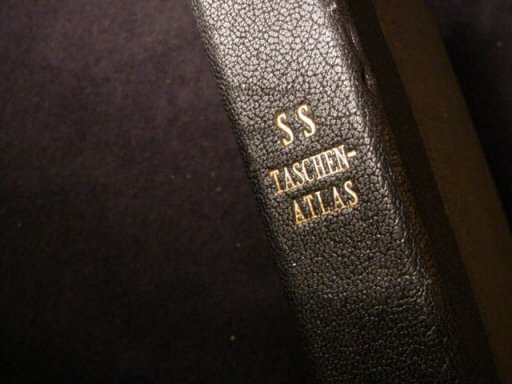
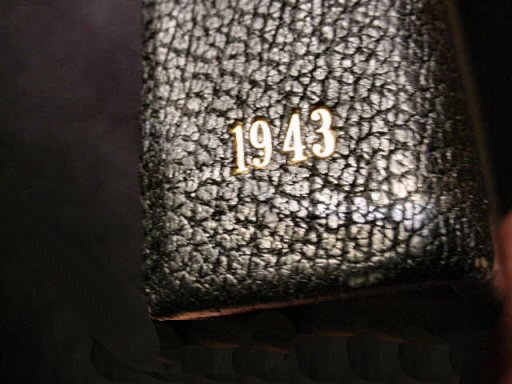
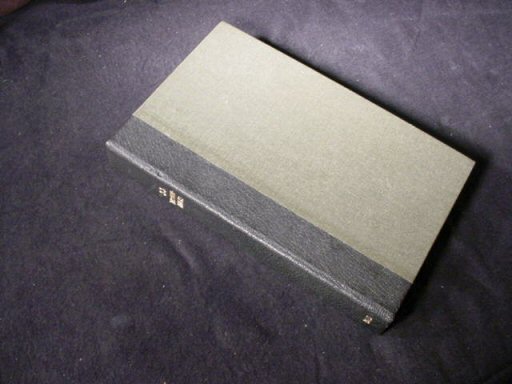
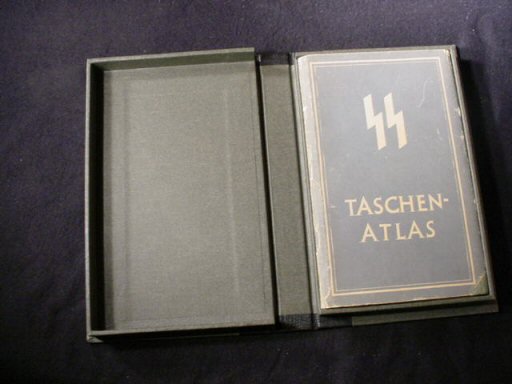
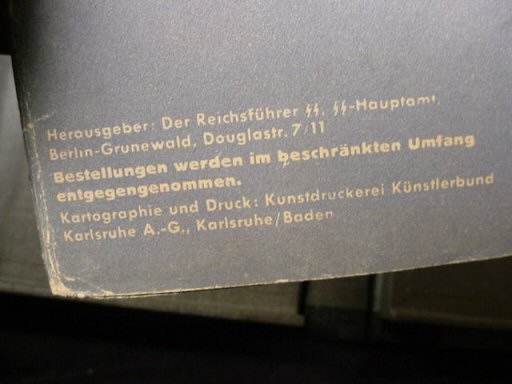
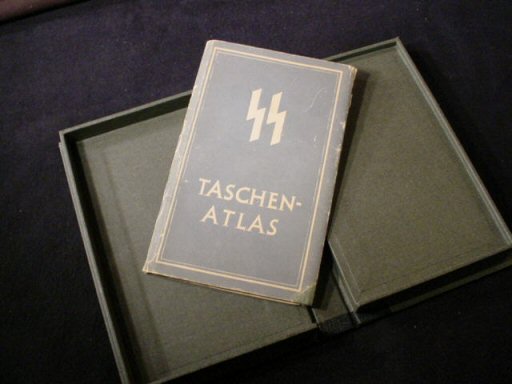
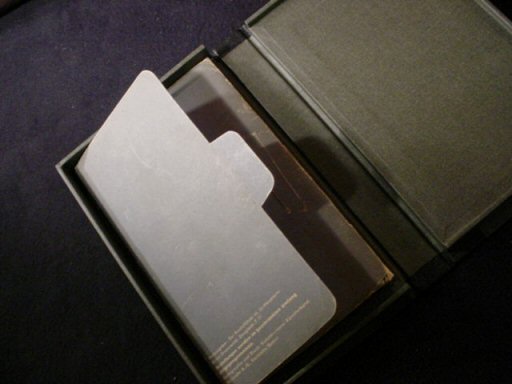
| DESCRIPTION: Here is a neat, I repeat, neat, little SS Taschenatlas (pocket atlas). This is the literal translation, but this particular one wouldn’t fit in my pocket. It’s constructed beautifully and resembles a book with book-style spine and cover, but when the cover is lifted a box-style opening is revealed and here reposes a paper-bound world atlas with various colorful foldout maps of all the world’s continents and principalities as they looked in 1943. The hard covers make it a really secure repository for the atlas. On its back cover it clearly says “Published by the Reichsführer-SS at the SS Headquarters Berlin-Grunewald, Douglastr. 7-11.” The size of the booklike outer box is 6 x 9 1/2 inches. The atlas itself is 8 1/4 x 5 1/2 inches. The condition is near mint on the outside box. The atlas shows legitimate wear, but is still in very good shape.
PRICE: SOLD |



|
|||||||||
|
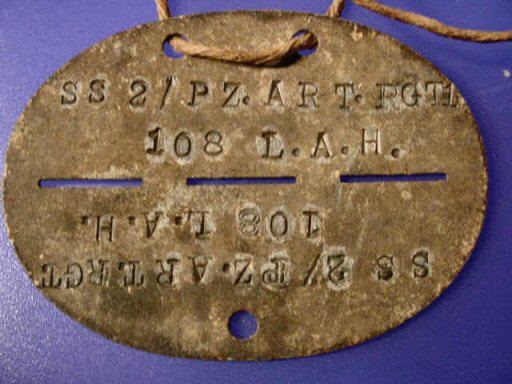
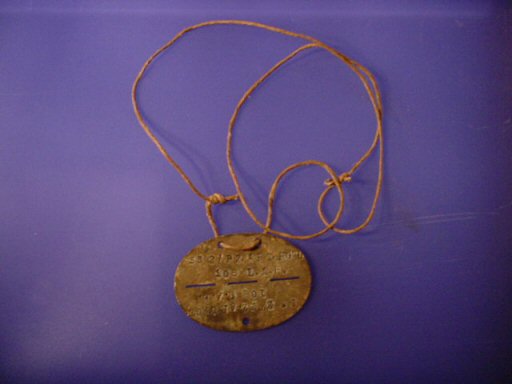
Waffen-SS LAH ID Disc (Item WAF 8-2) |
|||||||||
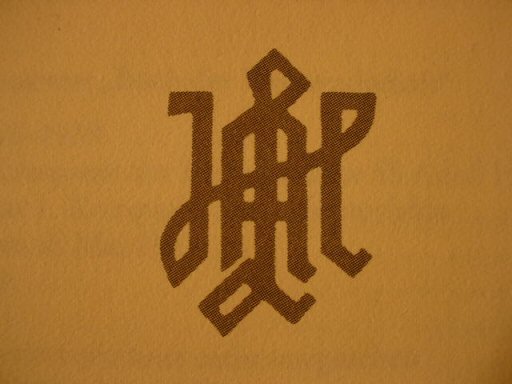
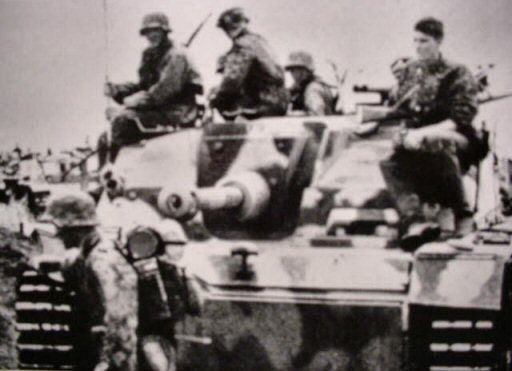
| DESCRIPTION: This is a 2/PZ. ART. RGT1 disc marked also (108 L.A.H.). As near as we can figure out was that the Second Panzer Division under General Guderion also included units of the Leibstandarte-SS Adolf Hitler Division commanded by Sepp Dietrich. The disc was found in Russia and should be bought and kept as a memory of the brave elite soldier who wore it.
PRICE: SOLD |

|
||||||||||
|
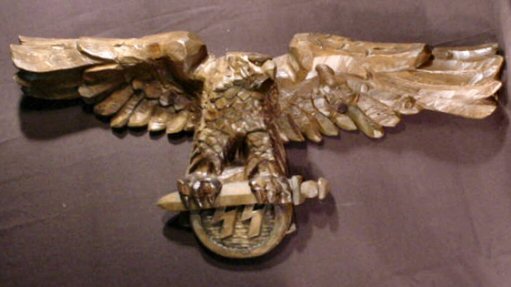
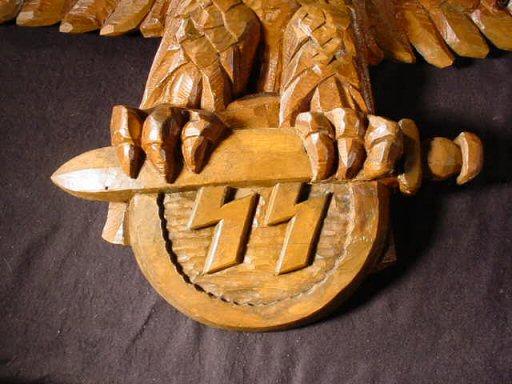
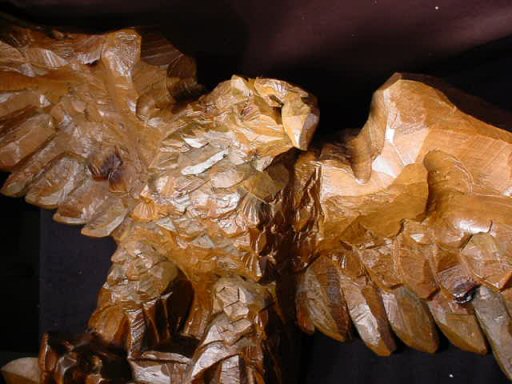
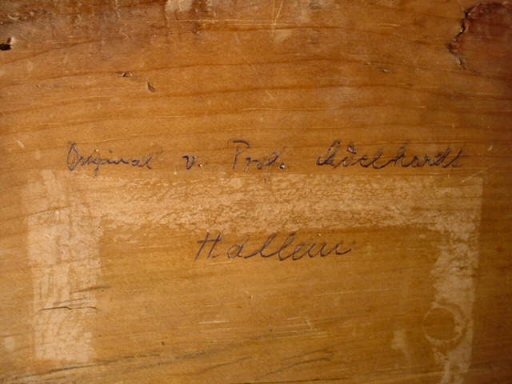
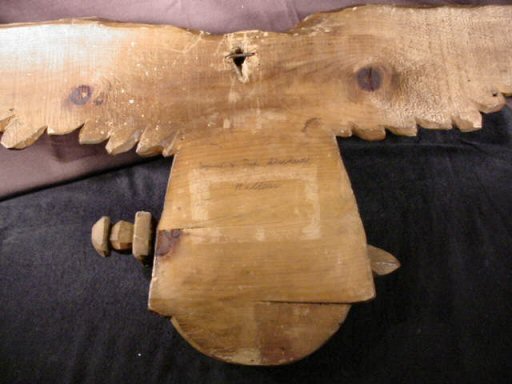
Berlin Lichterfelde Carved SS-LAH Eagle (Item WAF 8-3) |
||||||||||
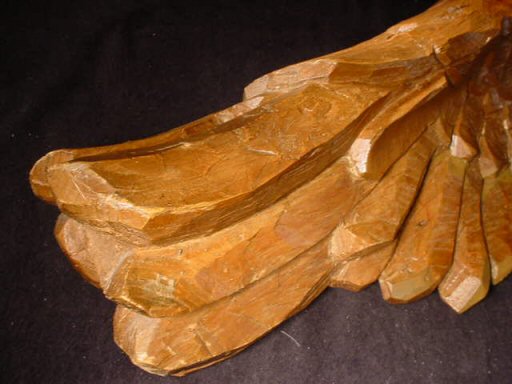
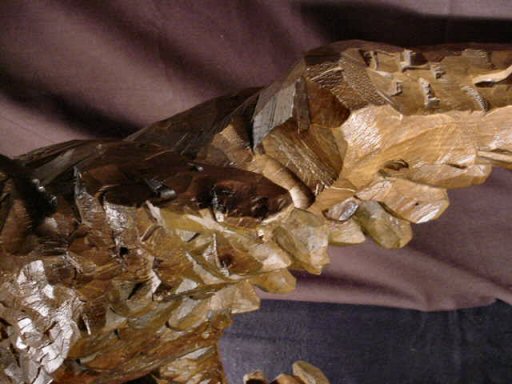
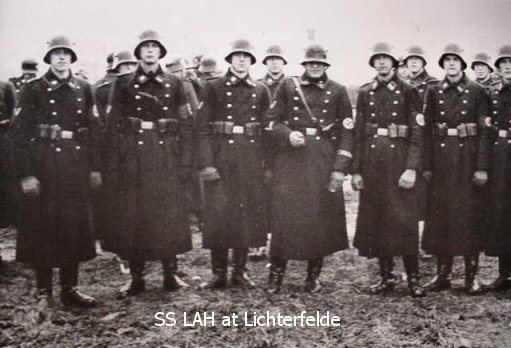
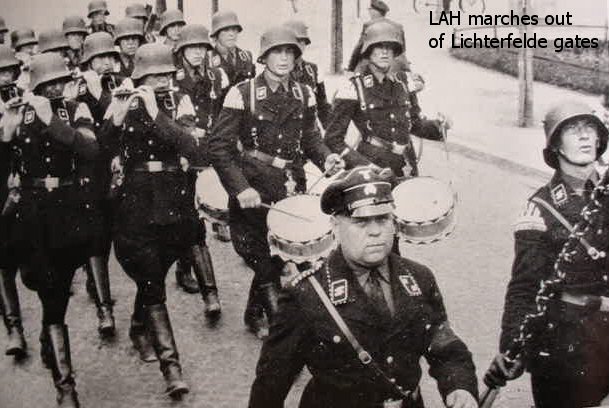
| DESCRIPTION: This is a grand hand-carved wooden sculpture of an eagle superimposed over the runes of the SS. It hung over one of the inner doorways of the Waffen-SS (LAH) Leibstandarte-SS Adolf Hitler headquarters. This was an introduction room where new recruits were first indoctrinated into these elite formations. The reason (we are told) for the SS runes to be partially hidden by the sword is that the eagle, Deutsches Adler now brings the Teutonic sword to the halls of the Praetorian guard, the LAH. The eagle sets the sword upon the symbol sacred to the men of this famed fighting outfit, who up to the time of war was simply a home guard. Now they would be their country’s proudest and best fighters in the war to preserve Europe from the evils of Bolshevism. The piece is Germanic art in its most militant form; realistic yet surrealistic at the same time. It’s original and was found at the LAH headquarters at Berlin Lichterfelde when the buildings were occupied by the U.S. Army (and summarily looted). The base became known as “Andrews Barracks” and many great items were immediately snatched, mostly by officers, like the one we were able to buy this eagle from. He found it in an anteroom on the second floor securely locked, but opened by a GI who was a former locksmith. The eagle has a wingspan of 33 inches and from the top of his head to the bottom of the SS wreath it measures 14 inches. The condition is wonderful with a very few small nicks here and there. This is a magnificent trophy of war from the most courageous elite fighting force the world has yet seen.
PRICE: SOLD |

|
||||||||
|
SS Arm Eagle (Item WAF 8-5) |
||||||||
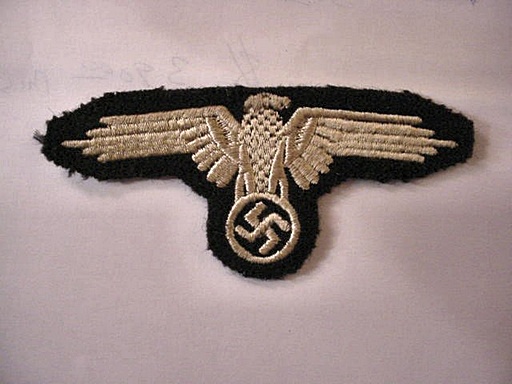
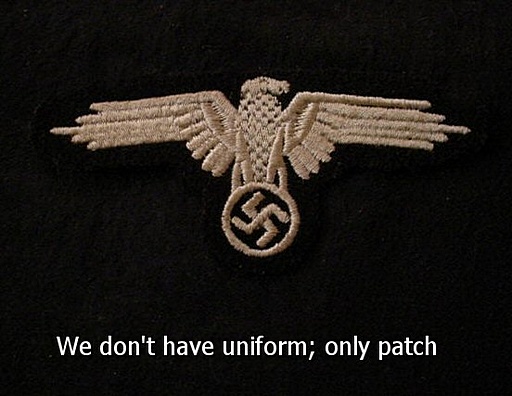
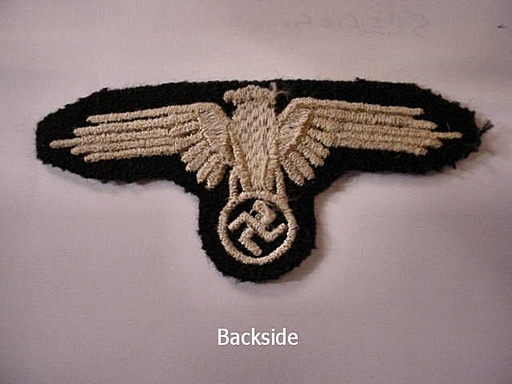
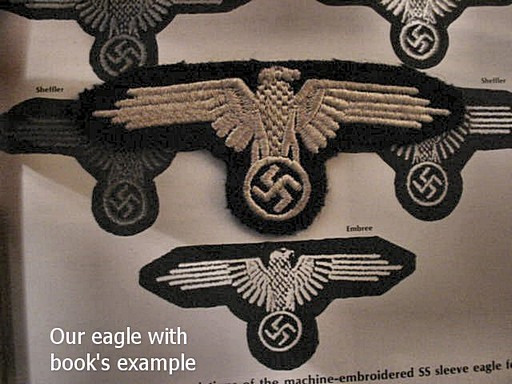
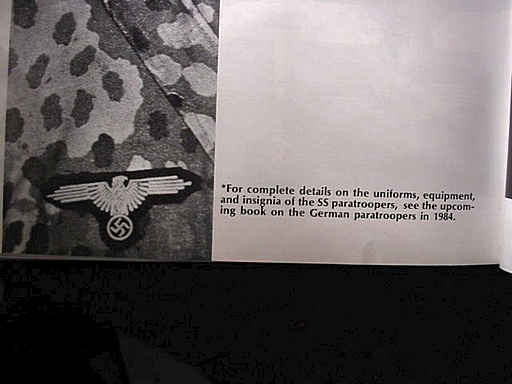
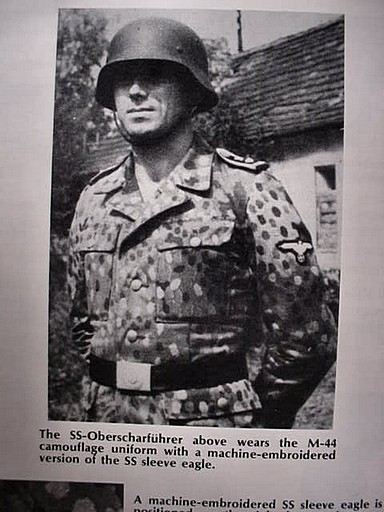
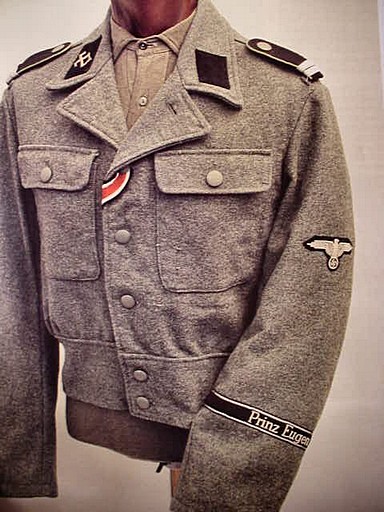
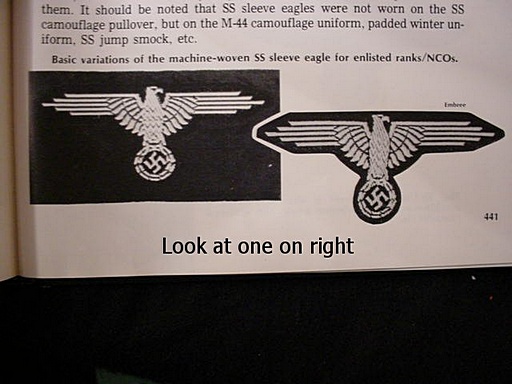
| DESCRIPTION: This is a 100-percent genuine Waffen-SS sleeve eagle in wool felt (embroidered). These are getting very scarce. The condition is excellent. This is a Type I Eagle (machine woven) as shown on pages 439 and 440 of John R. Angola's book Cloth Insignia of the SS. Especially note the picture of the camouflage SS paratrooper jump smock. This style eagle began to appear in 1939, but was actually worn throughout the war. It later was officially replaced with a Bevo production that had finer detail, but the Type I still remained popular and was allowed to still be used.
PRICE: SOLD |

|
|||||
|
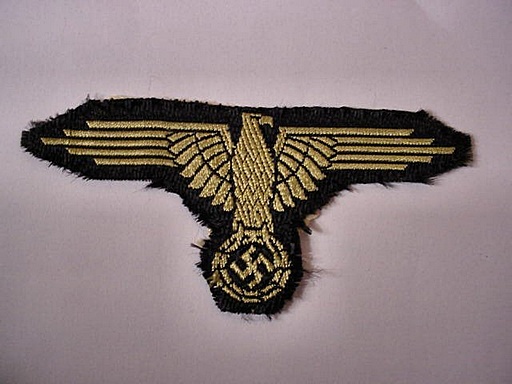
SS Arm Eagle (Item WAF 8-6) |
|||||
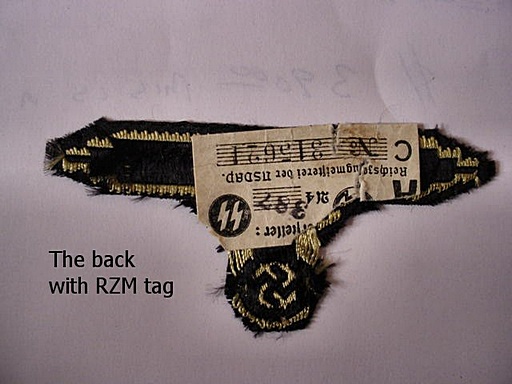
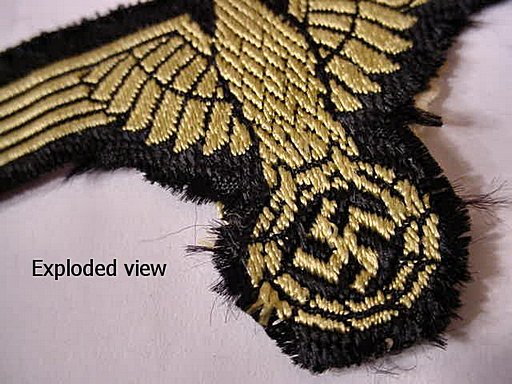
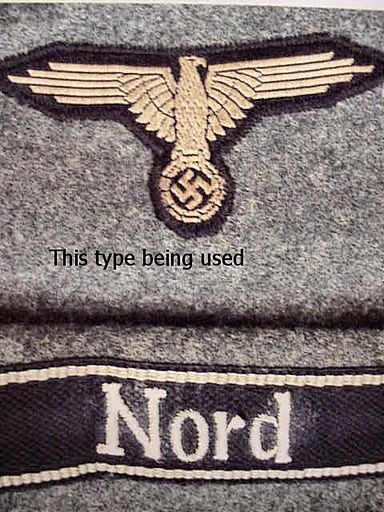
| DESCRIPTION: This is also a 100-percent original Waffen-SS arm eagle. This is the one by the Bevo firm in Wuppertal. This was in 1944 and unlike the Type I, it was machine woven flat with aluminum thread. This one has a rather light-tan coloration and might be the type designed for SS tropical clothing and for camouflage uniforms. Even as late in the war as this, examples like this are found with RZM tags on the back since the companies that produced them were still under the regulations promulgated under these laws. The condition of this one is as you see it in the images. It was cut out of the rectangular patch that they were issued in and actually sewn to a uniform then removed from the then-discarded uniform by a GI, so it is in used condition, but still proud and sharp. Something about these insignia of the SS attracts Germanophiles worldwide. Here is a prime example of its species.
PRICE: $390.00; this is a bargain! |
|
|||||||||
|
|||||||||
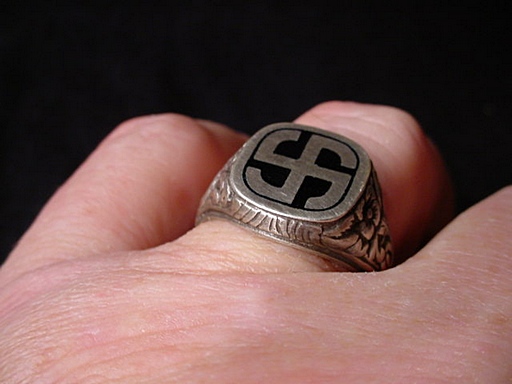
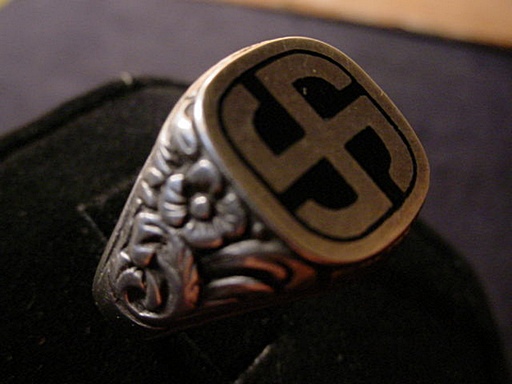
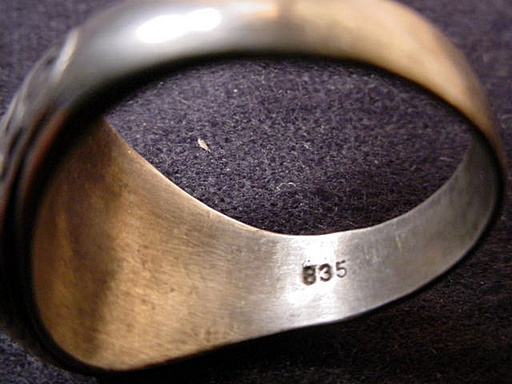
| DESCRIPTION: This is one of the most beautiful rings produced. See About Our Rings and Silver Insignia. There were many contracts with companies that supplied various items to Waffen-SS and Allgemeine-SS units. This ring was just one of the pieces of jewelry produced. The ring bears the bent-arm (Sonnerad) swastika used by the Fifth SS Panzer Division Viking. That was for the most part made up of foreign volunteers from the Nordic countries. A Scandinavian volunteer regiment was pulled out of line to be used as the basis for a new division. The name of the division was to be “Nordland” made up at first with Norwegians and Danes, but later although Nordland carried the widest range of nationalities found in a single division, by the end of the war they had Danish, Hungarian, Dutch, Norwegian, Estonian, Finnish, French, Romanian, Spanish, Swedish, and even British volunteers. They either served in the division or had been attached to it. They fought valiantly against the red bastards known as Josef Tito's partisans; then from Leningrad to Narva, later East Prussia and Pomerania. They were major participants in fighting the red serpents in the Battle of Berlin on May 2, 1945. The commandant of the Defense Area Berlin gave the official order to end hostilities and 80,000 or so prisoners of war were marched east; most SS men, loyal to their oath, to their nation, and Führer, had either fought to the death or taken their own lives, a popular option considering the rumors circulating. Most of them would dare not perceive a world without National Socialism. Of the few brave man who reached the allied lines most were handed over to their respective countries and the leftists that were now in power and were tried as traitors by the real traitors, some serving prison time and some even receiving the death penalty. So ended the struggle of these million idealistic young Europeans to create an Imperium of the western world and crush international communism. The ring can be sort of a memorial to their bravery and ideals. It is truly a beautiful piece of jewelry in classical design. The original Sonnerad (sun symbol) swastika used by the Viking division was basically the same design except the arms did not curve back at the ends. This Nordland design is somewhat different. However, they also continued with the original Viking design except with the ring. You can note the curve-back at the hands of the curves. The shank of the ring is typical with designs reminiscent of the Nordic flower that is used in northern architecture and even in national costumes. The ring is struck in a ‘835’ silver and is so marked inside. This is a very handsome ring, and of course very historically important to the saga of the Waffen-SS. Wenn alle untreu warden, so bleiben treu doch wir!
PRICE: $1,600.00 |


|
|||||||||
|
|||||||||
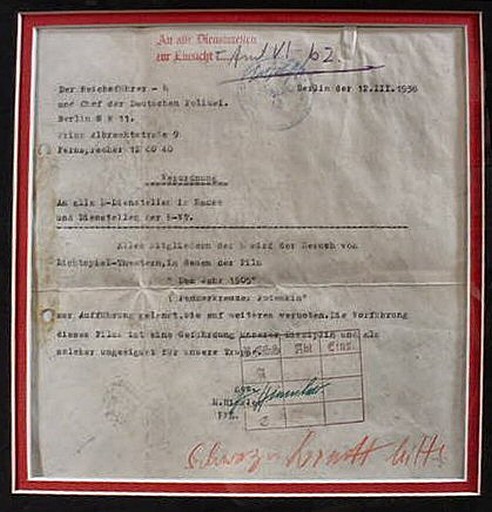
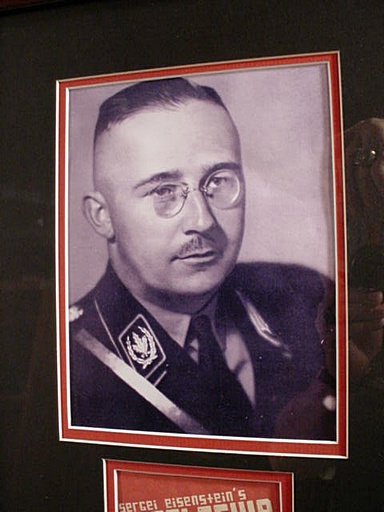
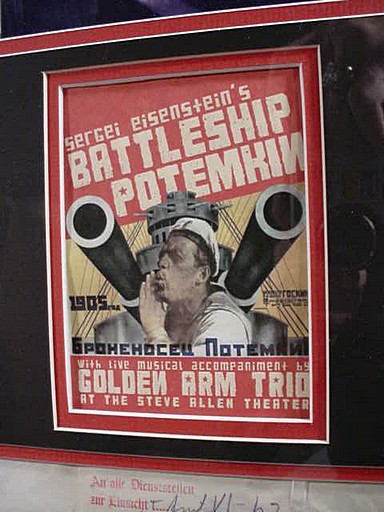
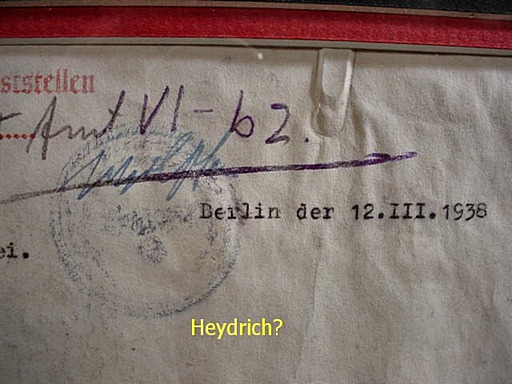
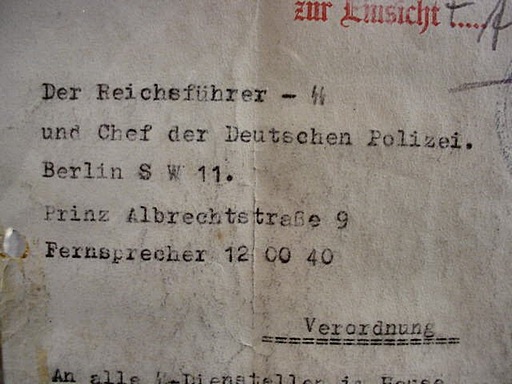
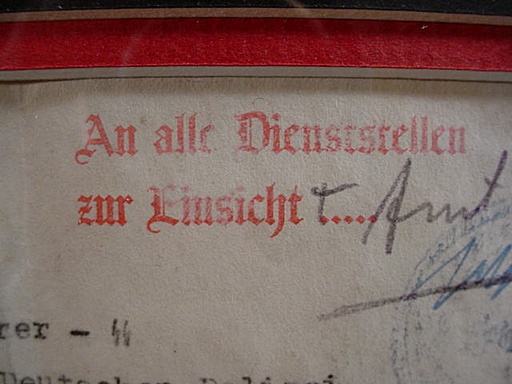
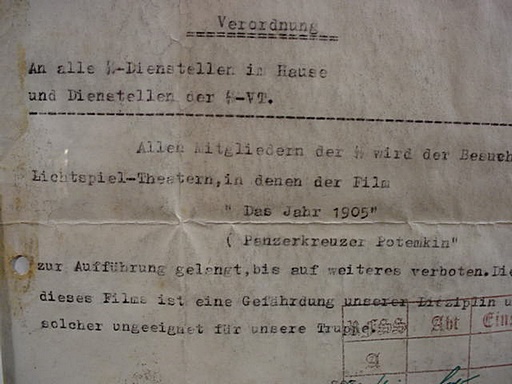
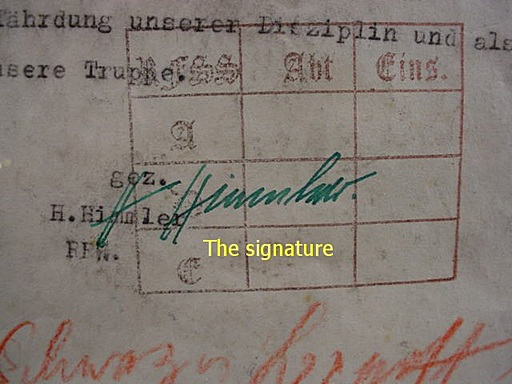
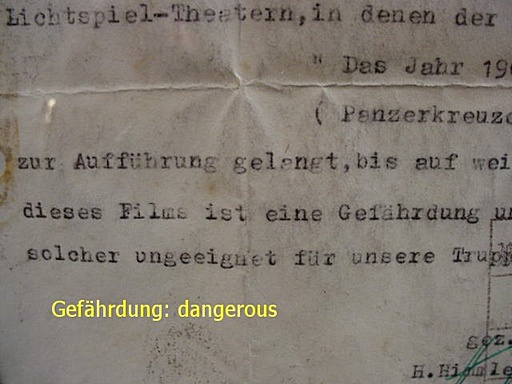
| DESCRIPTION: This is possibly one of the most interesting Himmler orders we have ever seen. It basically is an order to the general SS both Allgemeine and V.T. (Waffen-SS). It mandates that members of the SS should not attend the showing of “Battleship Potemkin” being presented at the Lichtspiel Theatre ostensibly because the film is derogatory and dangerous for viewing for our troops. The order has a file stamp through which Himmler hand signed his name in his traditional green pencil or green ink. It is dated 3 December 1938. There is another signature at the top that is signed over an eagle and swastika stamp that looks like the signature of Obergruppenführer Reinhard Heydrich. We cannot vouch for this one, but it if is then no doubt it was signed at the same time. The film traces the story of the mutiny in 1905 of the crew of the Panzerkreutzer Potemkin. The sailors rebeled against their oppressive Tsarist officers. It was written and directed by Sergei Eisenstein and in liberal circles it is called one the most influential films of all time. The film shocked audiences for not only its communist political statements, but for its graphic violence. Actually, Joseph Goebbels called Potemkin a marvelous film without equal. In the cinema world he said anyone who had no firm political conviction could become a Bolshevik after seeing this film. Himmler and his close followers didn’t see it that way, of course. However, the fact that was in fact allowed? to be shown throughout the Reich seems to be at odds with the present “orthodox” view of history of the 20th century. Yes, Himmler forbade his legions to view it, but in general the German public saw it and had mixed emotions. The order that is truly rare and historically important is nicely framed with a picture of the Reichsführer-SS and a copy of the ads for the film. The frame measures 33 x 16 1/2 inches. The original signed order measures 8 x 8 1/2 inches. All the items, pictures, and document are expertly matted and acid-free museum matting stock was used and nonglare glass was employed. In other words this is a great and historically important grouping beautifully presented.
PRICE: SOLD |
Page Eight |
Please refer to item designator in parentheses in all correspondence.
If you prefer, contact 'Germania' at PO Box 68, Lakemont, GA 30552
or call at 706.782.1668.
Please! do not call during the wee hours of the morning. The best time for calling us is between 10 am and 12 pm and between 9 and 11 pm eastern time.