
|
|
|
|
|
|
|
Page 6
 |
|
||||||||||||||||||||||||
|
A Waffen-SS Photo Album (Item WAF 6-1; Special Sale) |
||||||||||||||||||||||||
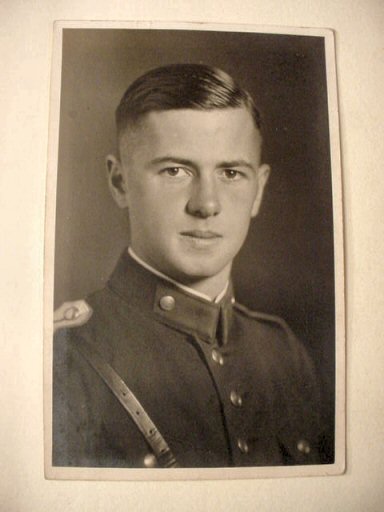
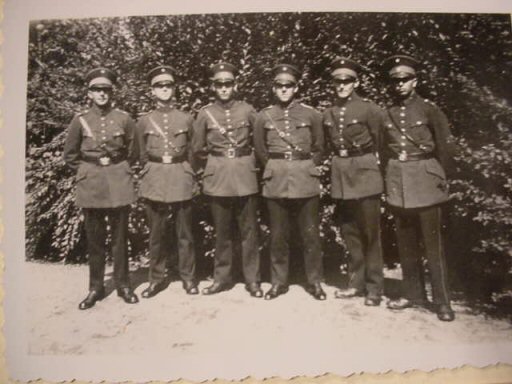
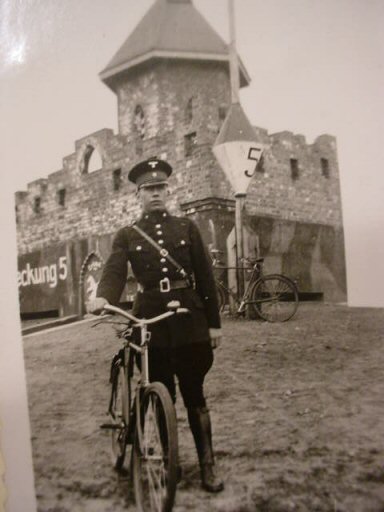
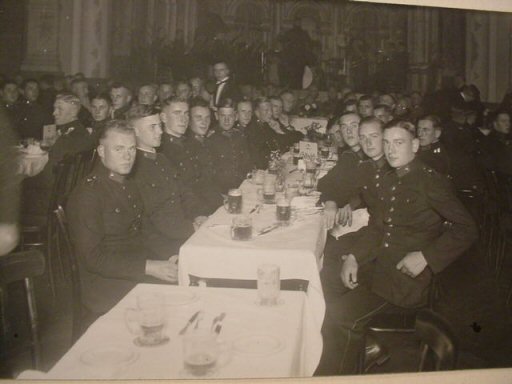
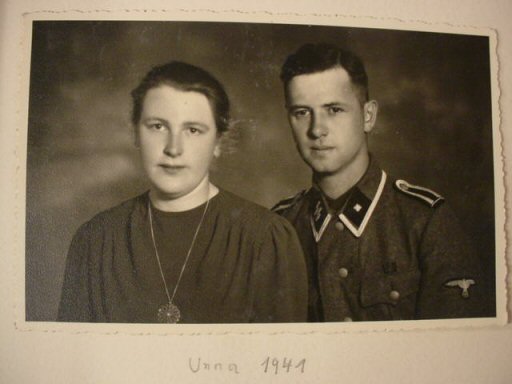
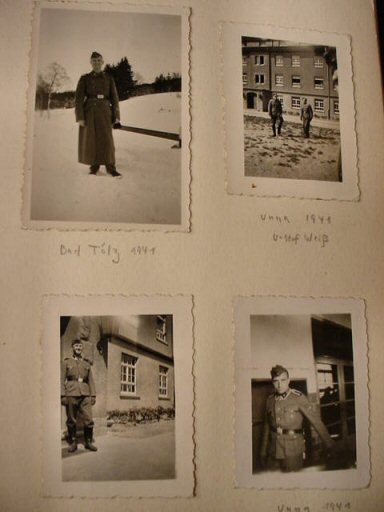
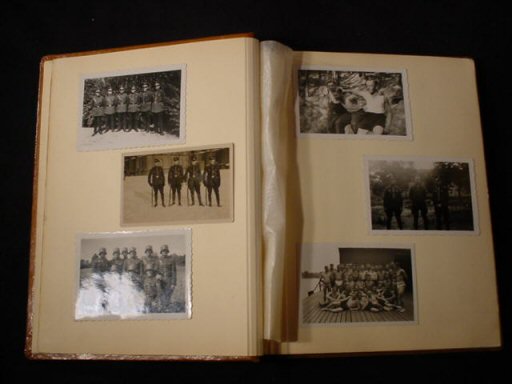
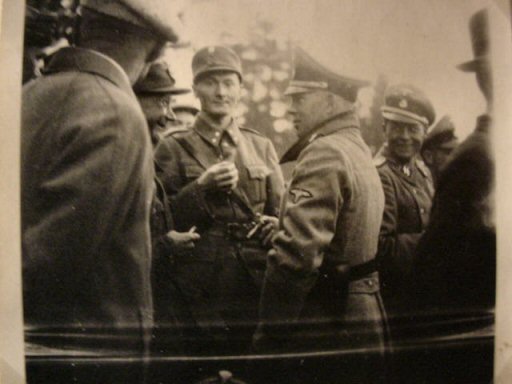
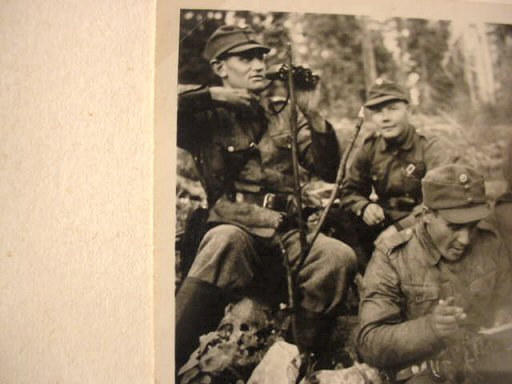
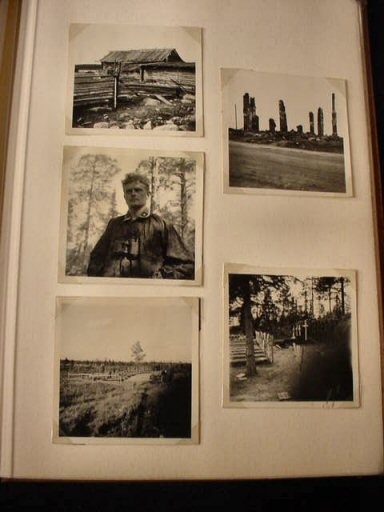
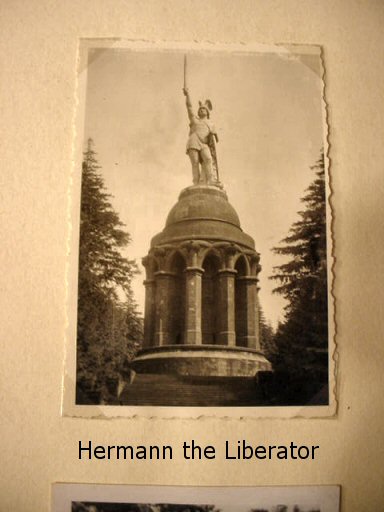
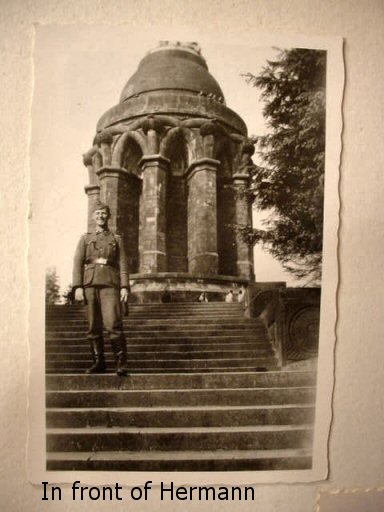
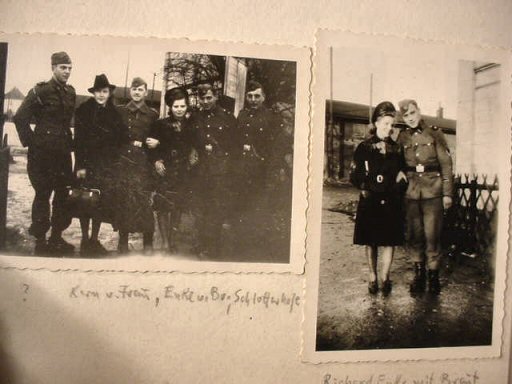
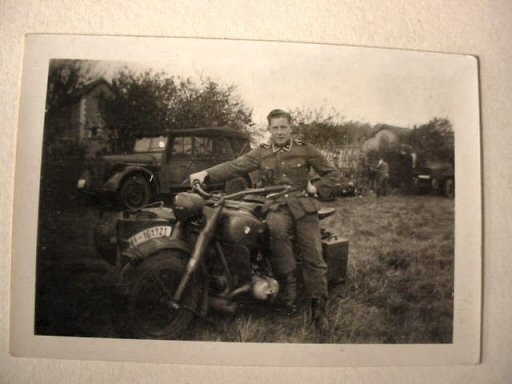
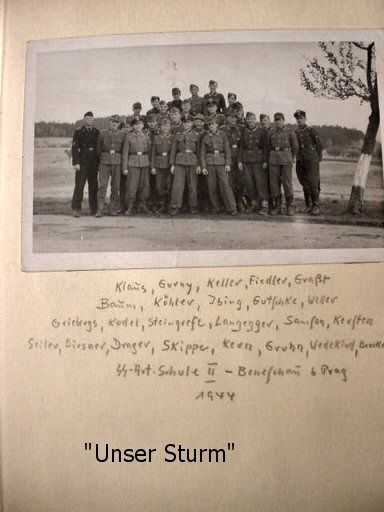
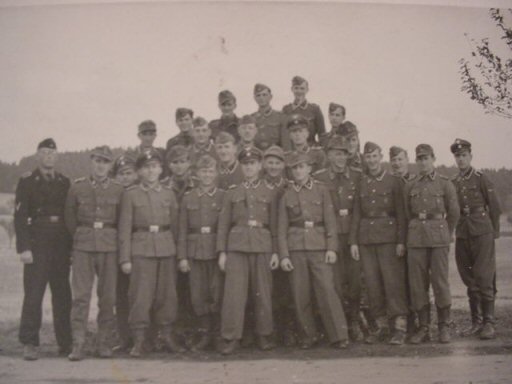
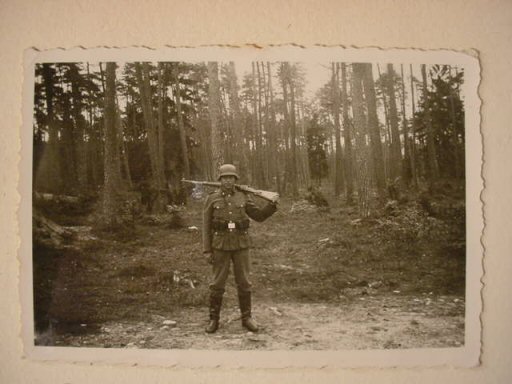
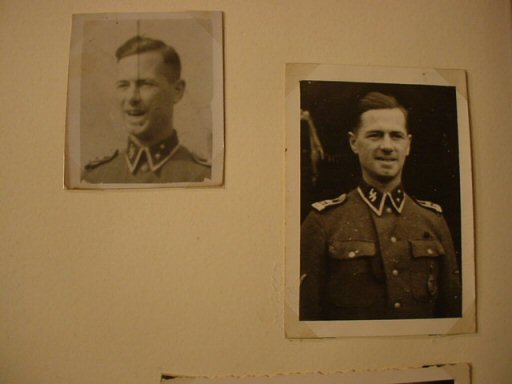
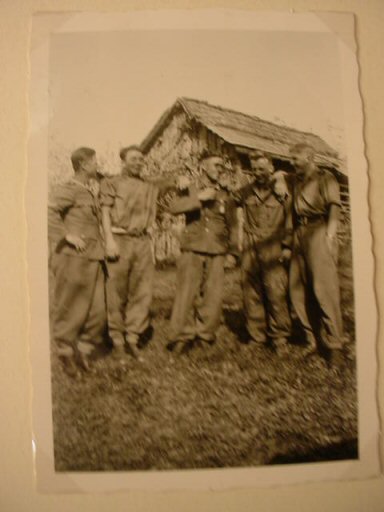
| DESCRIPTION: The album is comprised of 80 nice, clear pictures all having belonged to a young soldier of the Waffen-SS. The first eight photos depict him in the uniform of the Schupo (Schutzpolizei), Protection Police. In the first picture of the album he is seen in either as active member of the police or as a cadet in training. This was probably in the Weimar period, but in 1941, he is pictured with his wife? And he wears this uniform of an SS-Junker (active officer candidate). The next pictures are showing him at Bad Tölz and there are several references to Unna in Westfalen. There was a concentration camp there, but also SS training facilities. He also must have spent some time at Arelson, the other large SS facility. He is shown with soldiers of the Panzer Korps and other Wehrmacht soldiers. The thing that makes this album special is that each picture is noted to identification written in pencil below. Many of the pictures are combat related at the front. There is a great picture of the Hermannsdenkmal, or statue of Herman the Liberator among the snapshots. There is a great 5 1/2 x 3 1/4-inch picture taken at Senne Mai 1942 of SS-Scharführer of the Leibstandarte Adolf Hitler with all their names listed and another in the back of the book taken in 1944 with a large group of Waffen-SS in a group scene (all named). Toward to back also he is shown with the rank of Oberscharführer, and in another page there are pictures of two other Oberscharführer, who were evidently his Kameraden. The album is bound in a brown cover that is possible leather or leatherette. Condition is perfect with no pictures missing. This is a great historical treasure.
PRICE: $850.00 |
|
|||||||||||||||
|
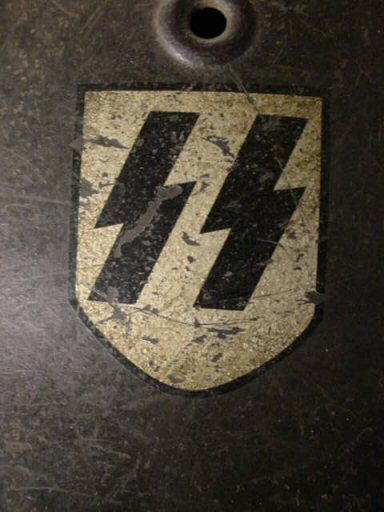
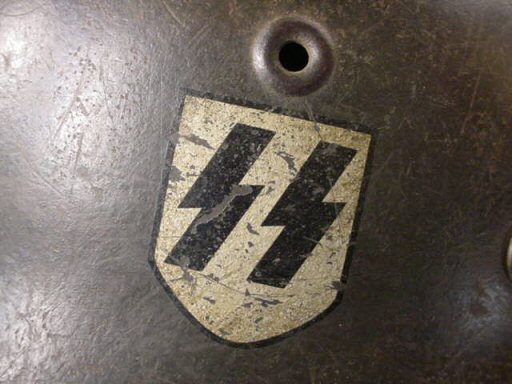
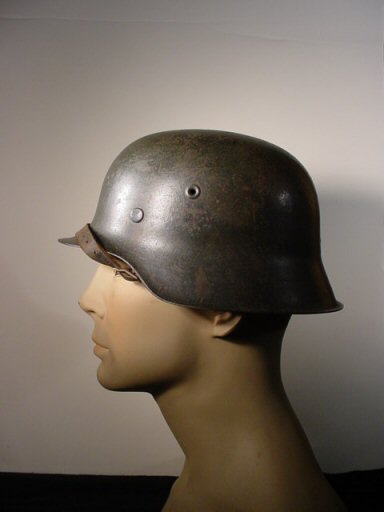
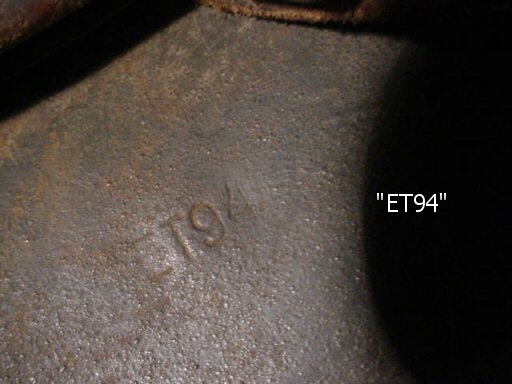
Original Waffen-SS Mod-1942 Helmet (Item WAF 6-2) |
|||||||||||||||
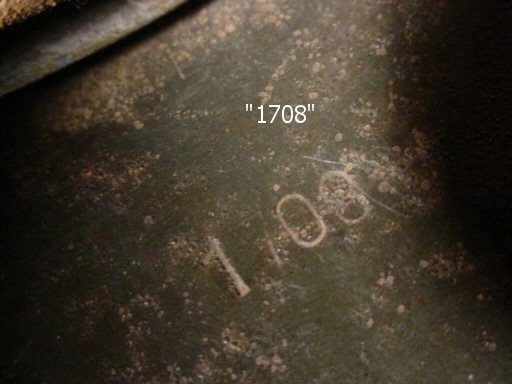
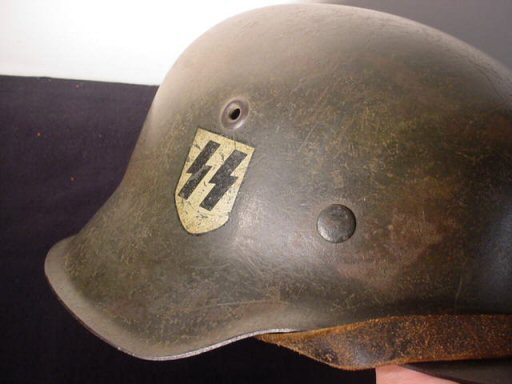
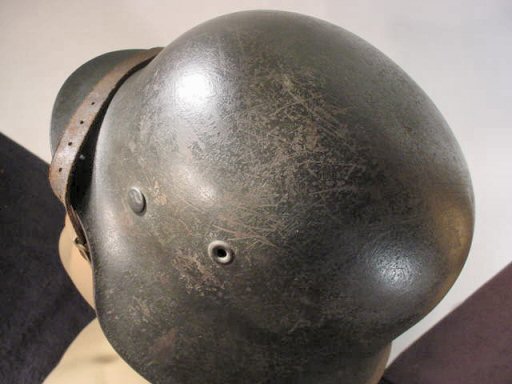
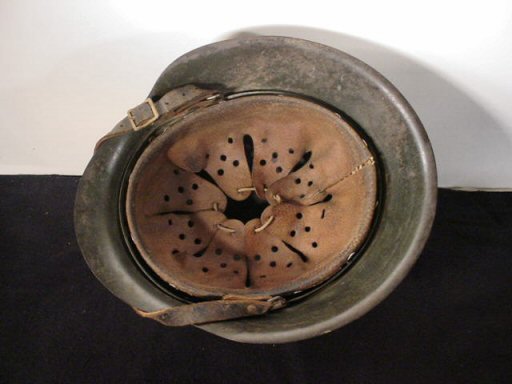
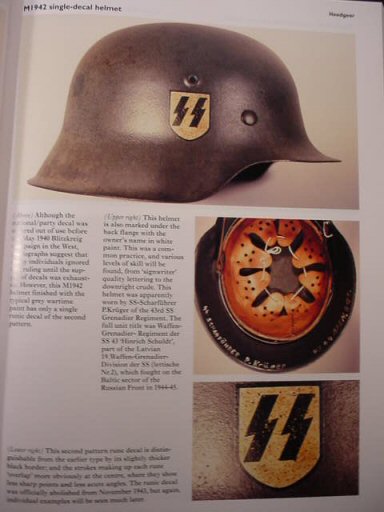
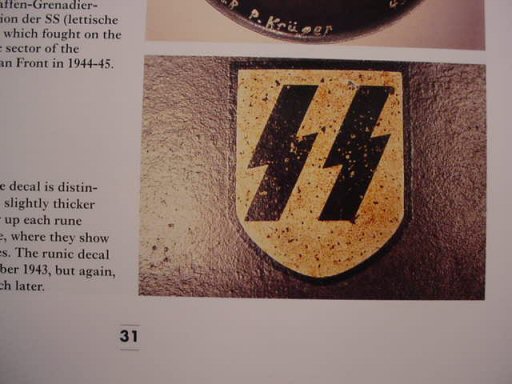
| DESCRIPTION: Here is the 100-percent real thing; a fine Mod-1942 Waffen-SS helmet with the correct number and letter stamps. It’s complete with regulation chinstrap and pigskin liner. The decal is correct and you can be absolutely sure of authenticity. It was checked out by the experts at the S.O.S Show and no one, but no one, doubted anything about it at, and they were all impressed with it. You know how hard they are to come by and this is the best we have seen in many a year. Here is the one you can feel 100-percent comfortable with. No one can reasonably fault it and we will supply a letter of authentication with it. This is almost the ultimate and it is the ultimate for the collector who wants the true Waffen-SS combat helmet instead of the double decal or dress type. We are thrilled to find it and you will be thrilled to own it.
PRICE: SOLD |
|
||||||
|
SS Official Short Card Record of Service (SS Überwachungskarte) (Item WAF 6-5) |
||||||
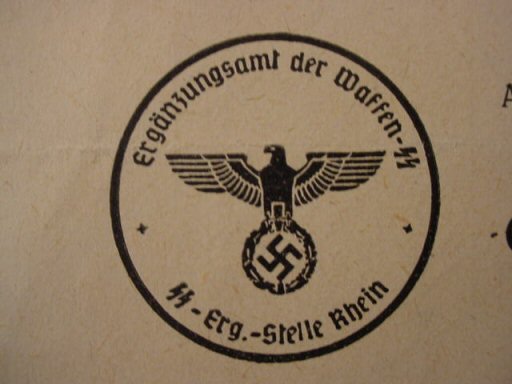
| DESCRIPTION: This is a file card for an SS man. It gives his name (First, Franz) born 15/12/06. He was a farmer who was educated in the Volksschule. He speaks the Czech language. His mother’s name is included. His address at the time and other particulars through his service in the branches of the Waffen-SS are filled in. The stamp with national eagle is over signed by an inspector. The card measures 8 x 5 3/4 inches. This is a nice little official SS document
PRICE: SOLD |
|
|||
|
Part of a Criminal Investigation of an SS Man signed by Lorenz (Item WAF 6-6) |
|||
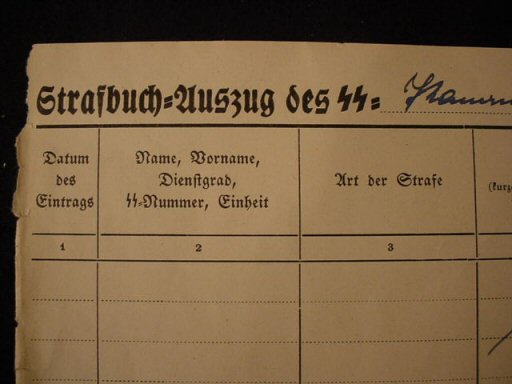
| DESCRIPTION: This is a page from a file which chronicles the investigation of a Waffen-SS soldier who evidently was suspected of some sort of criminal or forbidden activity. It’s signed in stamp form by Obersturmführer Lorenz. The investigated SS member looks to have been a soldier of the 2/SS Artillery Regiment dated 7/4/41 and bears the stamp with national insignia with Waffen-SS 2nd SS Artillery Regiment. This is a great interdepartmental document from SS archives.
PRICE: $125.00 |
|
||||||
|
Report by the KRIPO on Investigation (Item WAF 6-7) |
||||||
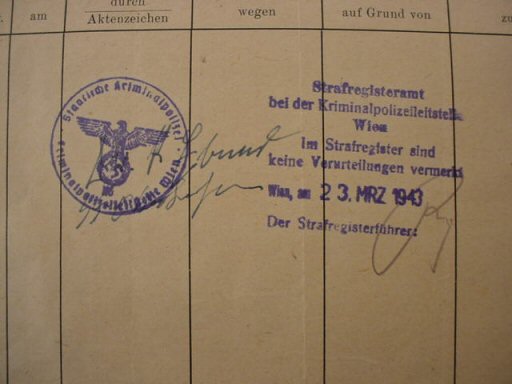
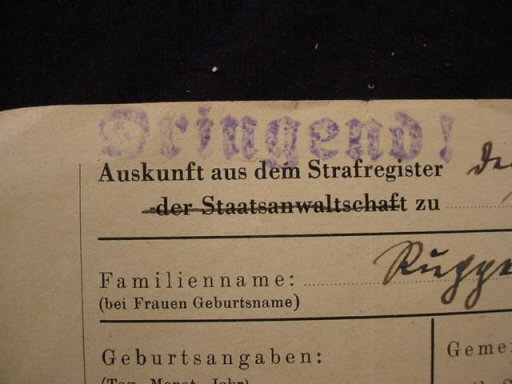
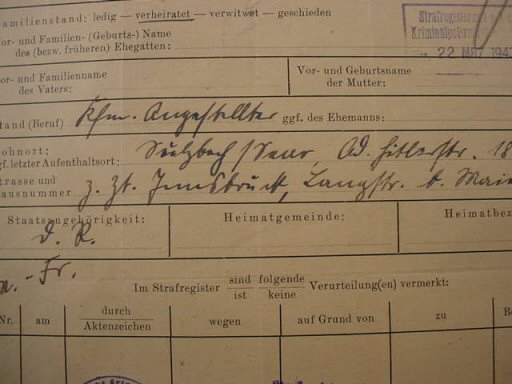
| DESCRIPTION: This is as rare and important as documents go in the SS. What it seems to be is what can be termed a successful report by the Kriminalpolizei KRIPO, Criminal Police, about an investigation of a member of the SS know as Siegfried Rüggalt. It was made on a form that could be folded and an envelope could be constructed from it with its information on the other side (SS Feldpost style). A great stamp and signature can be seen from the KRIPO and signed by the Strafregisterführer 23 March 1943. This is a great historical SS document for the archivist.
PRICE: $250.00 |
|
|||||||||||
|
Order from the Waffen-SS Command in Prague (Item WAF 6-8) |
|||||||||||
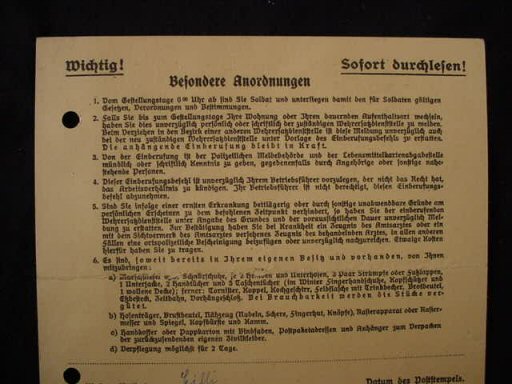
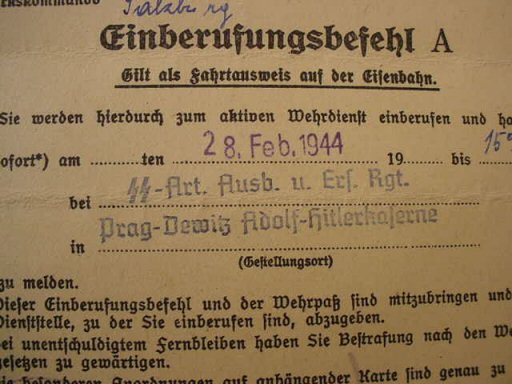
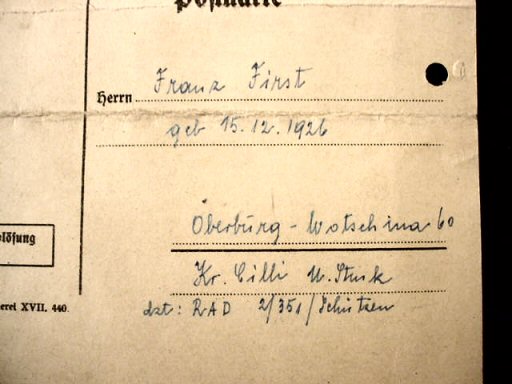
| DESCRIPTION: Here is an official order signed by an Oberleutnant in Salzburg ordering an SS man to report to the Adolf Hitler Kaserne in Prague on 28 February 1944, by the SS Artillery Ersatz Regiment. The order is directed to Franz First, who was born 15/12/26. The order is on a postcard regiment order form. It is an Einberufung-Befehl (A), or official order. It measures 9 1/2 x 5 1/2 inches and is archived punched. This is a scarce SS document.
PRICE: $125.00 |
|
|||||||
|
SS Banner for the Norwegian Legion Volunteers (Item WAF 6-9) |
|||||||
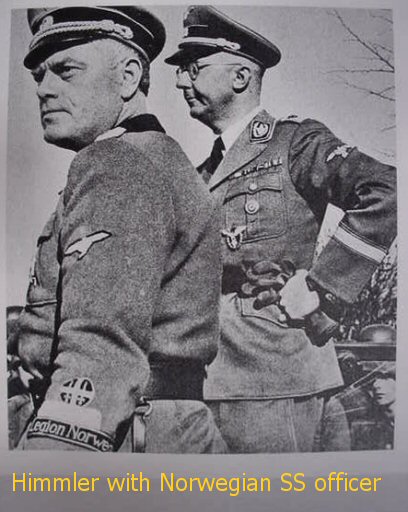
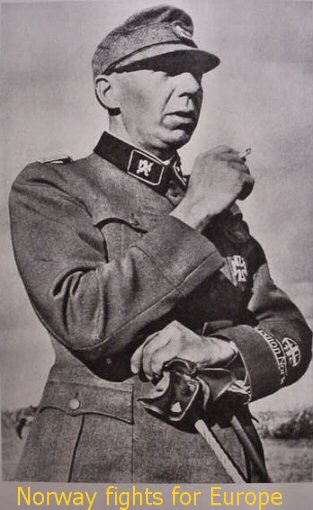
| DESCRIPTION: Here is a very rare SS banner prodigiously important and probably made for special dress functions of the corps. The theory has been also advanced that this could also be a trumpet banner for the traditional long horns that were brought back from the premedieval times, at least in looks and similarity. The Germans and other Nordic SS groups often played these long horns when special reenactment ceremonies were the order of the day at public functions, especially the Norwegian SS favored this because of such usage by their ancestors (the Vikings). The banner is about 25 x 29 inches including its 2-inch fringe all around three sides. The SS runes are a type of white field over a heavy cotton black fabric. On the backside is the shield of the Norwegian Legion in blue, red, and white. The fringe is a dark, metallic weave. The hanging loops are of the same cloth that the banner is composed of. This is beautifully constructed and is a very rare, possibly unique, relic of the noble anticommunist struggle of Europe’s young Aryan stalwarts.
PRICE: SOLD |
|
|||||||
|
SS-Wiking Division Ring (Item WAF 6-10) |
|||||||
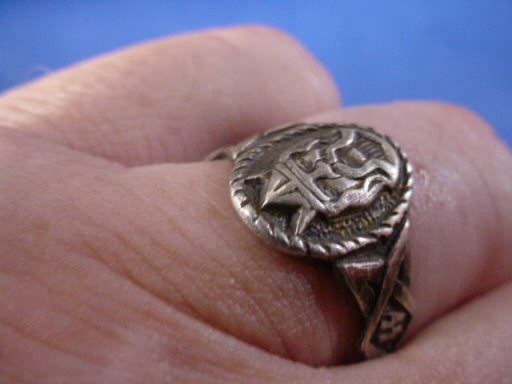
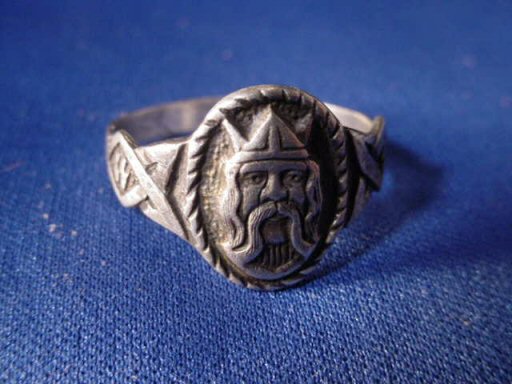
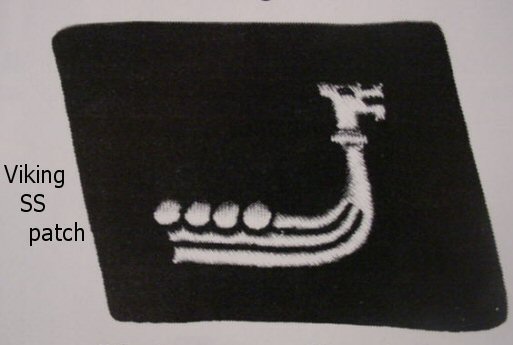
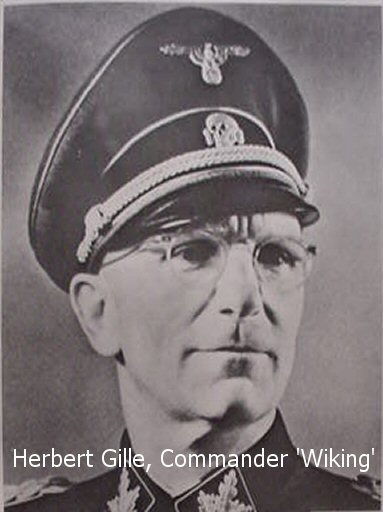
| DESCRIPTION: Here is the genuine Wiking Division ring. We have all seen the “fantasy Viking ring,” that ugly, grimacing Norseman with the evil, clenched teeth, and the round shields with sun wheel swastika and ‘SS’ on the sides. This was first produced in Taiwan and marketed by a company known as Delta International in California as early as the 1960s and still, people get stuck with them for good money. Today, you could even get a high-officer’s version in 14-karat gold (no SS ring was even made in gold). Our Wiking ring also has a Viking chief as the central design, but he has a kinder, gentler countenance. The sides bear the SS runes; one to each side. The ring is in genuine silver, of course, and the detail is great. The Wiking Division goes down in the annals of WWII as one of the finest of the Waffen-SS elite groups. It took part in most of the bloody battles that raged in the east. It was an SS Panzer grenadier division under the command of its own officers. It fought on the eastern front until July 1943, when it returned to Finland and was disbanded, but reinstated and in July 1944, the German summer offensive against Russia was launched in the Kursk-Kharkov sector with the Viking Division making one the deepest penetrations. It was eventually caught in the Cherkassy pocket. Wiking was the only armored division in the trap and therefore was the spearhead of the assault to break out. Although many German troops did escape because of Viking’s brave and noble action, including the Belgian Knight’s Cross winner, the famous Léon Degrelle, the Wiking Division lost all its armor, all its equipment, and half of the personnel, as the savage Russian troops advanced. Some survivors of the bloodied Wiking Division were formed into a 4,000-man Kampfgruppe and sent back to the straining, horrible front. It put up a hell of a fight. Even though the fighters had no heavy weapons and not even enough rifles to arm all the soldiers. The remainder of the survivors was transferred to Poland where they served as a nucleus for a completely refitted division on February 18, 1944. For further information on this illustrious battle group you can put in “SS Wiking Div” on Google or other search engines. It was the crème de la crème of elite warriors. Wiking was at all times composed of various foreign volunteers fighting alongside their German brothers for Europe. The division contained full regiments of Dutch, Flemings, Norwegians, and Danes, as well as Swiss, Finns, Swedes, Estonians, Wallonians, and divisional replacement were drawn from Volksdeutsche in the Balkans and elsewhere. They were some of the best of the best and they fought and died for the European heartland and surely they did not die in vain as they stopped the communist onslaught from completely overrunning Europe. The ring is a meaningful remembrance of this epic struggle.
PRICE: $675.00. This is an exceptional bargain at this price. |
|
|||||||||||||||||||||||
|
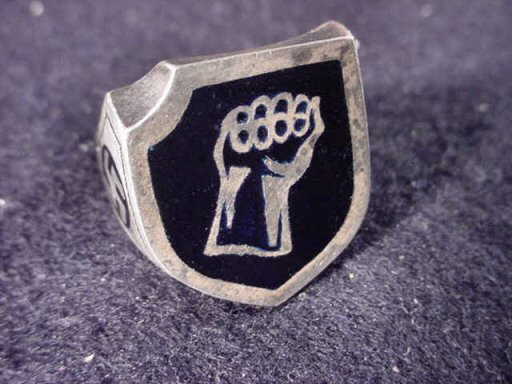
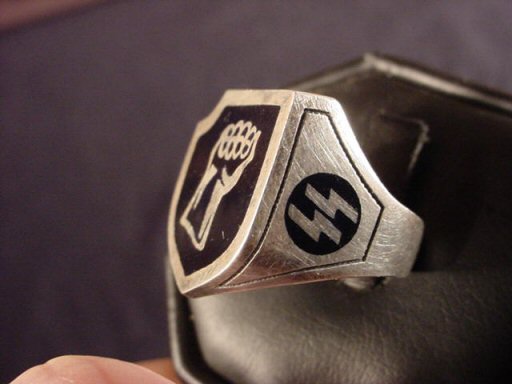
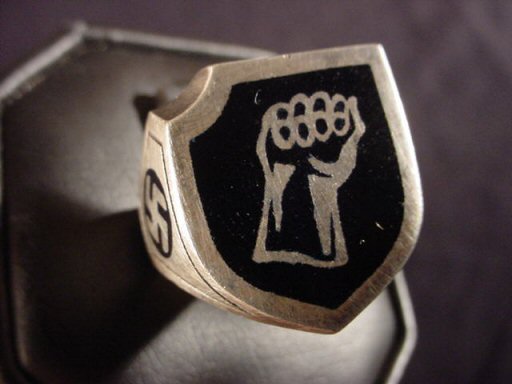
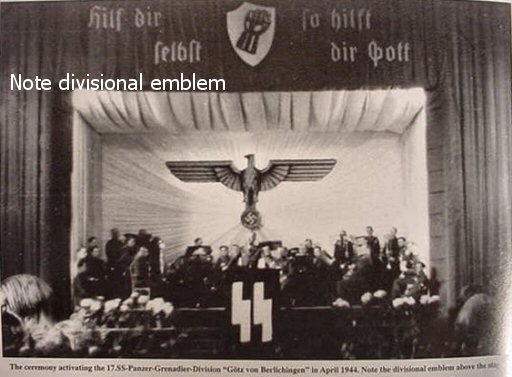
Ring of the Götz von Berlichingen Waffen-SS, 17th Panzergranadier Division (Item WAF 6-12) |
|||||||||||||||||||||||
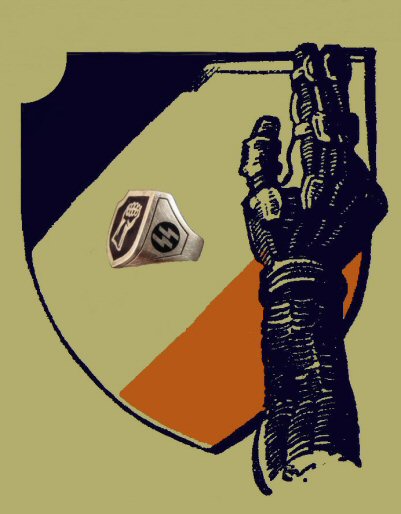
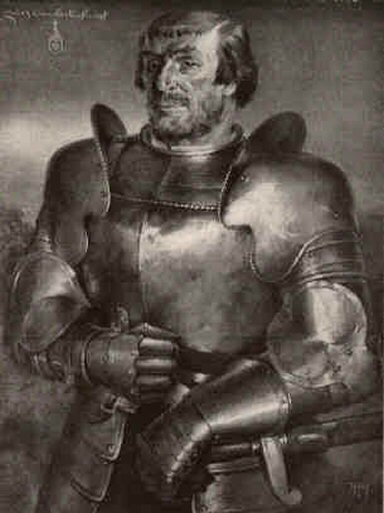
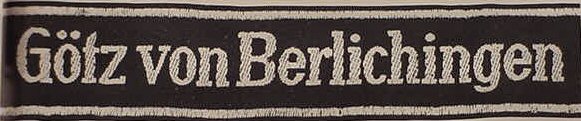
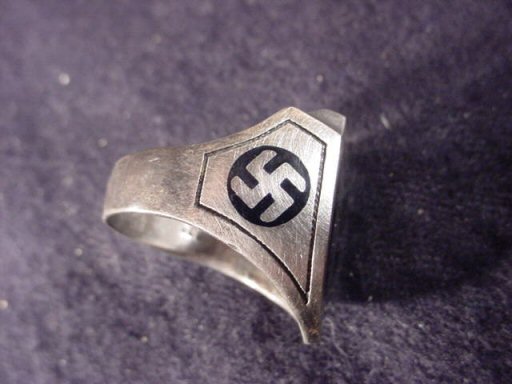
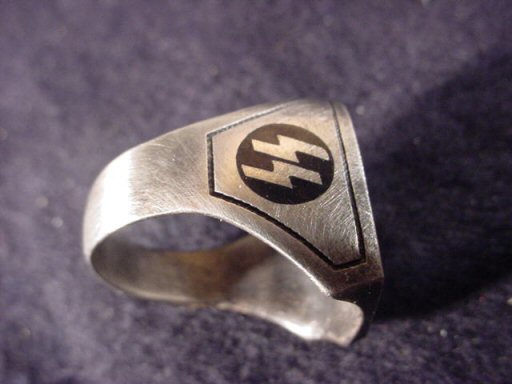
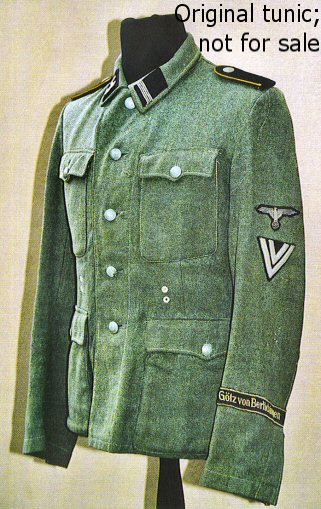
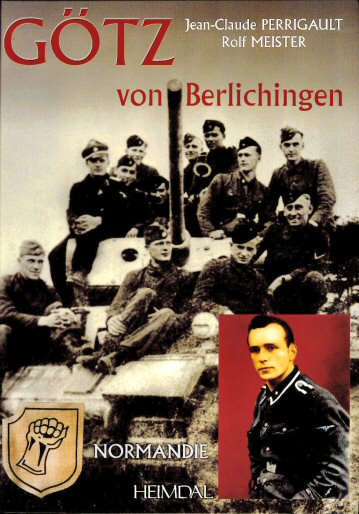
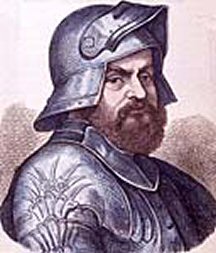
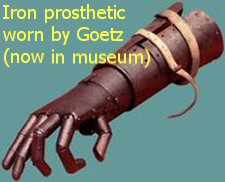
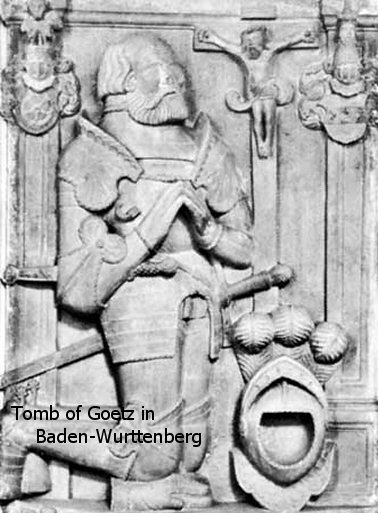
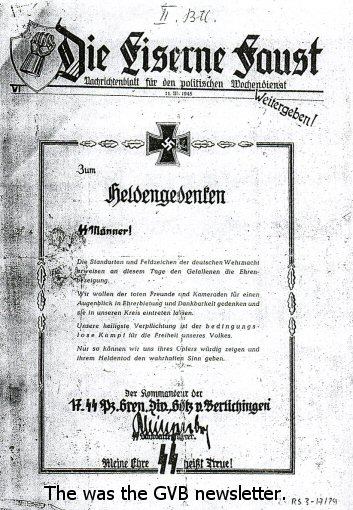
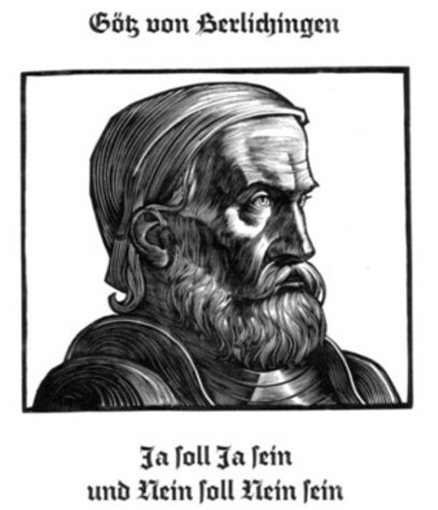
| DESCRIPTION: The original Götz was a German knight, soldier of fortune, and sometime-robber baron. He was born around 1480 to a noble family at the Schloss Jagsthausen in Württemberg. He owned several other castles including the Schloss Hornburg located near the Necker River. Berlichingen was made famous by writer and poet Johann Wolfgang von Goethe, 1749-1832, who wrote a play based on his life. He first entered the service of Frederick I Margrave of Brandenburg Ansbach in 1498. He fought in the armies of holy Roman emperor Maximilian I seeing action in Burgundy, Lorraine, and in the Swabian, but by 1500, Berlichingen had left the service of Frederick and formed a company of mercenaries, hiring his services for various dukes, margraves, and barons for a fee. In 1508 he and his company fought for Albert IV, Duke of Bavaria. During the siege of the city of Lanshut, he lost his right arm to enemy cannon fire. He then had a prosthetic iron replacement made, which is still on display at the Schloss Jagsthausen. In spite of this Berlichingen continued his private wars; the main motive being money. Most of his battles were raids on the rich towns or merchant caravans and the occasional kidnapping for ransom of minor nobles. For all of this he was placed under an imperial ban and was only released from this by Emperor Maximilian when he paid 14,000 gulden. In 1516, Berlichingen and his company mounted a raid into Hesse capturing Philip IV, Count of Waldeck. For information on the Waldecks, see Item SS 25-1. A ransom of 8,400 gulden was paid for the safe return of the count. For this action he was again placed under the ban. In 1518, after this, there were countless battles after battles, wars after wars that this old warrior led troops in including his brilliant service (without pay) against the Ottoman Empire of Suleiman the Magnificent, in Hungary. This was service to Charles V, Holy Roman Emperor, and in 1544 he was at the forefront of battle in the imperial invasion of France under Francis of France. He then finally returned to the Hornburg and lived out his days in relative peace. He died on 23 July 1562 in the castle at Horneck. Under the second ban, the bishop of Bamburg sent an emissary to Berlichingen’s castle and demanded his surrender and then came his famous reply: “Er kann mich im Arsche lecken!,” “He can kiss my ass.” This phrase went down in history, and today if you want to insult someone in Germany you do not sound out this phrase, but just say:“ Götz von Berlichingen.” That message is clear. The 17th SS Panzer Granadier Division was raised near Poitiers, France in October 1943. It was formed from scratch with the majority of its original cadre coming form replacement units and conscripts; many of Romanian extraction. The division was granted the honor title Götz von Berlichingen in honor and tradition of the toughest warrior knight of German history and they lived up to his fighting tradition in keeping with the saga of Götz and his prosthetic hand. The division’s emblem was the clenched iron fist. SS-Obersturmführer Otto Ringe oversaw the formation of the division with the newly appointed SS-Brigadeführer Werner Ostendorf taking command in January 1944. The division was placed under L XXX army corps, a part of the Generalfeldmarschall Gerd von Rundstedt’s Heersgruppe D. All of their fighting was against Americans in several engagements after the D-day invasion. This information can be found in lengthy reports by going into Google for a search. Regrettably they were accused of killing American wounded, but this was merely an accusation never proved; nor was anyone indicted or tried; however, it is certain that some of the troops of Götz von Berschlingen became victims of war crimes by the Americans. In 1976, the remains of about 200 men from the 1 Battalion 38 SS Regiment were found and positively identified and apparently murdered by troops from the U.S. 42nd Infantry Division and buried in a mass grave near Nuremberg. Most had been shot at very close range supporting the fact that a massacre had taken place. The division served honorably as German soldiers fighting for their fatherland and for Europe. The rings produced for this division are possibly all that exist to memorialize these young Spartans. The ring is massive and the original old warrior knight Götz would surely approve. It bears the shield that is exactly like the armored vehicle marking of the unit. The roundels on the side have the SS runes on one side and the swastika on the other. It is certainly the greatest-looking ring of the Third Reich and its fighting forces. Their honor was loyalty!
PRICE: $900.00: Extremely rare |
Page Six |
Please refer to item designator in parentheses in all correspondence.
Please E-mail for any additional information you may need.