|

Helmets
Page 2
Please be sure to visit our Kaiser Wilhelm II
collection.
|
|
|
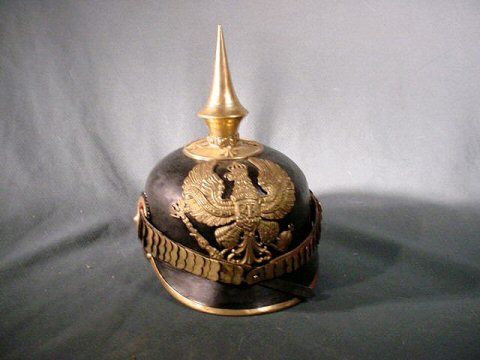
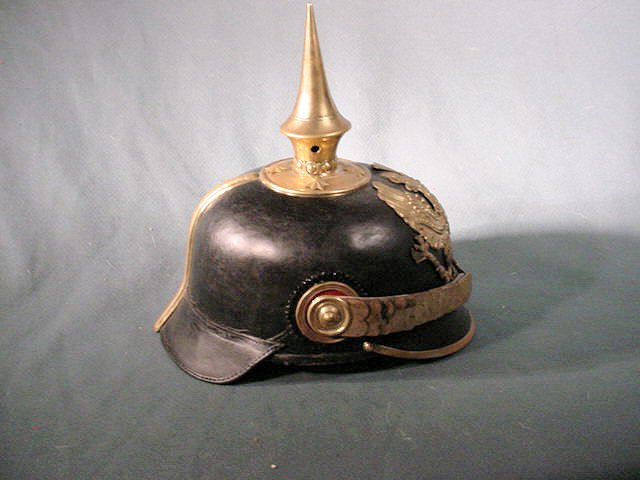
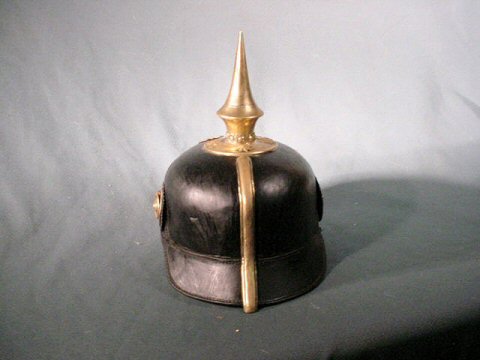
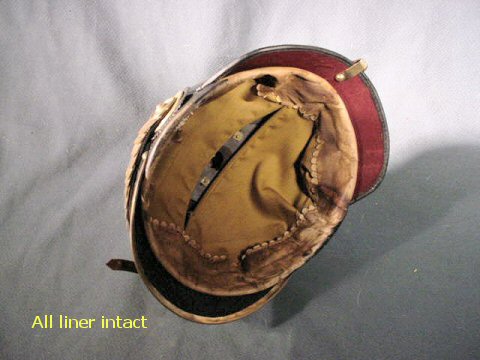
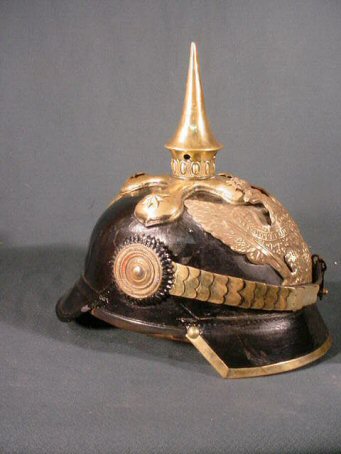
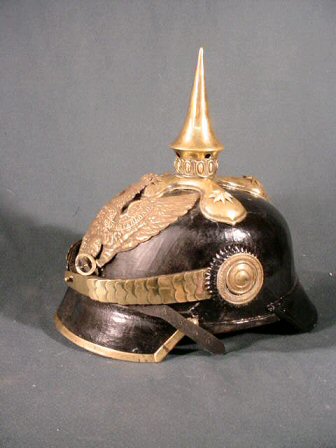
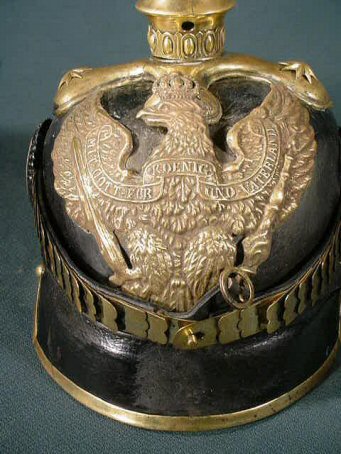
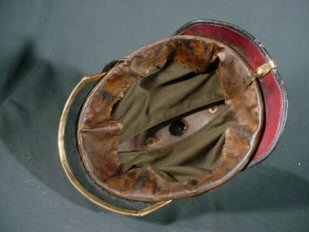
Prussian Officer's Spike Helmet (Pickelhaube) (Item KHELMET 2-1)
|
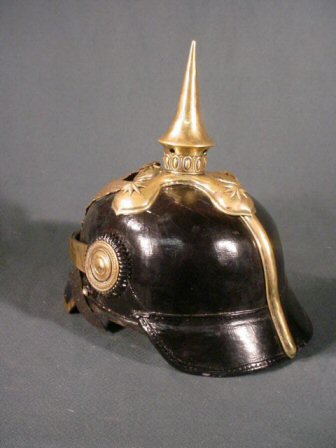
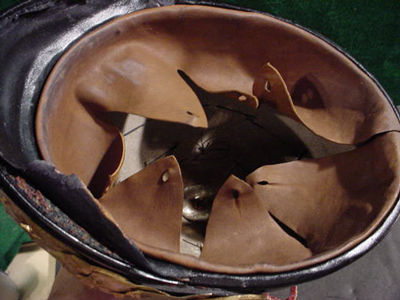
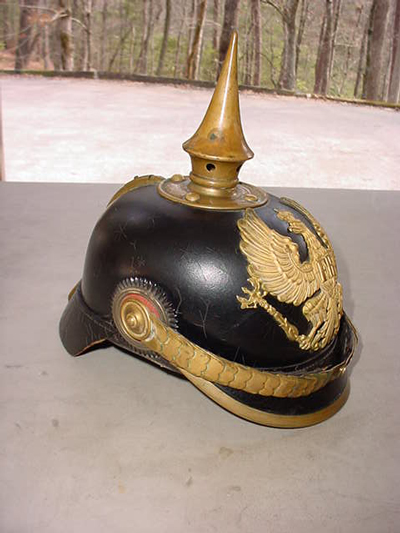
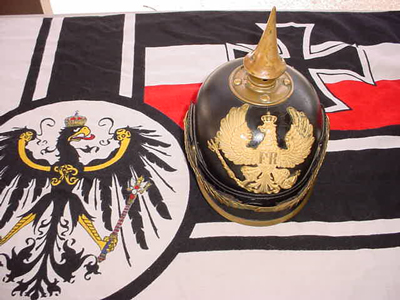
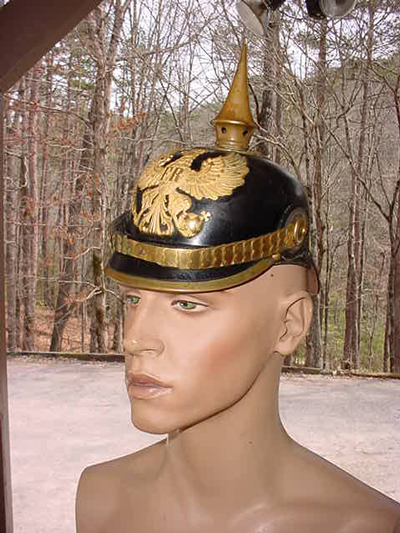
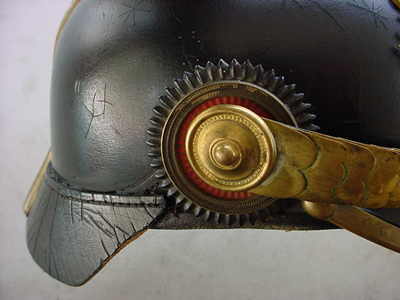
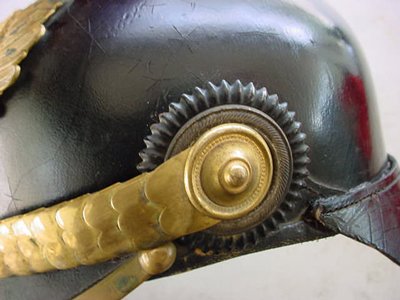
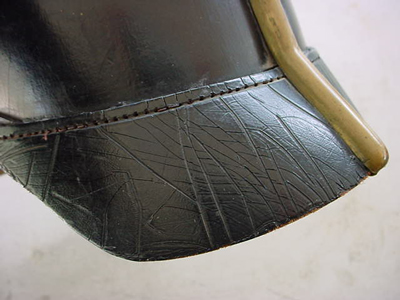
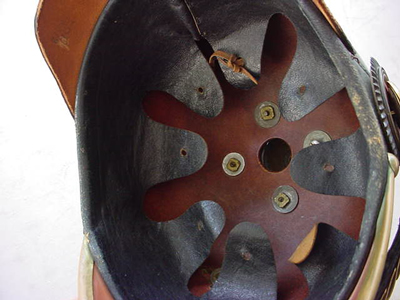
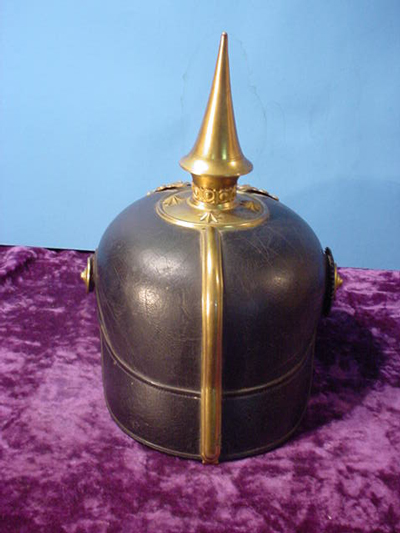
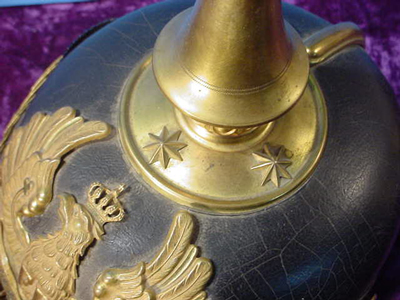
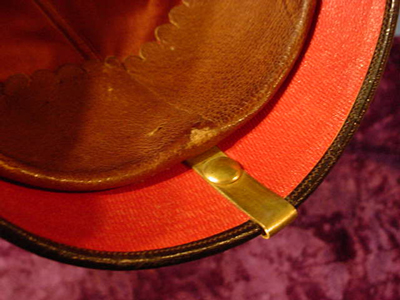
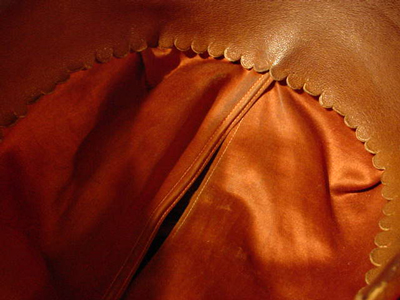
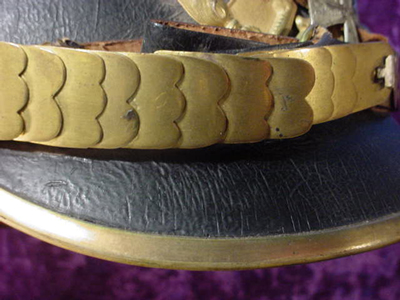
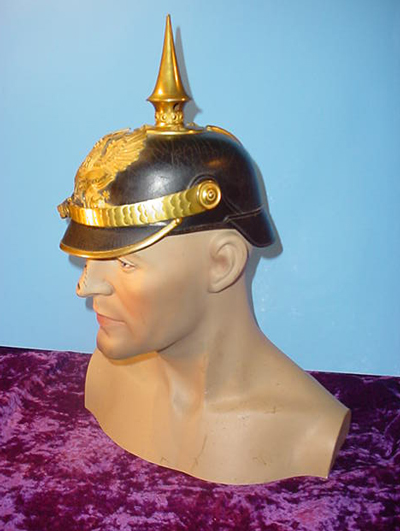
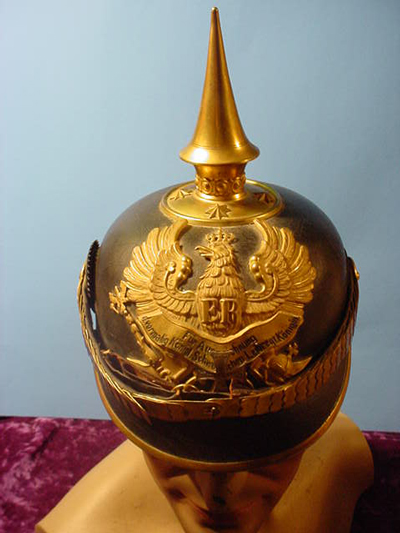
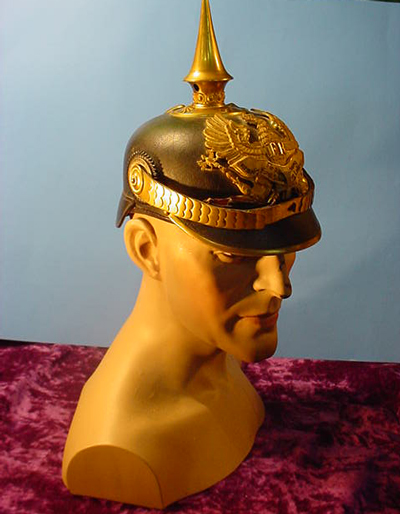
| DESCRIPTION:This is just an excellent-condition Imperial Prussian officer's spike helmet in very fine shape; extra fine throughout with all proper insignia with the only exception being that the Prussian cockade is not there, but a national cockade is present on both sides. The liner, both leather and fabric, is intact and all nuts, screws, stars, and chinstrap are intact and accounted for. The leather is in excellent shape with no cracking at all. Everything is tight. Even the back visor that is usually loose is rigid and tight. What more can we say? Here is a good one! and the price is very reasonable for this great piece of almost 100 years' age.
PRICE: SOLD
|
|
|
|
Prussian Officer's Dragoon Helmet (Item KHELMET 2-2)
|
| DESCRIPTION:This Pickelhaube of the Dragoons (mounted infantry) is typical of its age. Dragoons as mounted troops continued to use convex chin scales in brass with star-studded retainers and they had the Prussian "Dragoon Eagle" that looks to its right as with infantry eagles. However, a significant difference can be noted in the continued use of the squared front visor after the infantry dropped it for a rounded visor. This particular example was the style used by Regiments 7, 8, 11, 13, and 14. Overall, in good display shape with the usual age cracking to the leather, but the cracks aren't going anywhere and nothing is chipped away. The leather sweat band and liner are intact. Here is a very fine example of a helmet of the Great War.
PRICE: SOLD
|
|
|
|
|
|
|
|
|
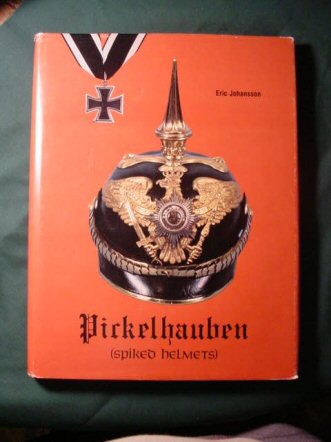
Book Pickelhauben, (Spiked Helmets) (Item KHELMET 2-4)
|
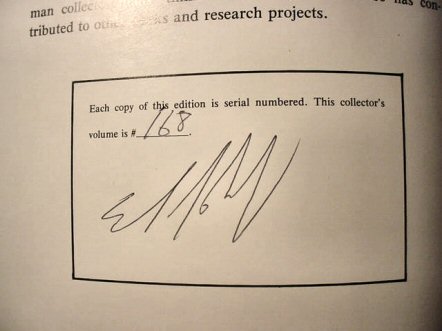
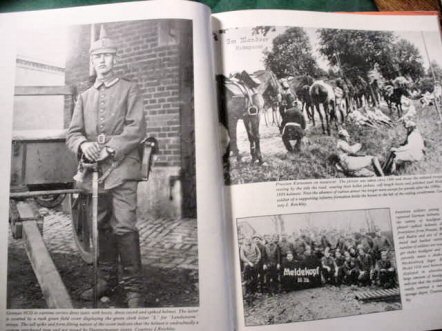
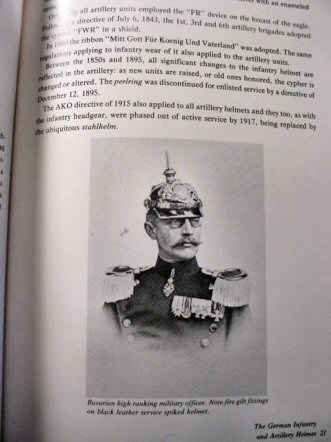
| DESCRIPTION:This book by my personal buddy, the late Dr. Eric J. Johansson, is sought after by all the collectors. This is a numbered (# 168) copy signed by Eric and bears the stamp of John Ellis, also deceased, and a very well-known collector of Imperial relics. This is a 180-page hornbook on the collecting of Imperial headgear by a man whom I believe was the world’s leading authority on the subject. Eric was the collector’s collector; not anything like the pudgy little cretin by the name of Kube in Germany and his mostly false expertise and hideous wife. Dr. Johansson was a learned gentleman. It is only too bad I did not hook up with him businesswise in the 1980’s instead of allowing him to go to Manion’s where he wasted his talents on an unappreciative owner’s road to riches. Well, so much for that. His book in English is still today the absolute best reference on the Deutsches Pickelhaub. The book, unfortunately, never went to a second printing so it is quite scarce, today. Like so many booklovers I at one time lent my copy to someone whom I wanted to share the great information with and a month later he told me it was stolen from his car. So, here I was without the precious book that I depended on so often. When I tried, after Eric’s passing, to acquire another, I found it virtually impossible--not even Amazon.com could assist me. Then, about a month later, I finally found a shop tucked away in the mountains where a shop owner had invested in several copies some years back (thank goodness). So now I can offer three of these magnificent books to the collecting public, but I had to pay dearly for them. The book in coffee-table form is large and measures 9 x 11 ½ inches. It is an absolutely concise history of German military headgear with great pictures of the helmets, busbies, grenadier miters, Tschapkas, and Skakos. Not only the headgear, but many great pictures show Landsers and cavalry wearing them at dress and the field of battle. I could say so much more, but most of the collectors out there know of the is great work. Now is the time to grab a copy; the opportunity may never present itself again. We have only one copy with the dustcover and two without. The one with the dustcover is the one that is numbered and stamped.
PRICE: $195.00; with dustcover; $145.00; without
|
|
|
|
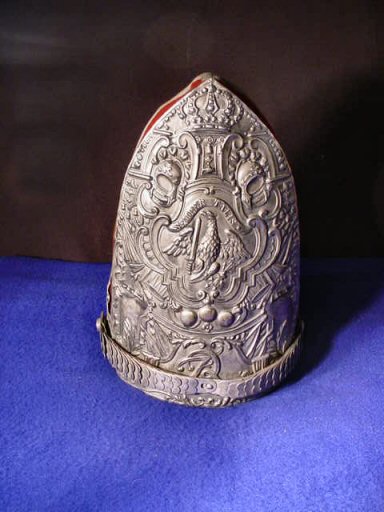
Prussian Grenadier Miter, or Helmet (Item KHELMET 2-7; WWI 8-24)
|
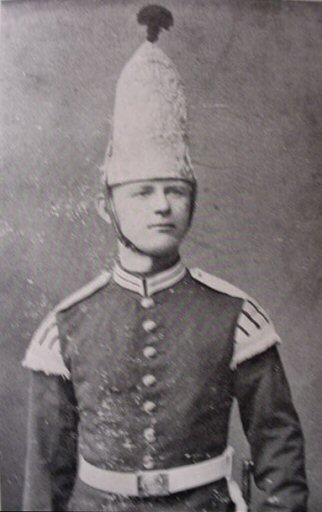
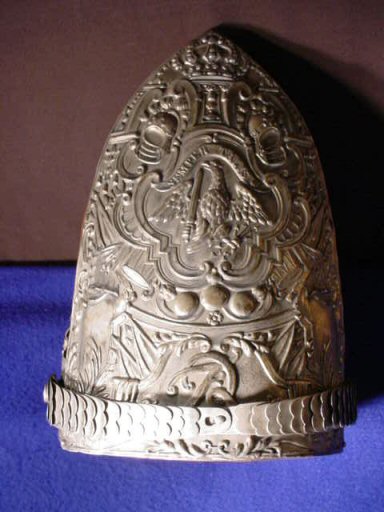
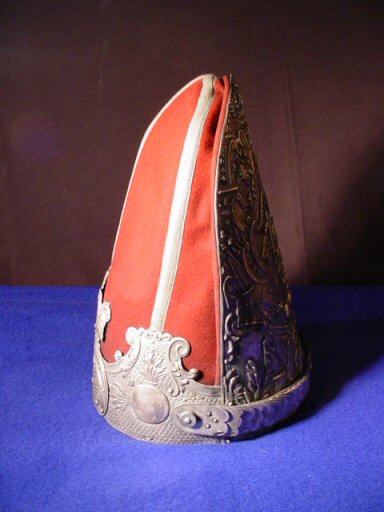
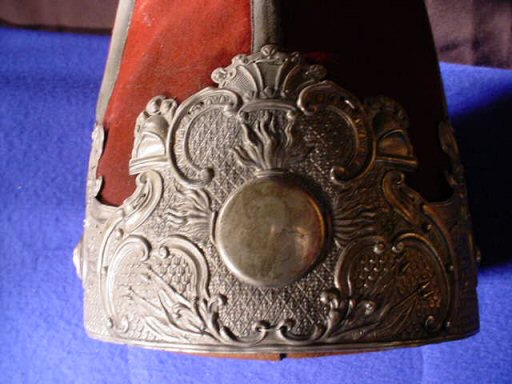
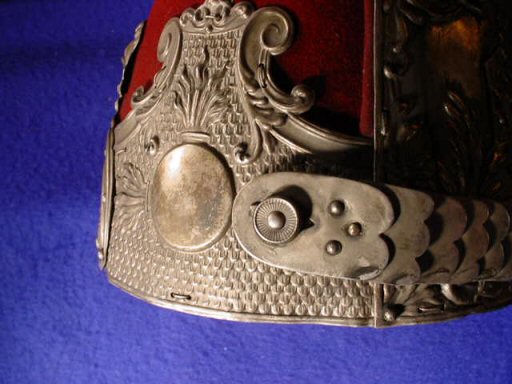
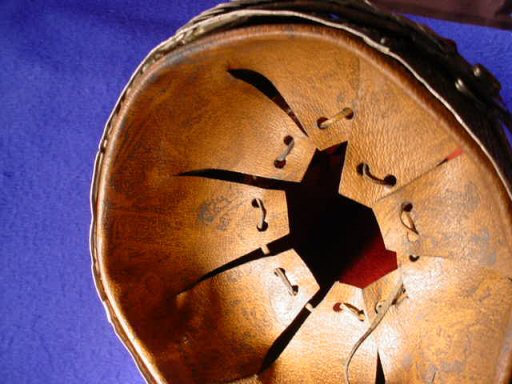
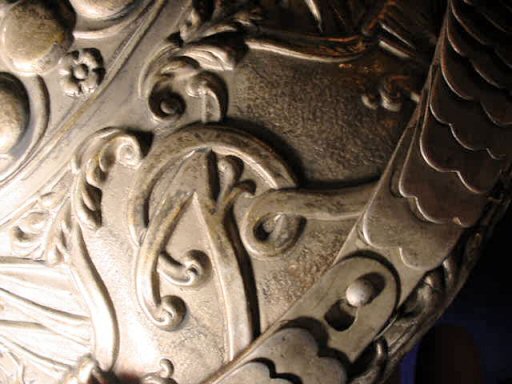
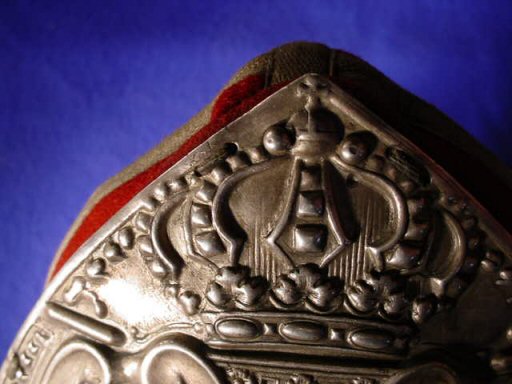
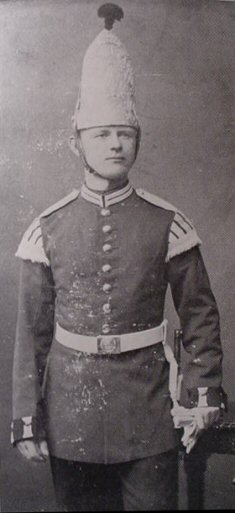
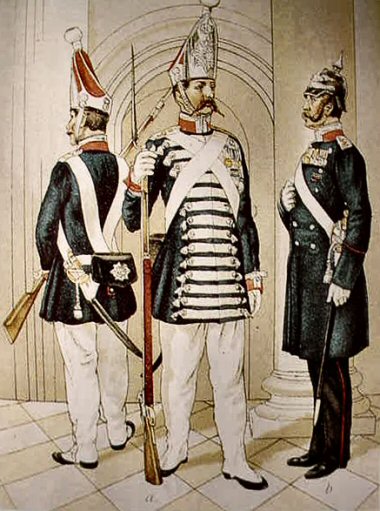
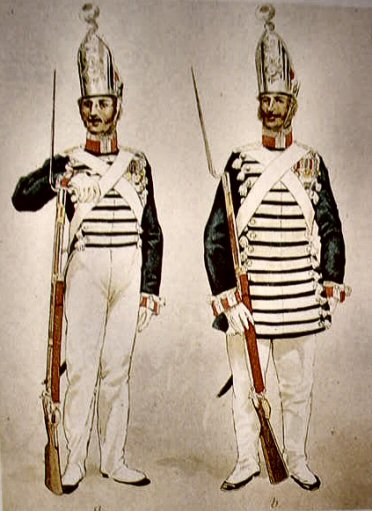
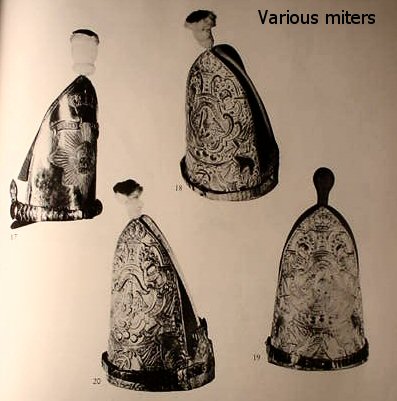
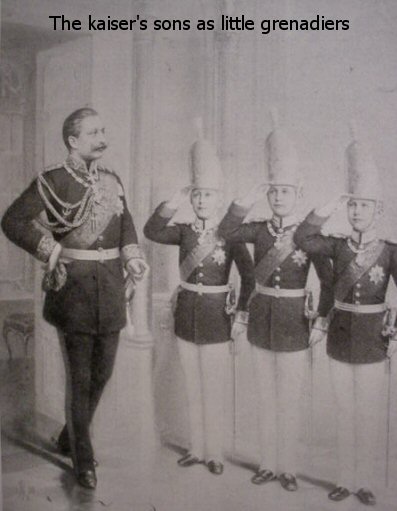
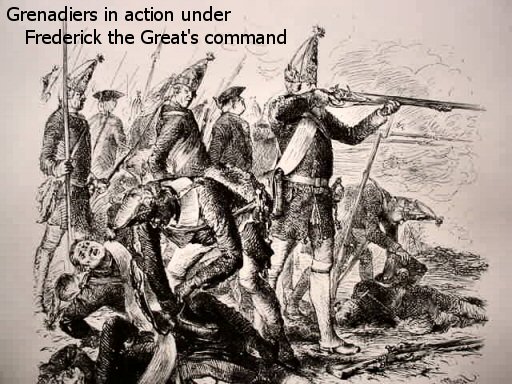
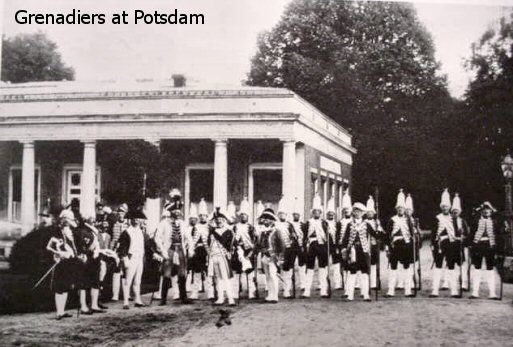
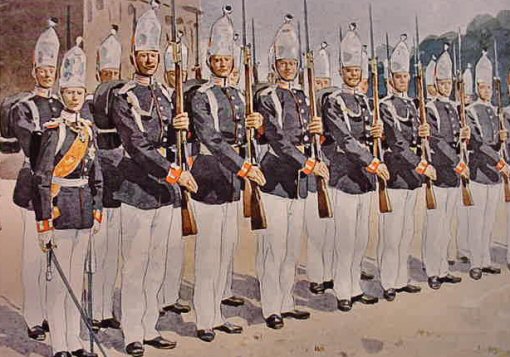
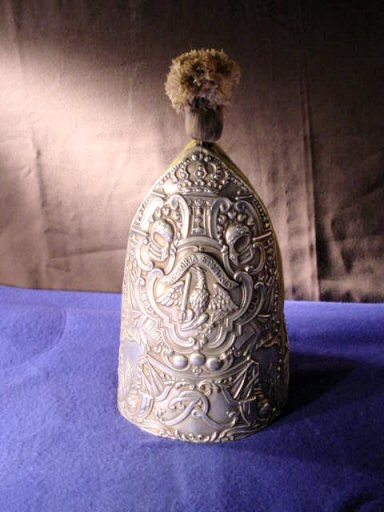
| DESCRIPTION:This in wonderful condition is the parade miter of the First and Second Battalions of the Guard Regiment of Foot (1894 model) for enlisted ranks. Grenadiers were the elite soldiers who were originally a specialized assault group for siege operations, first established with a distinct rule in the mid-to-late 17th century. Grenadiers were soldiers who threw grenades and stormed breaches leading the forefront of such a breakthrough. Five regiments of the Prussian Guard were designated as guard grenadiers and there were an additional fourteen regiments among the line infantry of the German empire. The miter cap, whether in stiffened cloth or metal, became the distinguishing feature of the grenadier in the armies of Britain, Russia, Prussia, and most of the German states during the 18th century. By 1914, the miter survived in three regiments of the Prussian and Russian Imperial Guards. In the case of Prussia it was the First, Second, and Third Battalions of the Regiment of Foot, and it is this miter we offer here in the 1894-1914 model. This helmet features the scaled chinstrap accouterment, although some examples in museums and private collection are seen without them. This would date the actual issue to after 1896, because that is when the chinstrap was introduced. This explains why grenadier caps like the one from the Third Battalion (featured below) would seem to be missing the strap, but one can readily see on that one that no such accouterment ever was attached. The Prussian eagle in the central design has a banner withSemper Talis (“Always the Same” High Standard). This helmet has a red cloth, bold body with trim (once white). The condition is utterly fantastic; the liner is intact; the metal is unmarred; the detail is wonderful. This is truly a very rare piece of imperial headgear and priced very competitively. Seldom is one of these ever found, and they are so scarce in this condition.
PRICE: $2,400.00
|
|
|
|
Prussian Grenadier Miter Cap, or Helmet (Item KHELMET 2-8; WWI 8-25)
|
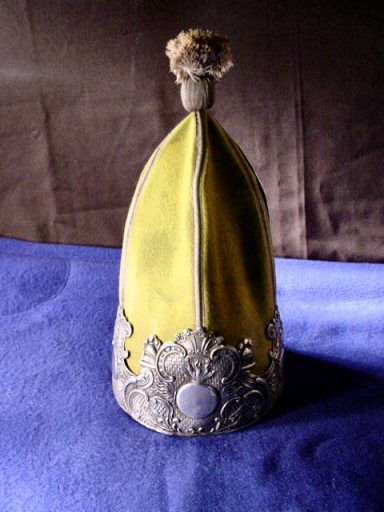
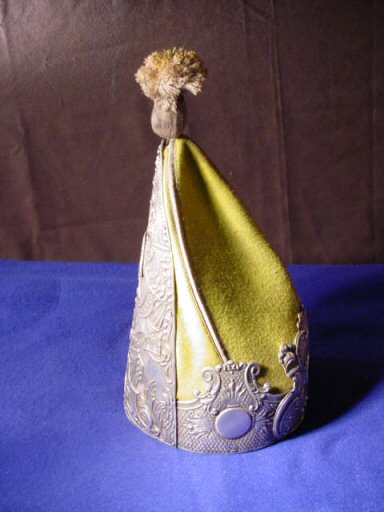
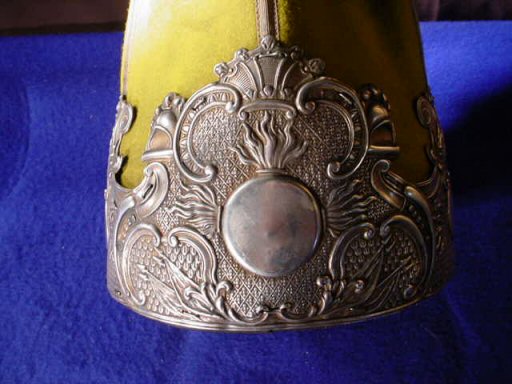
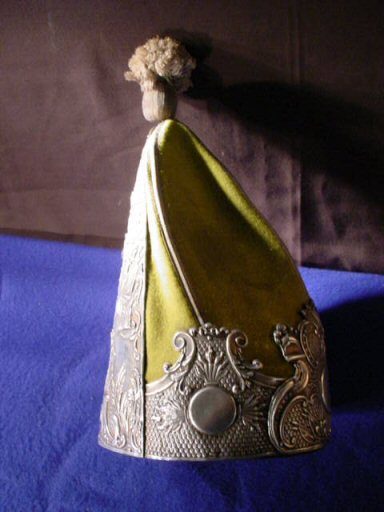
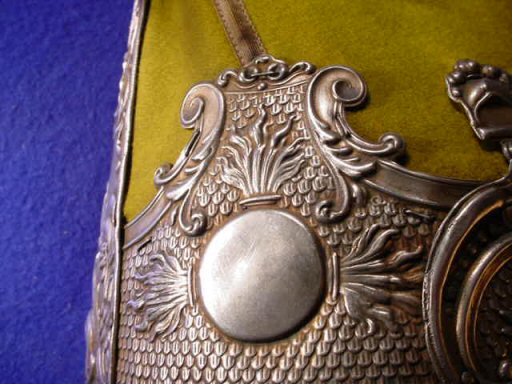
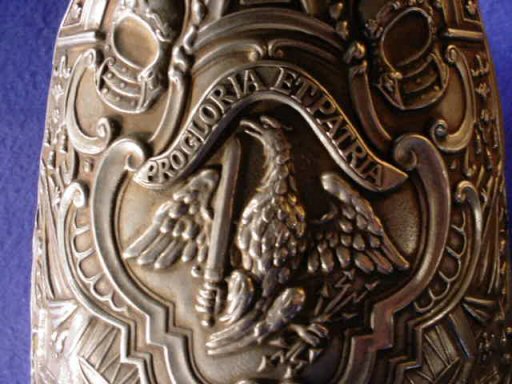
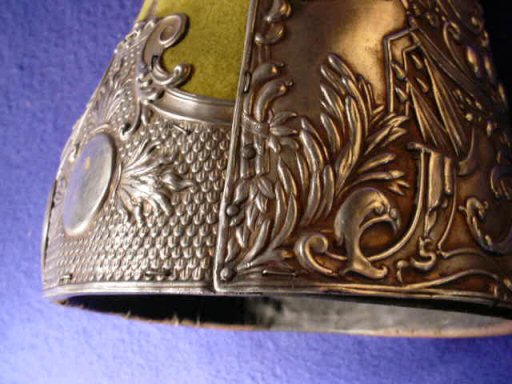
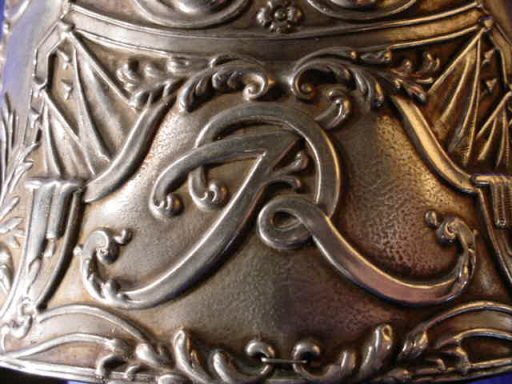
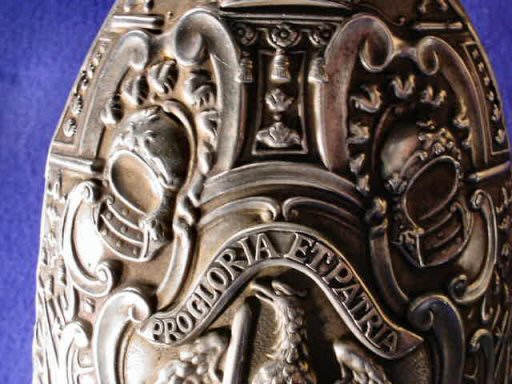
| DESCRIPTION:This is the miter of the enlisted ranks of the 3rd Battalion of the First Prussian Guard Regiment from about 1890 to possibly 1896. It was worn minus a scaled chinstrap of the type seen above in the First and Second Battalion model. Read over description with the above miter: Item KHELMET 2-7. The Third Battalion wore the color yellow as the core color of the cap with once white trim. The miter is in excellent condition overall. The motto on the banner is Pro Gloria et Patria, “For glory and fatherland.” Essentially this mottos and the body color are the only difference between this one the one above. They are both in great condition, but this one has the pom-pom included. These are rare museum pieces in very wonderful shape. This one bears a few stains here and there, but is without mothing and the original liner is there, intact. It’s very reasonably priced.
PRICE: SOLD
|
|
|
|
Child’s Hussar Perzmütze or Busby (First Leib Hussar) (Item KHELMET 2-9; KTOY 1-8)
|
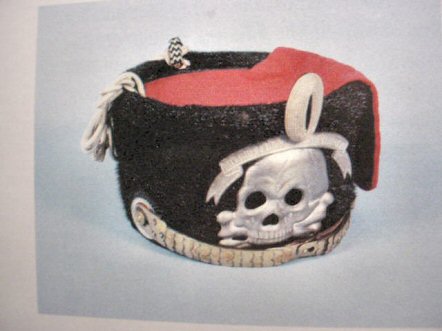
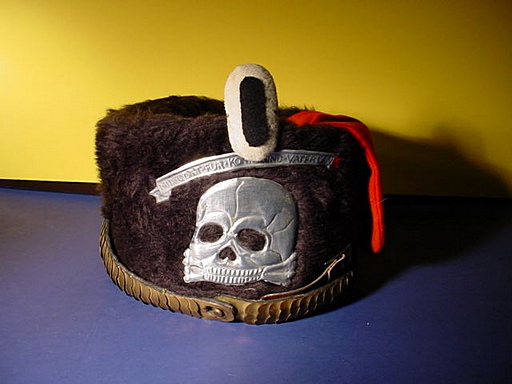
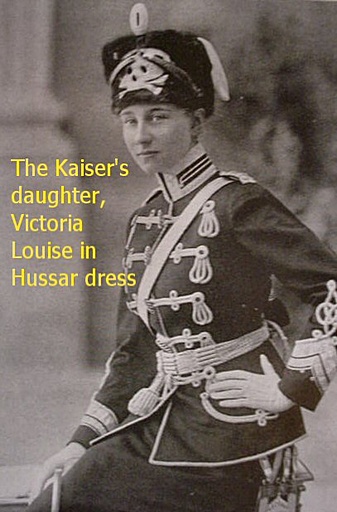
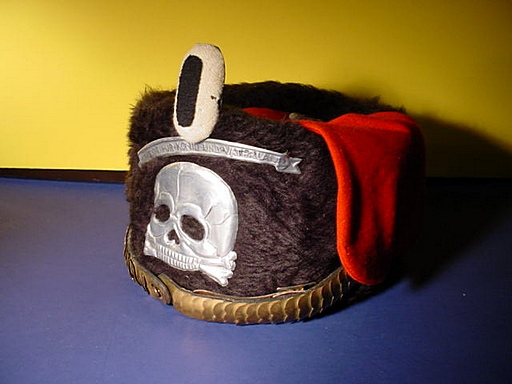
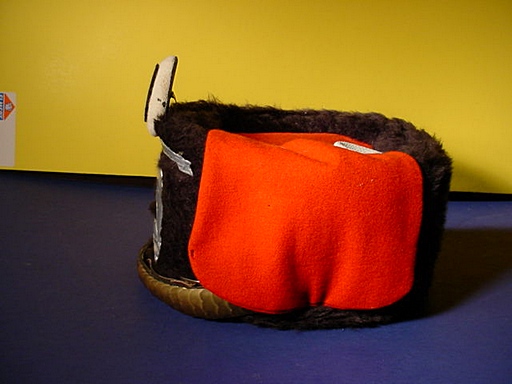
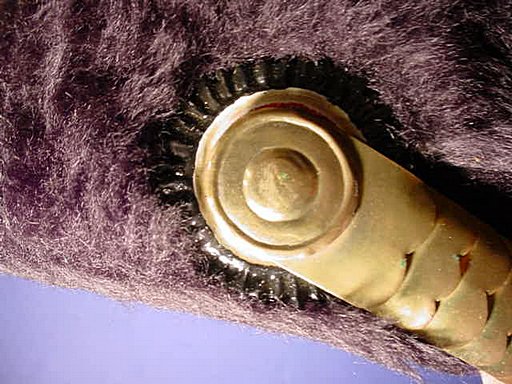
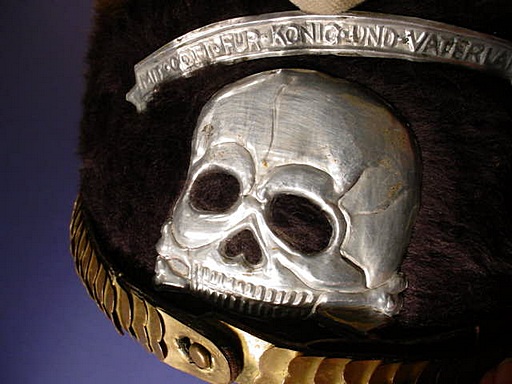
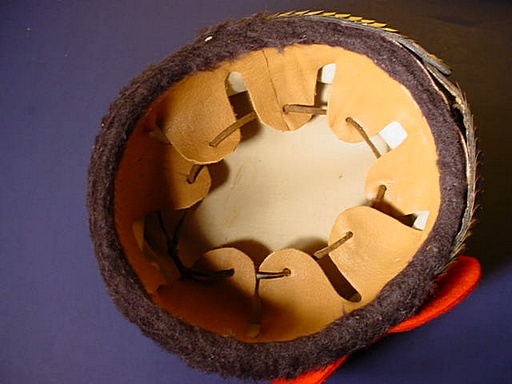
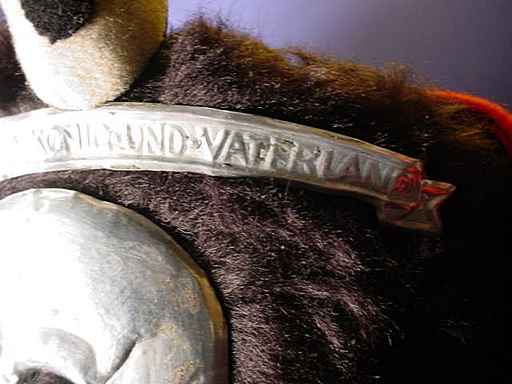
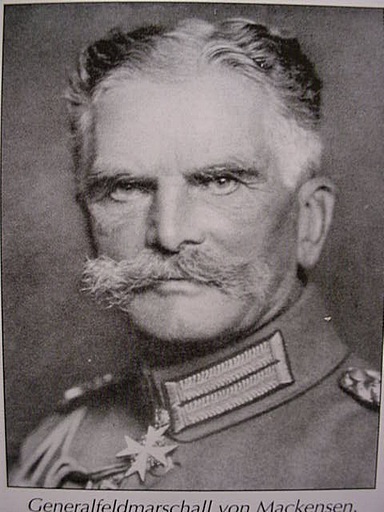
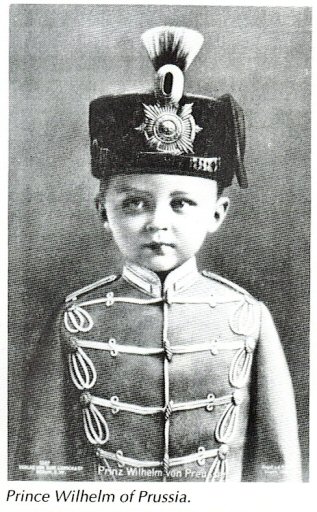
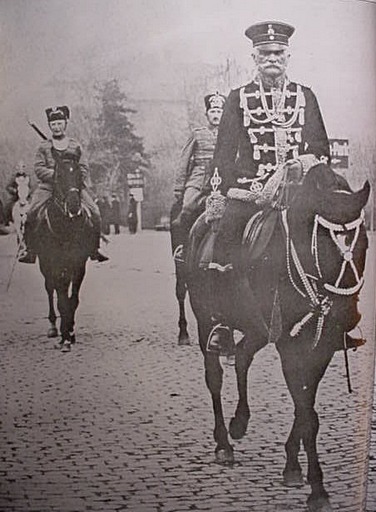
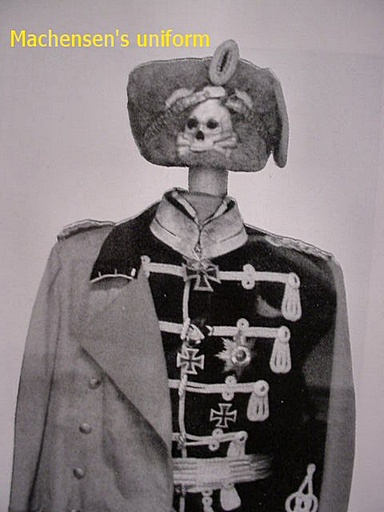
| DESCRIPTION:This is an extremely rare child's uniform piece. This distinctive piece of imperial headgear in the original form was the instantly recognizable mark of the elite First Hussars or Totenkopfhussaren (Death's Head Hussars Leib Regiment). This regiment struck fear into the hearts of the enemy in many battles. This was a light cavalry unit that dressed in elegant uniforms resplendent in braided and fur-trimmed jackets. The Hussars were mounted on the swiftest horses in the army. The daring charges of the Prussian Hussars became legendary. They were the bravest and most dashing! This Leib regiment stood out above the others. It dressed in black and took as its badge a skull. This symbolized to them the adage “death or glory.” They were famous for their bravery in numerous battles. They captured the eagle standard of the elite French 55th Line Infantry Regiment at the Battle of Leipzig in 1813. We should remember that the fiery Prussian Marshal Blucher (Marshal Vorwarts!) himself started his career as a Hussar officer, but the most famous of all the Death's Head Hussars of Germany was General Field Marshal Machensen. See our writings on him at KCLOTH 1-17. The field marshal was the most noble of the noble! The Busbee we offer here is not a full-sized service example, but a child's costume item that is almost more rare than the adult Busby. The Hussars were so admired that it was only natural that bronze statues, dramatic paintings, woodcuts, porcelains, etc., were found all through the time of the kings and Kaisers. Often, ladies who were related to royalty were seen posed in such uniforms. The Hussar officers were usually from the families of the royals or at least wealthy landed gentry. The child who wore the Totenkopf Hussar uniform was generally the chief of the costume party. Often it was the sons of the Hussars that were from time to time dressed up thusly for photographs. This Busby is remarkably accurate, although merely a look-alike. The skull is a bit different, but otherwise it is pretty much like the original’s to include the motto in the scroll that proclaims “With God for Kaiser and Fatherland” (“Mit Gott für Kaiser und Vaterland”). It is made from imitation fur and has a liner of leather. The condition is excellent and it is really a super little memento of the glory that was Wilhelmesque Germany: a time of culture awareness and refinement, but also a time of Teutonic power and discipline. “Der Kaiser ruft und wir folgen.”
PRICE: $1,200.00
|
|
|
|
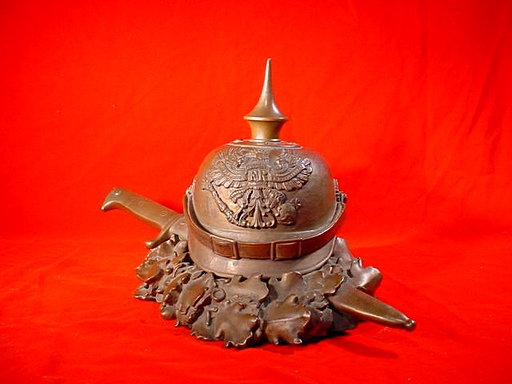
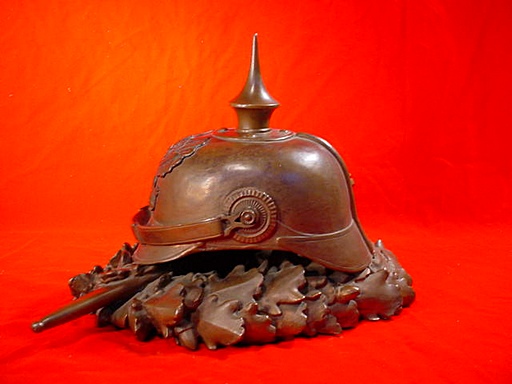
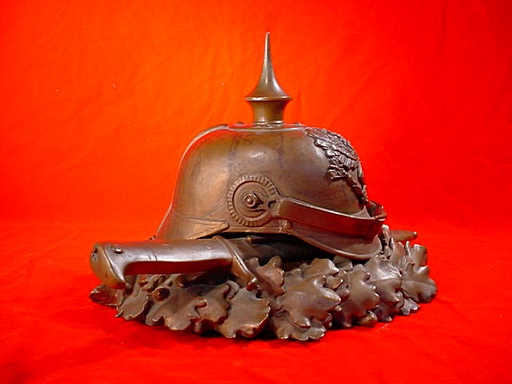
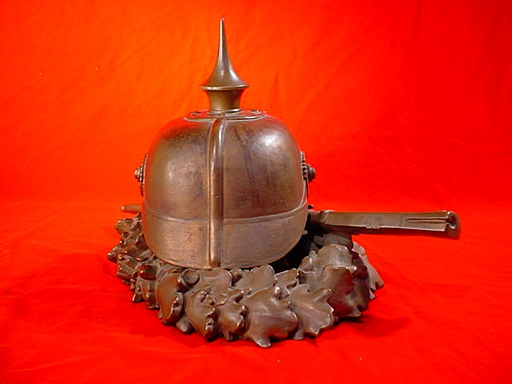
Bronze Sculpture of Prussian Helmet and Bayonet (Item KHELMET 2-10; KSTATUES 4-6; WWI 9-16)
|
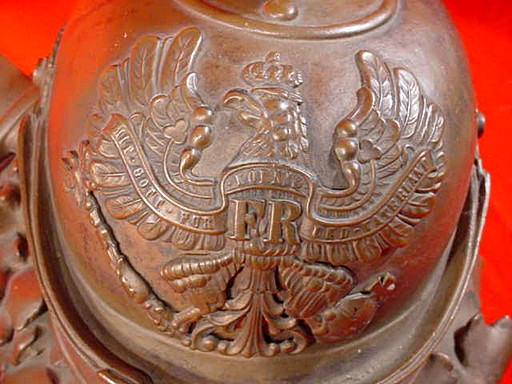
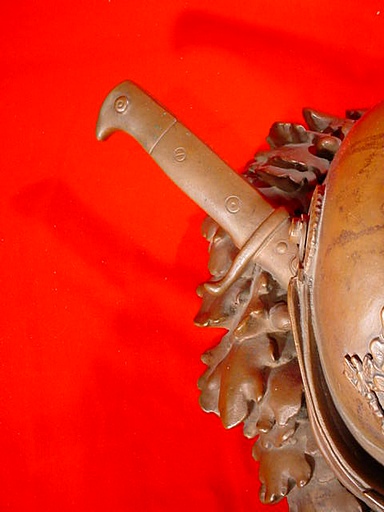
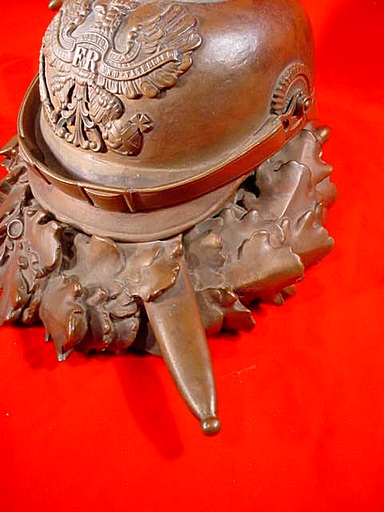
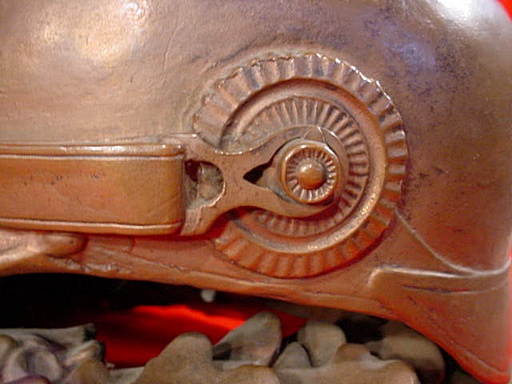
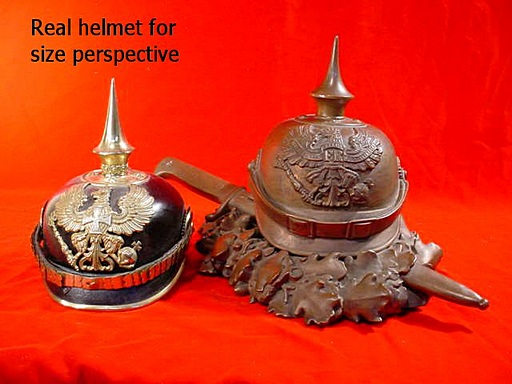
| DESCRIPTION:This is incredible, and out of our personal collection! For years it was our centerpiece when we had booths at military shows. We have never seen a more accurate bronze of a German Pickelhaube, the spiked helmet of the German Prussian army. For all its long history there has never been any piece of uniform gear so recognized. In its long history the spiked helmet has come to symbolize Prussian-ism, Kaiser-ism, Imperial Germany, and the First World War for millions of people. This is the most prominent feature of any collection of Imperial German militaria. It has come to epitomize the pride and power of the German army. In this wonderful depiction in bronze an unknown artist has sculpted a lasting monument to this piece of headgear virtually unequaled in the annals of military history for sheer beauty and design. The Pickelhaube, like the Kaiser's mustache when viewed, stands as sort of “a declaration of war,” or so said his adversaries and his admirers as well. The sculpture is in pure bronze with a wonderful patina. It sits on a great replicated Mauser GEW-98 bayonet and that in turn lays across a wreath of oak leaves and acorns, the symbol of Teutonic heroism and strength. The helmet and bayonet are in full life-size (incredible!). All the fittings are accurate to the nth degree. The eagle’s helmet plate is exactly like the original (size and style). The piece was undoubtedly made for an official display, possibly in a regimental headquarters to be viewed as one would enter the building. It might have been shown in a glass display case. We have observed two threaded mounting holes that are on the bottom. This was for attachment no doubt to a marble plinth, which obviously did not survive World War II. We bought this in Germany several years ago and never contemplated selling it; however, we had accumulated so many precious items in the past few years and we just have to do a turnover even if it means letting go of some of the irreplaceable items such as this. We would wager that this is unique; what more can we say? It is possibly the best bronze we have ever acquired, and we hope it gets a good home.
PRICE: SOLD
|
|
|
|
Prussian Garde Du Corps Helmet In Mint Condition (Item KHELMET 2-11, GDUCORPS 1-3)
|
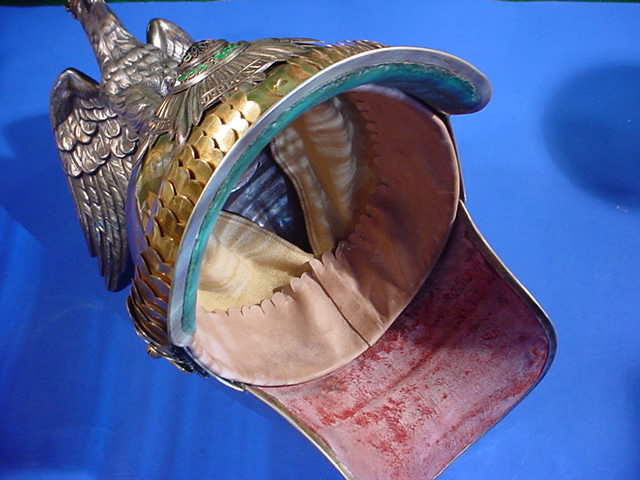
| DESCRIPTION:
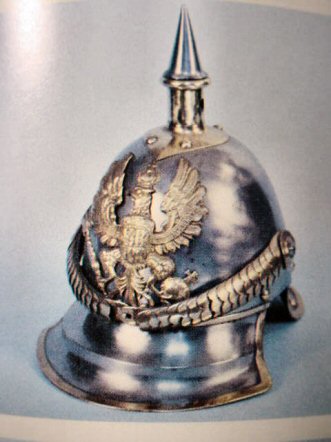
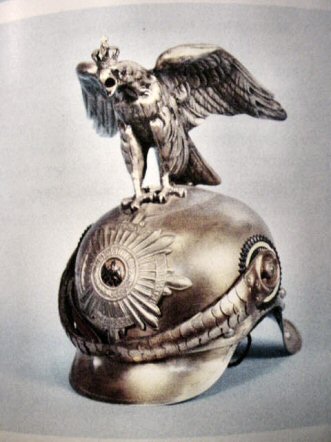
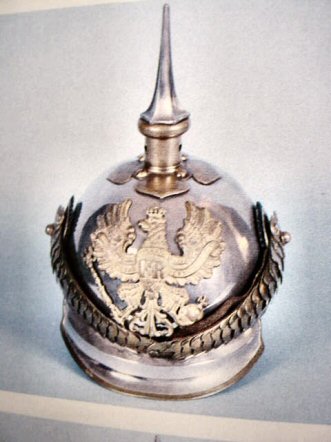
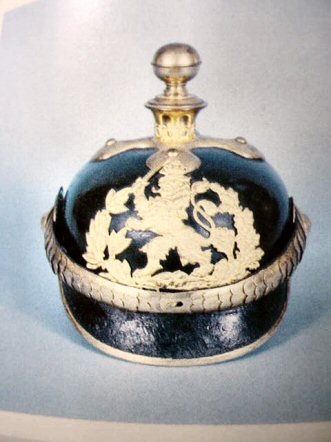
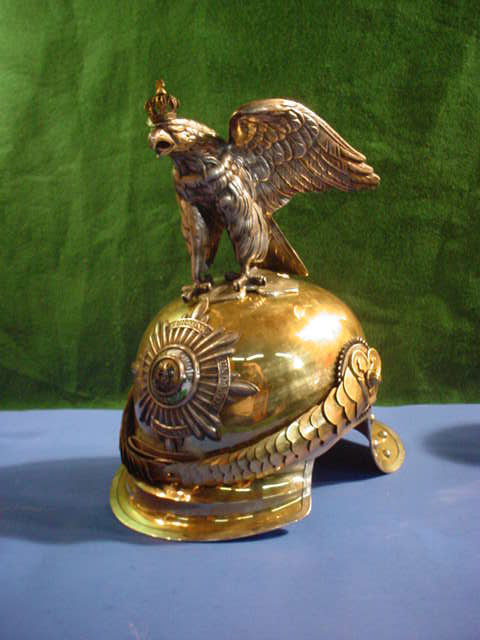
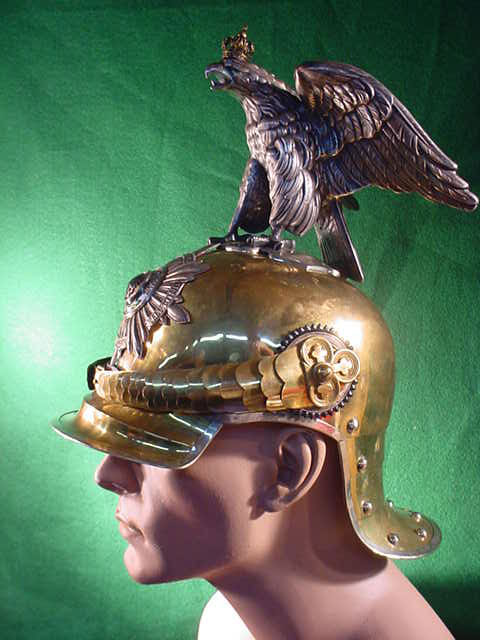
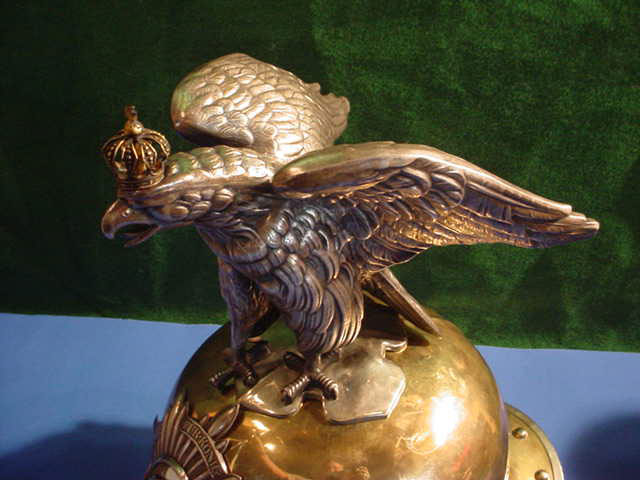
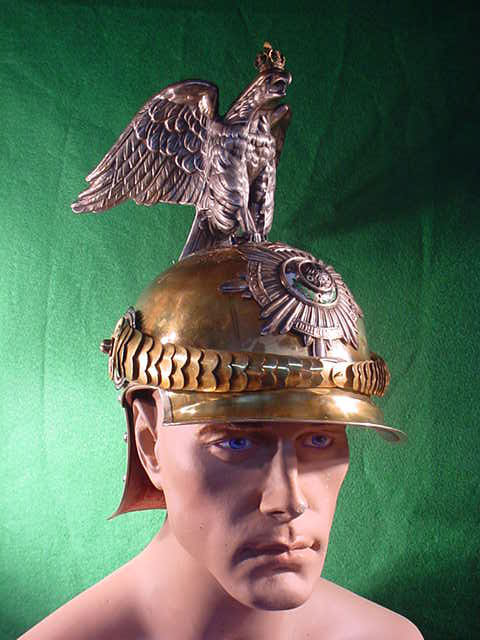
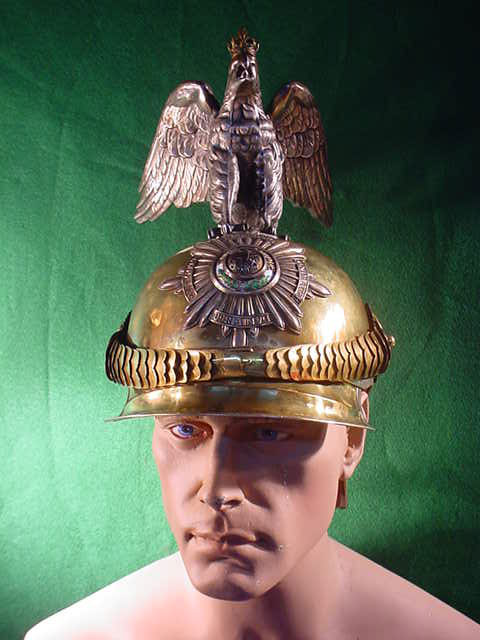
Here is an astoundingly beautiful helmet of a Garde du Corps officer in immaculate condition throughout. Never that we know of has such a beautiful example been offered on the worldwide web.
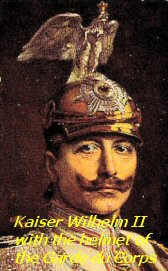
The Garde du Corps was the personal bodyguard of the king of Prussia and after 1871, the German emperor (in “German” Kaiser). It was founded in 1740 by Frederick the Great with Friedrich von Blumenthal as its first commander. He died suddenly in 1745, but his brother Hans von Blumenthal, who, with the other officers of the regiment had won the Pour le Merite at its first action at Hohenfriedberg, assumed command in 1747. Hans von Blumenthal was wounded leading the regiment in a successful cavalry charge at Lobositz and had to retire from the army. Initially the regiment was used partly as a training ground for officers as part of a programme of expansion of the cavalry. Early officers included the rake and memoirist Friedrich von der Trenck, who describes the arduous life of sleep deprivation and physical stress endured by officers, as well as the huge cost of belonging. The Cuirasses, for example, were silver-plated.
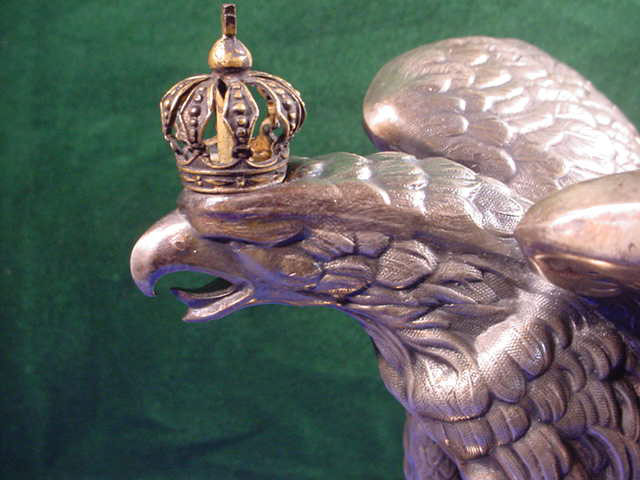
Unlike the rest of the Imperial German Army, the Garde du Corps was recruited nationally and eventually reached a full crops strength. The Regiment wore a white cuirassier uniform with certain special distinctions in full dress. These included a red tunic for officers in court dress and a white metal eagle posed as if to fly on the bronze helmet. Other unique features of the regiment’s full dress as worn until 1914, included a sleeveless supraweste with the star of the Order of the Black Eagle on front and back and the retention of black iron cuirasses edged with red, presented by the Russian Tsar in 1814. These replaced the normal white metal breastplates on certain special occasions.
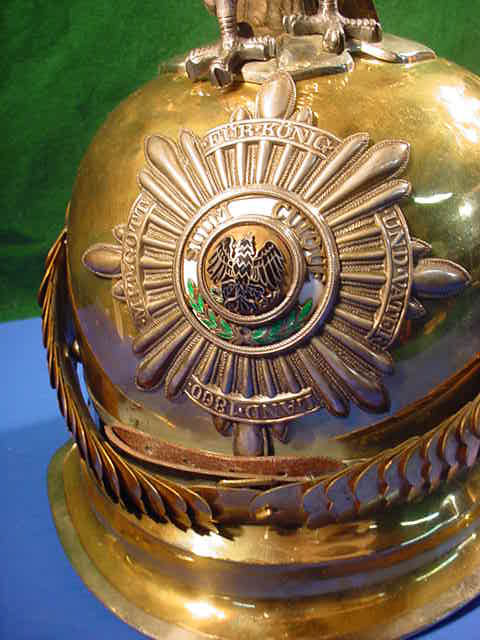
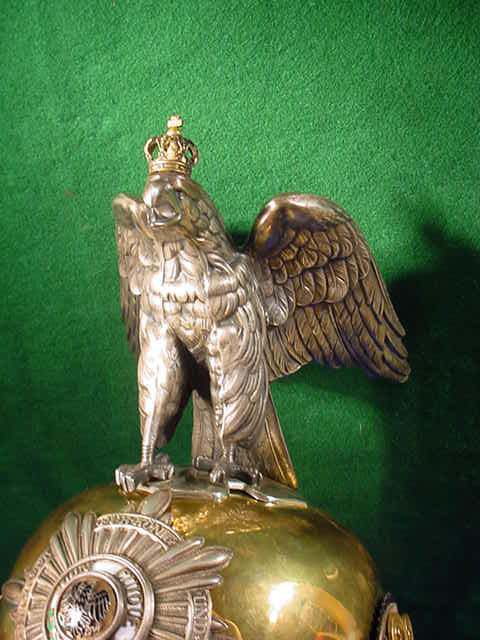
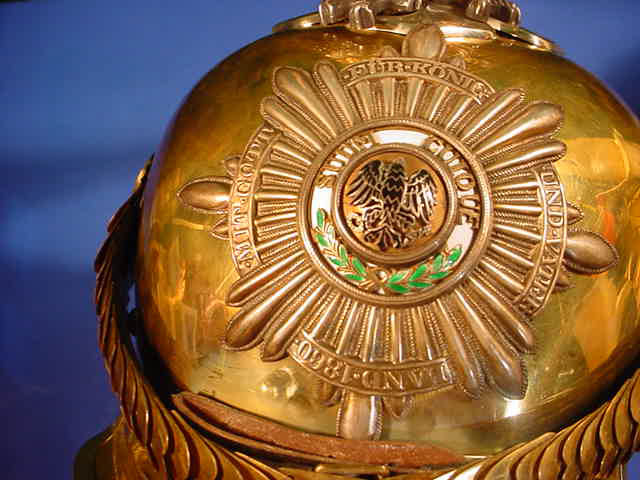
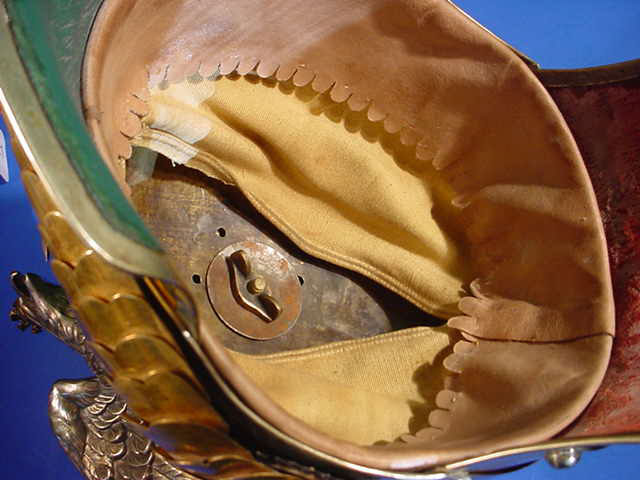
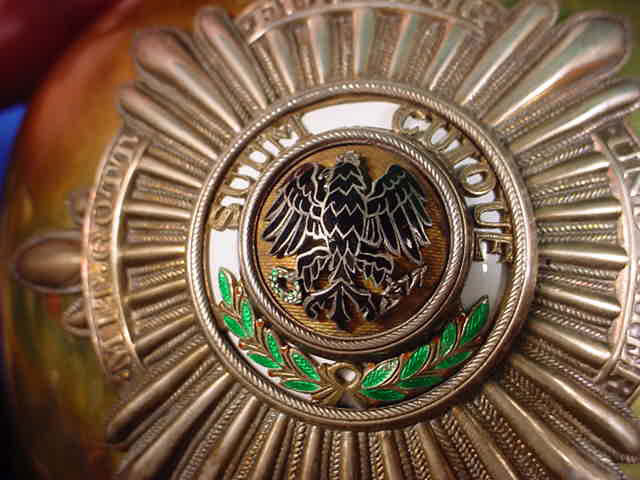
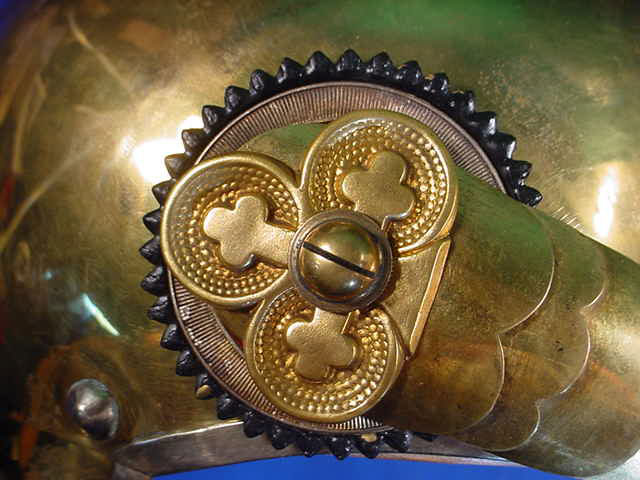
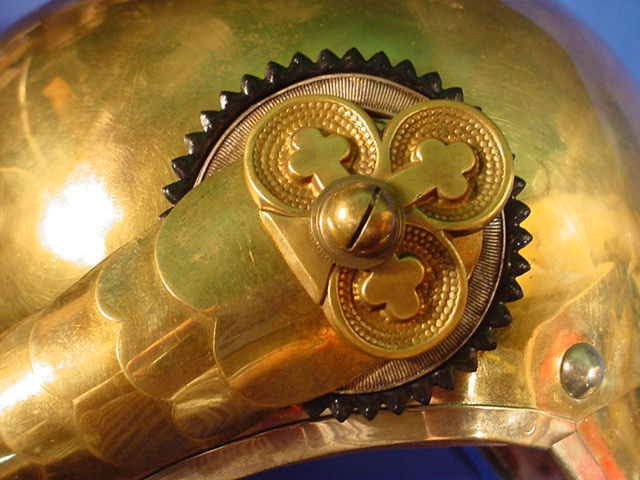
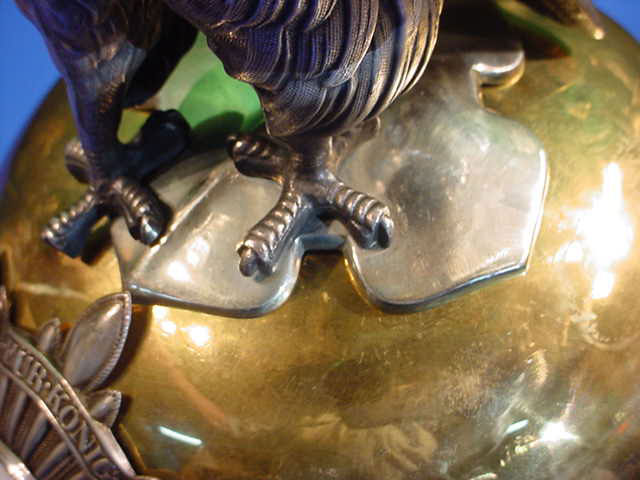
This helmet has the Tombak metallic body with large convex style gilt chin-scales secured to clover leaf rosettes; one with the colors of the German nation and the other the black and white Prussian colors. The parade eagle stands upon a silvered clover- leaf base the body of the eagle is silvered metal, the crown is in gilt for officer’s. The guard star frontplate is on silvered metal with an enameled black eagle order ensign in the center. The liner is intact made of a silk type but rugged material. The sweat band is perfect in soft leather. There are 4 extra holes for attachment of the spike for normal every day usage.
Inside the helmet is the washer with turn screw and bolt and under this is the makers mark that is J. Wagner and 1916 (date or mod.No?) This is the ‘finest’and is worth repeating. You will never, never, find a better one. This is truly the epitome of an excellent Imperial relic.
PRICE: Sold at auction.
|
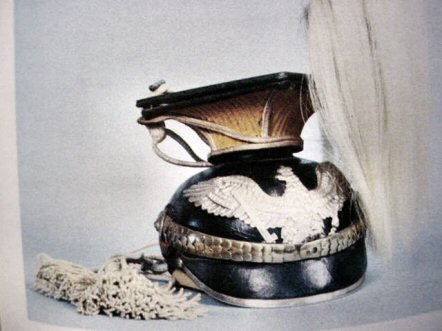
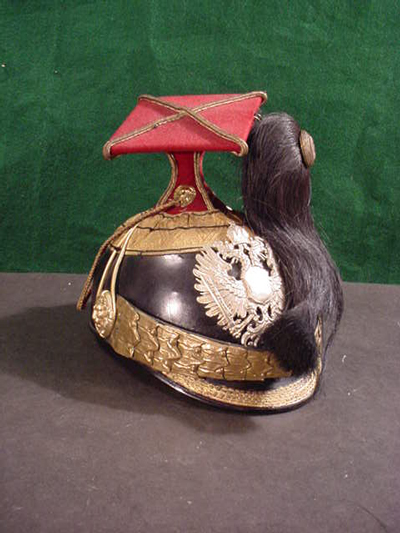
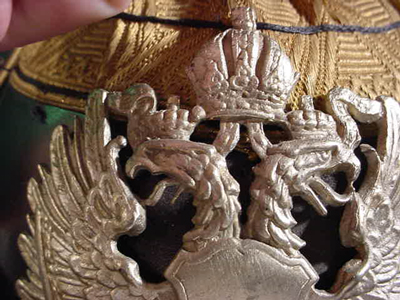
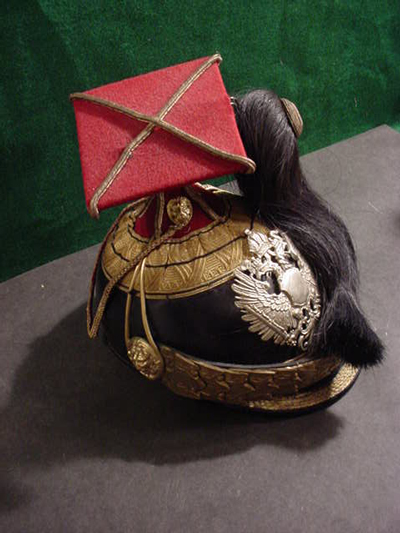
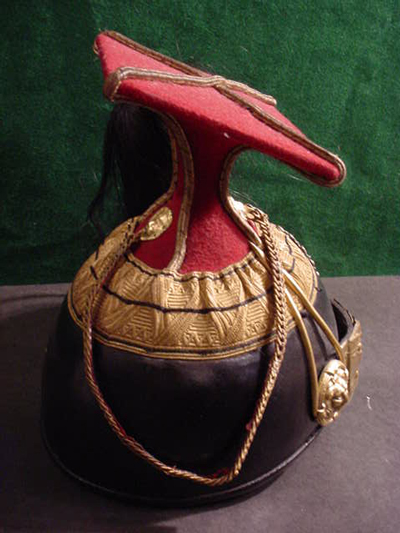
Austrian Tschapka of the Uhlan Regiments (Item KHELMET 2-12 & IMP 1-5) |
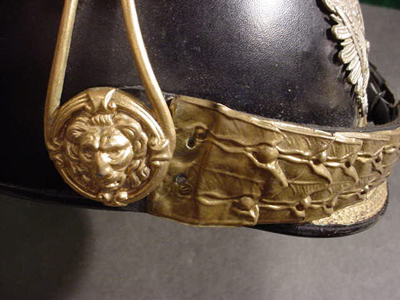
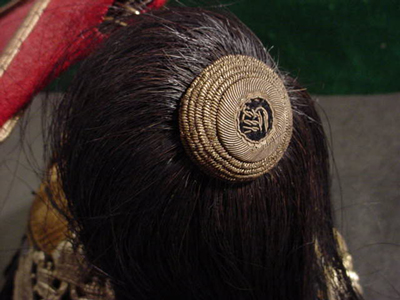
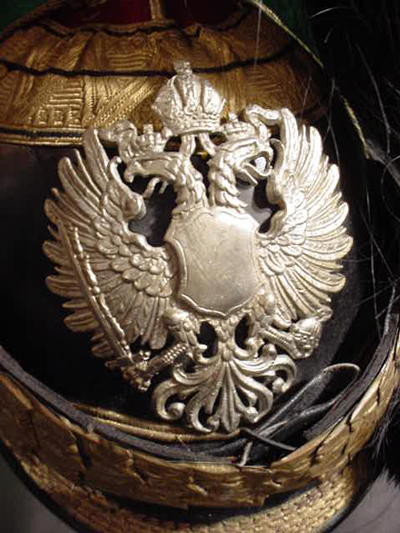
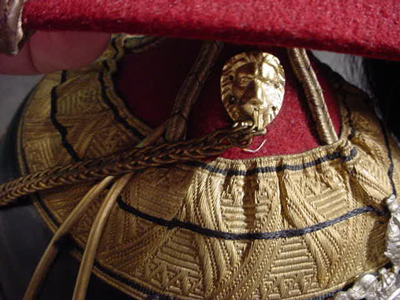
DESCRIPTION: This is the jaunty looking headgear of the Imperial Austrian Uhlans. The original word for the Tschapka comes from the Polish General description of a cap “Czapka” from 1784. The Tschapka was re-introduced by Austrian Uhlans (light cavalry). This was the time Galicia was under Hapsburg rule. Its use was spread from eastern Europe by the Polish legion fighting for the French in the Napoleonic Wars and became popular not only among Napoleon's French and allied forces such as Westphalia, Bavaria, and Saxony but also among the armies of his enemies but they were only used by these Uhlan units. At the end of the Napoleonic Wars, they continued to be worn by Uhlans in Germany and Austria. The German and Austro-Hungarian Uhlans wore this headgear during the first World Wars, beginning, though they were abolished for the Field Uniform, soon thereafter but it was only after the Polish Lancers proved their effectiveness during the Napoleonic Wars that armies across Europe quickly adopted the concept of the Lancer (Uhlan) regiments complete with the Tschapka as their headdresses. In 1914, Czapki were worn in full dress by all German, Austro-Hungarian, British, Belgian and Russian Uhlan Regiments. They varied in detail but all had the characteristic four sided top, resembling the mortar board of academic graduation. Austrian Lancers wore their Tschapka on active service during the opening weeks of the 1st World War usually with waterproof covers. Some feel that this rather gaudy looking headdress is not so militaristic looking while others feel it is the absolute epitome of dashing elegance and military glory. Certainly those who wore them were usually the flower and aristocracy of the military services. The elite!
This Tschapka is the most complete one we have ever beheld with all original parts. The horsehair plume is usually and almost invariably missing when one of these rare pieces is found and the cords, chin strap, eagle plate are all there and in ultra fine condition when even the embroidered roundel or feldzeichen is there with the FJR for Franz Joseph Reigns. The helmet is as close to perfect as we have ever seen. It is as good or better than the ones shown in the Austrian Museum. The leather liner is intact. The pictures attached are testimony to the excellence of this very rare relic of the “better time” -- a collector would do well to acquire this wonderful Tschapka.
PRICE: SOLD
|
A Prussian Infantry Officers Helmet M/1871 (Item KHELMET 2-13) |
DESCRIPTION: You see this beautiful helmet (pickelhaube) in the form as worn from 1897 onward. This helmet dates about 1914 and is in remarkable condition throughout. Almost invariably these helmets when found are quite cracked in the leather portion. The only apparent creasing to be seen is slightly on the back visor of this one. The threads are firm that hold the visors in place. The Prussian eagle is in bright gold finish with some gilting distressed on the right feathered wing as you view it in the attached pictures. This can be easily remedied but we would not do it because to us it looks fine and ‘glorious’ for a piece of headgear over 95 years old. The black, white, red two piece rosette on the left and the black and white Prussian rossette are intact and original! All the brass fittings are firmly attached and in fine shape including the chin scales. The liner is intact and in great shape (very unusual!). All screws and washers are original and all there (also unusual!). Spike is undented (rare) this is undoubtedly the best one we have ever encountered in a Prussian line officer’s helmet. You know how rare and practically unobtainable these items are today in any kind of condition and this one is exceptional and probably the one you have been waiting for and thought would never come up.
PRICE: SOLD |
 Landwehr device
 |
|
|
|
|
|
|
 Silk liner
 |
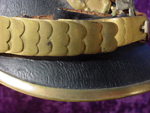 Chin scales
 |
|
|
|
|
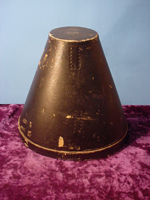 Storage case
 |
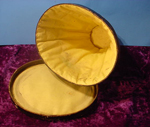 Liner in case
 |
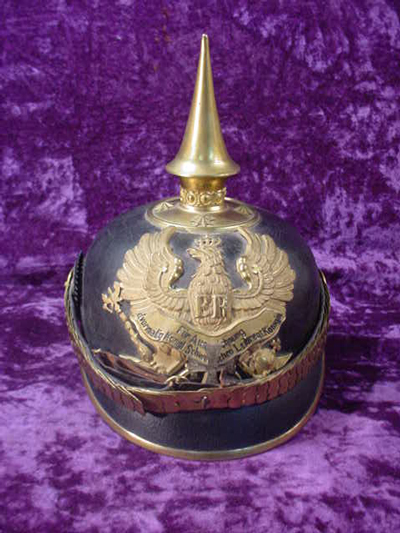
A Pickelhaube Spiked Helmet of the 34 Infantry Regiment (Item KHELMET 2-14 & KSPEC 1-1) |
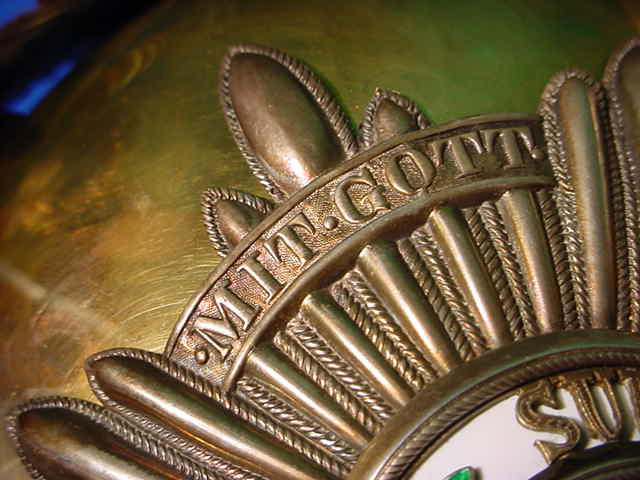
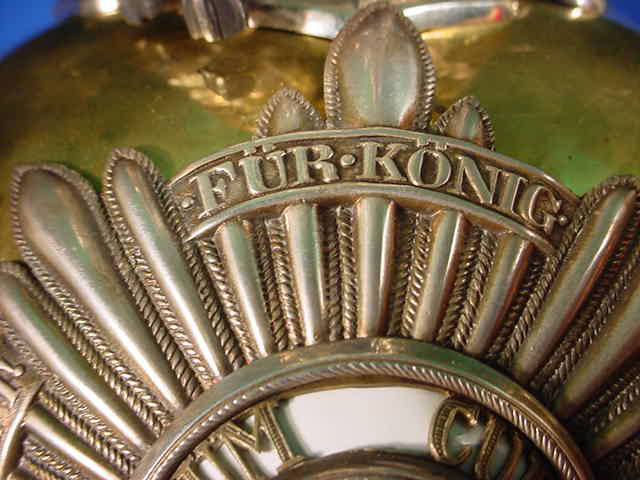
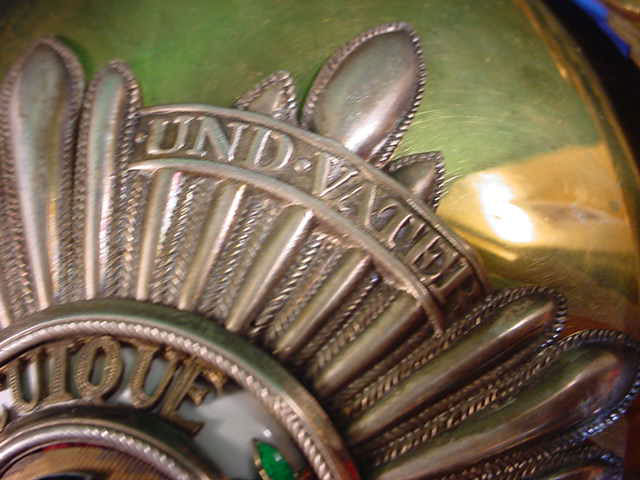
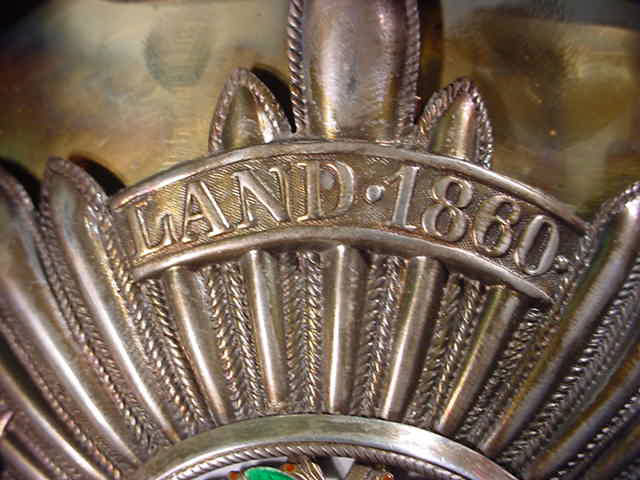
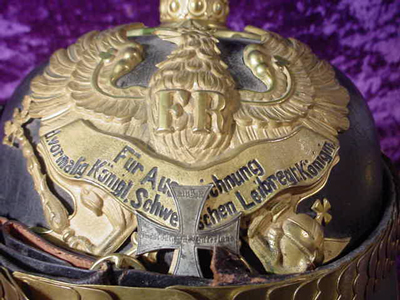
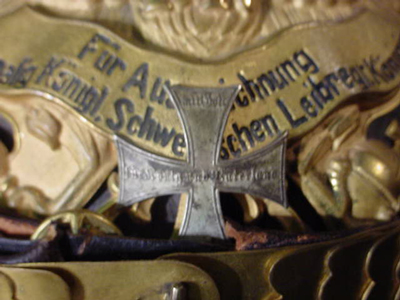
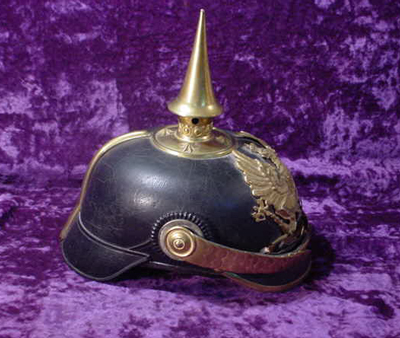
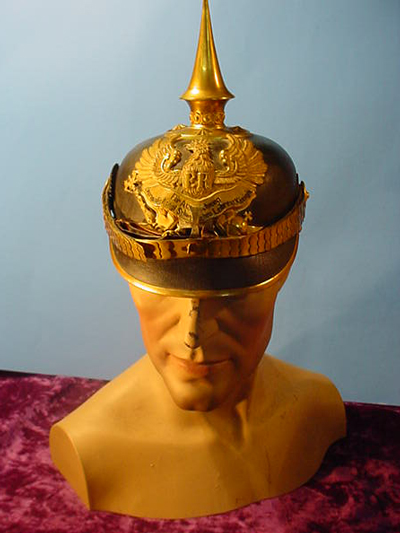
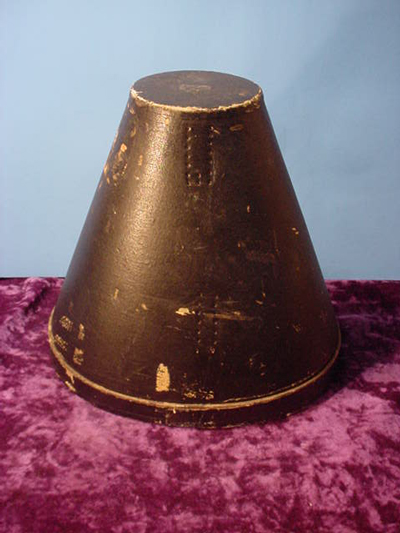
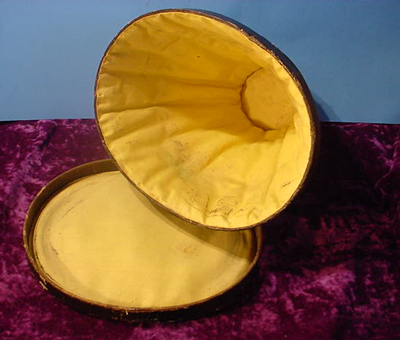
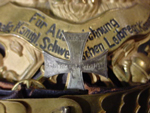
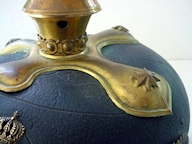
DESCRIPTION: This is one of the most rare of all the Pickelhauben we have ever had to offer, it is the Prussian Landwehr Infantry Regiment No. 34 Officers spiked helmet. This elite regiment was formed as the guard Regt. of Queen Victoria of Sweden in earlier times. The front plate consists of the Prussian Heraldic Eagle bearing a scroll upon its lower body which is inscribed ‘Fur Auszeichnung D’ Vormaligen. Königl. Schwedischen Leibregt. Königin” (In Commemoration of former service in the Kingdom of Sweden’s Queens Body Guard Regiment.) This special helmet plate was authorized on December 5th 1865 for enlisted and NCO personnel in the 33rd regt. Officers received the device from May 19, 1891 to include the 34th Infantry Regiment. The confusion comes in when we try to figure out if the 34th was an Infantry regt. or Fusilier Regt., but this helmet is designed for Landwehr because of the silver iron cross mounted in front of the plate. All we know is that they were an elite regiment in any case and the helmet is in practically immaculate condition and is considered very rare by advanced helmet collectors. The helmet has the black leather body with gilt furniture including spike, round base, star stud retainers, visor trim and flat infantry style scaled chin straps. The latter secured to the helmet body by gilt rosettes and the left side has the Prussian black and white large rosette as well. The helmet has its original carrying case but the straps and buckles are history (gone!). The silver plated Landwehr iron cross is inscribed ‘Mit Gott Fur Konig und Vaterland’ 1813. This designates the wearer as a member of the Landwehr and the translation is ‘With God for King and Fatherland”. The Landwehr term as used refers to the Royal Edict of 17 March 1813 which called up all men capable of bearing arms between the ages of 18 and 45. After 1815 this force was made an integral part of the Prussian Army, each Brigade consisting of one line and one Landwehr Regiment.
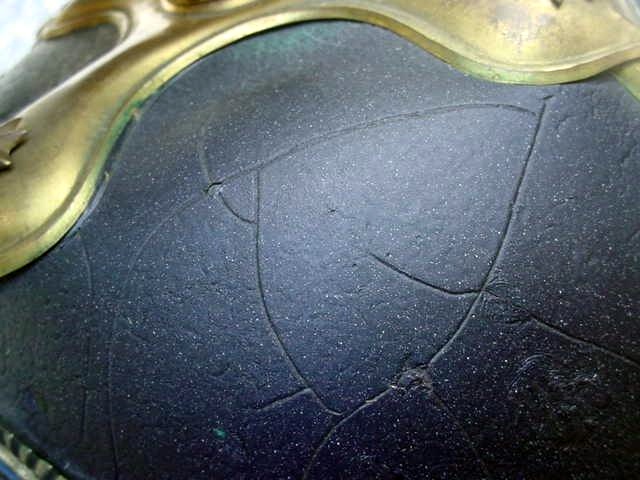
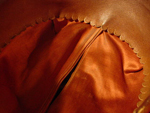
The helmet is in beautiful condition with the usual leather crazing, but the lightest I have ever seen on a helmet of this age. It is only noticeable when viewing it very close up, all metal parts are perfect. The leather sweat band is in fine shape as is the inside silk head liner. No extra holds anywhere! The leather strap that sits back of the chin scales is a bit worse for wear but is there!. This is the finest and the most rare spike helmet that we have ever offered in officers Pickelhauben. And how many fine officer grade examples are available today. I would venture not many in any shape-not many at all! Here is a collector’s item extraordinaire! I am practically sure it will not be seen again except for the one or two that repose in museums. Germania scores again!
PRICE: $9,550.00 NO LONGER AVAILABLE |
|
| 
|
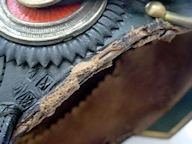
Shows slight damage
|
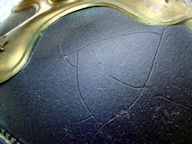
Slight crazing
|
|
|
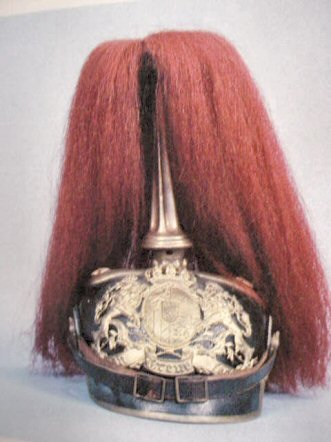
Bavarian Pickelhaube (Spike Helmet) (Item KHELMET 2-15; WWI 12-14)
|
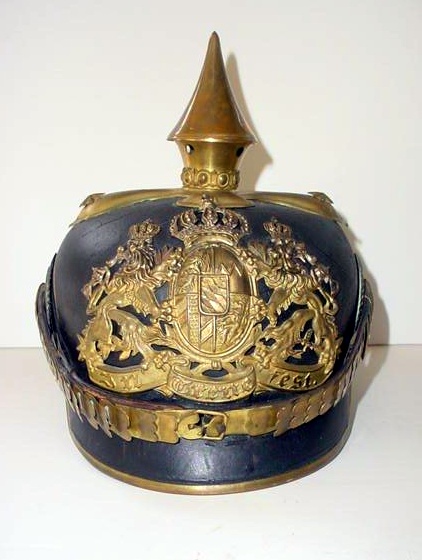
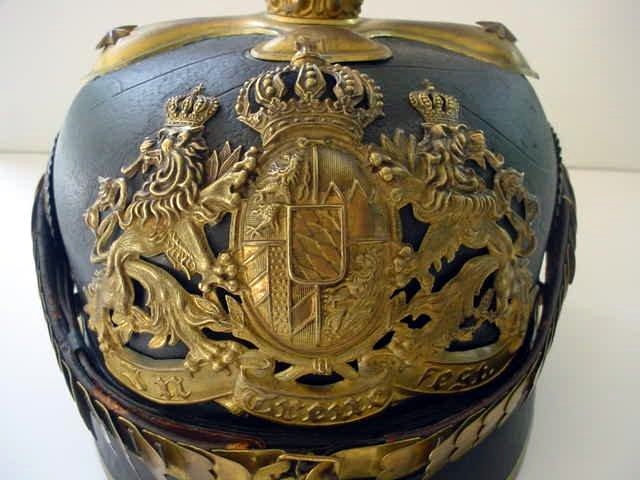
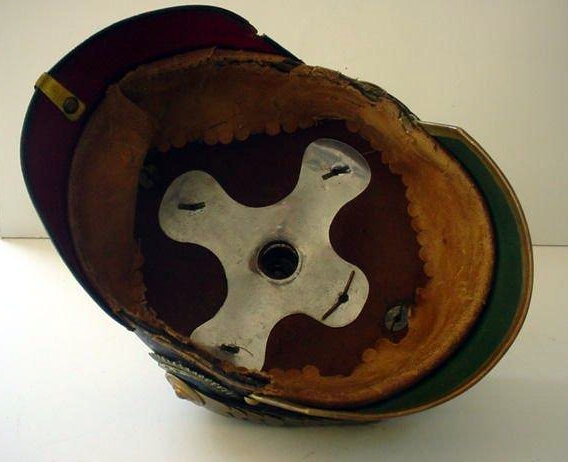
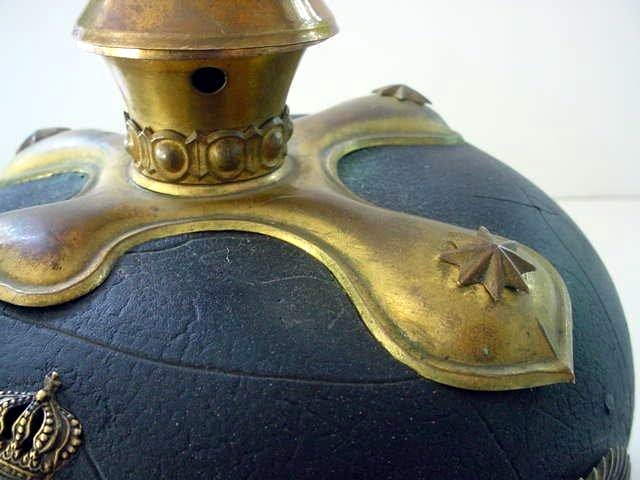
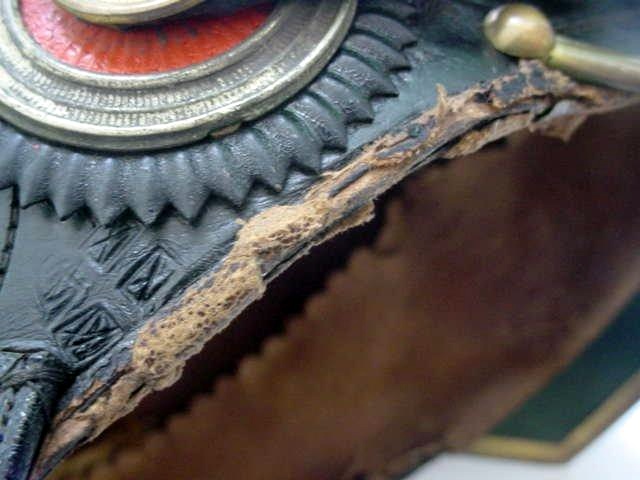
| DESCRIPTION: Here is a very nice example of a Bavarian officer’s dress helmet as used between 1900 and 1913. It’s in fairly good shape with slight crazing in the leather and some damage at the sides near the rosettes on each side. The overall condition is about 85 percent; the helmet is good looking and with sharp detail to the helmet plate. These are becoming very scarce and soon I am sure hardly any will be available in any condition at all. This one is certainly worthy of display in any museum setting or in a fine collection. The Bavarian officer helmets are much scarcer than the Prussian ones. The inner silk liner is missing and probably was removed by a previous collector. Why? Well, this helmet was most definitely used and used often on the front and home front. It was no “wilting violet”! It saw action! And in daily wear these liners seldom outlast the leather parts and most of them you see that saw front line action are that way, today. But, again look at the spectacular condition of the outside of this great helmet. They really are not found often in this sound a condition. Other ranks’ equipment is generally in much worse condition because of rough wear in rough conditions.
This is a good, honest example of a rare piece of Imperial Bavarian wartime headgear.
PRICE: $1,600.00
|
|

|
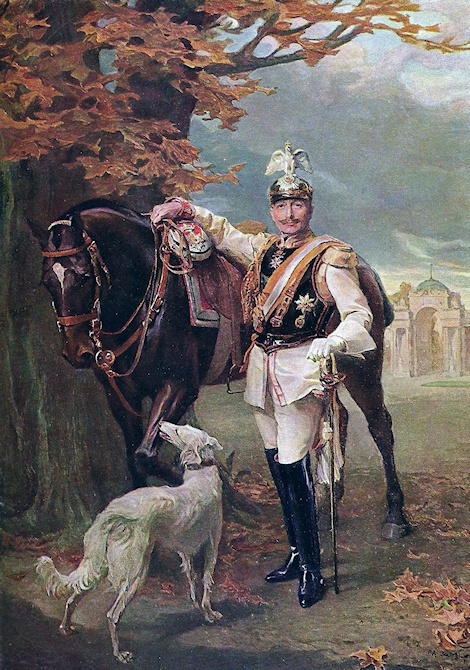
Kaiser Wilhelm in the dress uniform of the Gardes du Corps
|
|
|
Spectacular Helmet and Cuirass of the 2nd Garde Regt. of the Gardes du Corps (Item KHELMET 2-16; GDUCORP 1-8)
|
| DESCRIPTION: Here, in all its glory, is an eagle-top parade helmet and cuirass of the elite Gardes du Corps of the royal bodyguard regiment of the Kaiser’s guard formations
This is the regalia of the enlisted personnel of this elite formation. For more information about this illustrious military unit of Prussia read the other descriptions that accompany other such offerings, above. Like the Allgemeine-SS Leibstandarte-AH that developed later as the epitome of elite soldiers of the state security forces, the Gardes du Corps also marched to the cheers and ovations of the people who thronged the streets for the dress parades through Berlin. The membership to this corps was usually reserved for the sons of nobility and was limited to a small, but specially selected, recruitment of aristocratic candidates. They were basically a cavalry regiment, which actually fought bravely in the campaign of 1866 against Austria. They covered themselves with the laurels of victory and glory at the battles of Skalitz, Schweinschädel, and Königgrätz. The music composed that went by the name of ”Militärmarsch Preußens Gloria” (“Prussia’s Glory”) was written in honor of this regiment. They made an imposing sight as seen about the Hohenzollern Palaces with their white uniforms, white horses, and eagle-topped helmets. The officers wore the same uniform basically as the enlisted personal except for a few exceptions; they wore silver regimental cyphers on their ammo pouches, their cuirass had a silver-enameled Prussian crest instead of the one made of zinc as seen on the enlisted ranks, they wore a holster cover with the Gardes star backed with enamel, and the star on the helmet was enameled and much more pronounced and of jeweler-made quality. See the officer’s helmet at KHELMET 2-11 above; also see the "Guestbook of a Regiment of the Gardes du Corps" at GDUCORP 1-7 for an excellent image of the officer’s helmet plate; the enlisted plate is in two-piece construction the small eagle in the center being a separate attachment. The enlisted-man’s style also has a football-shaped base under the eagle’s feet while the officer’s has a cloverleaf design. There is a single dent in the cuirass that looks like a musket ball hit, but I doubt that. More likely it is from a fall from a horse during the constant everyday practice at horsemanship experienced by these horse troopers when not on parade. Prussia, one of the horse-loving countries, possessed horses in plenty and of course furnished men for the cavalry who from their childhood were at home in the saddle. As cavalrymen all of the various rider regiments enjoyed great reputations in Europe and especially the Gardes du Corps. Since the time of the great Frederick II Prussian cavalry had a reputation that struck awe. Under such leaders as the renowned Friedrich von Seydlitz the Prussian cavalry achieved the great state of perfection. So great was its reputation in the Seven Years’ War that Napoleon—remembering that—made a special point of warning his officers and men in 1806 to beware of the Prussian cavalry!
We offer this outfit helmet and cuirass to museums or a dedicated collector in the hopes that it will find a good home. It is a very exciting and historically important find and extremely rare. A helmet similar to this was in Cowan’s Auctions in April and brought $3,450, but unlike the one we offer, it was severely damaged and repaired in several places. The cockade was a plastic replacement and the scale buckle was missing. The liner was missing and the visor’s interior had been repainted.
I would call the condition 65 percent, while ours is 98 percent. The cuirass is always much more rare than the helmet and it is also in top condition with the hinged back and chest straps with chain upon leather. (Usually missing on examples found.)
So, if we want to talk extreme rarity and desirability beyond collector comprehension, here it is. Nothing could garner more attention in your collection than this ensemble. The crème de la crème!.
PRICE: SOLD
|
|
|
|
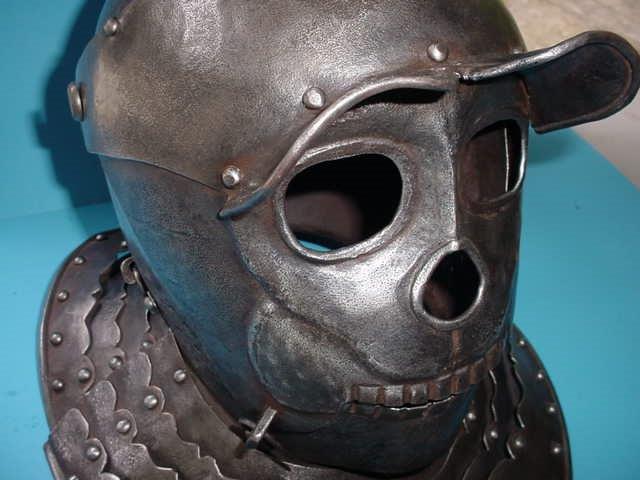
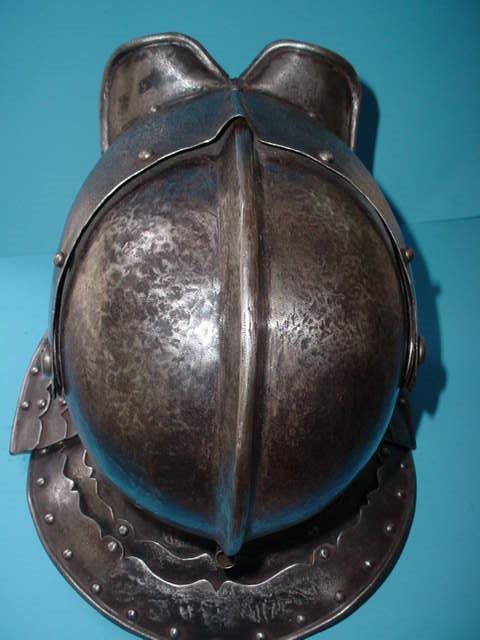
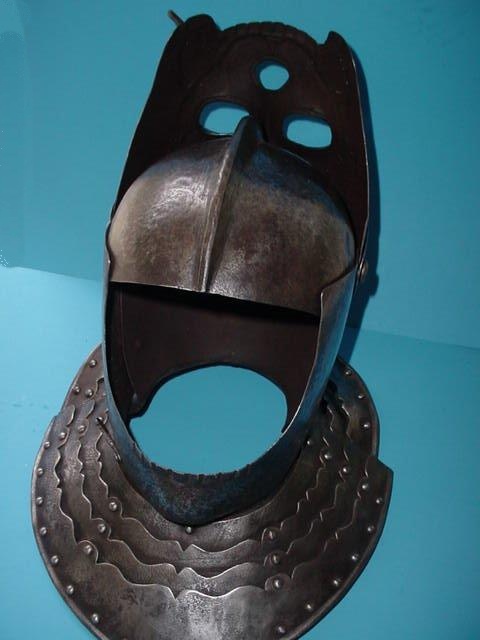
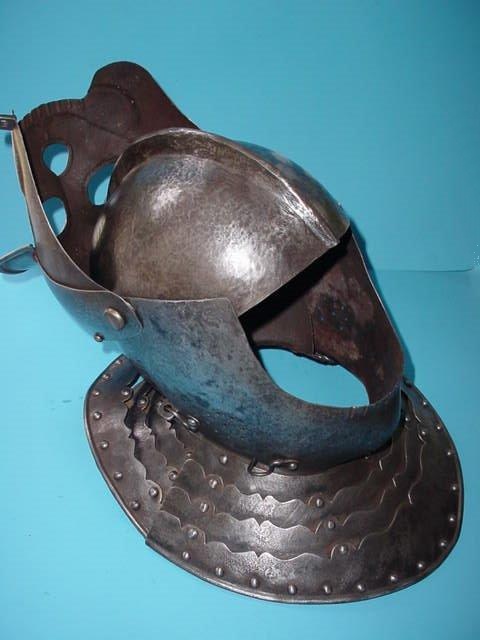
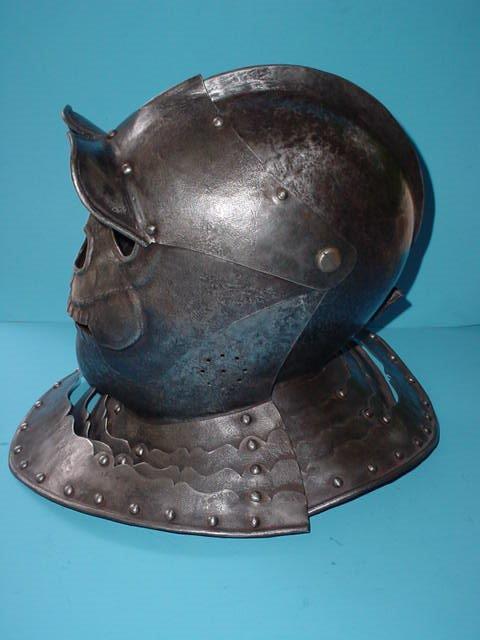
Savoyard Helmet (The Original Totenkopf Helmet–1600) (Item KHELMET 2-17; KWEP 5-10; KSPEC 1-6; ANTWEP 1-7)
|
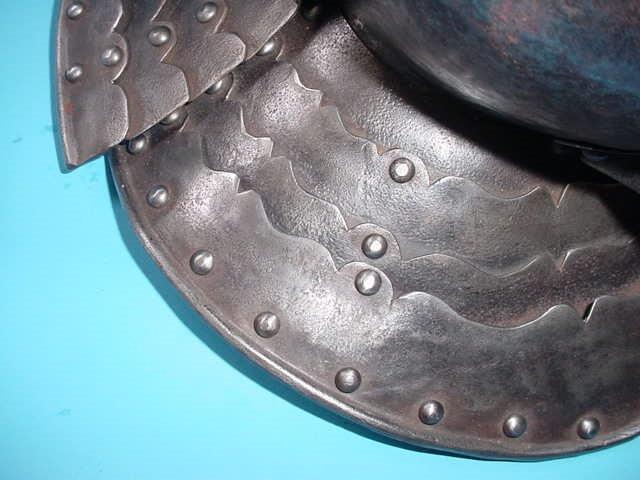
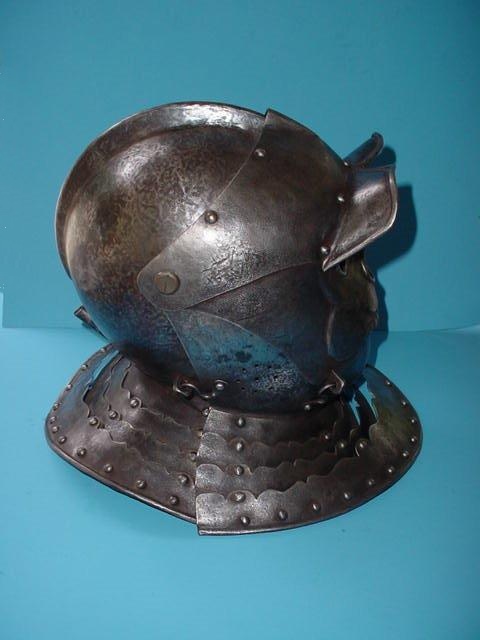
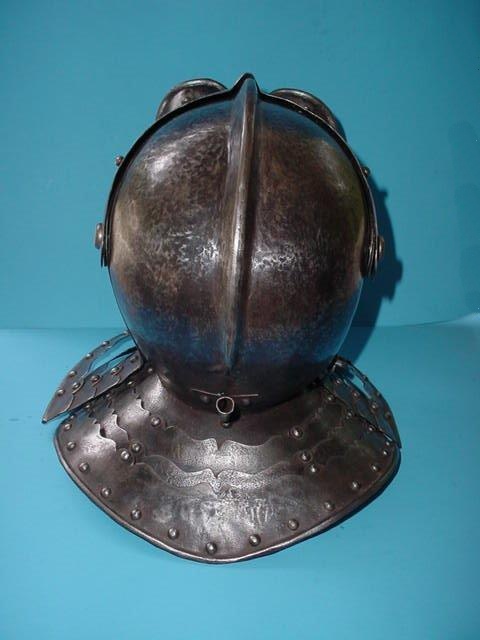
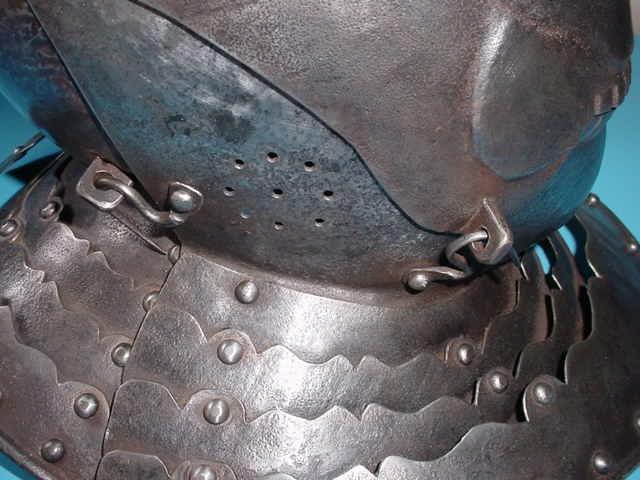
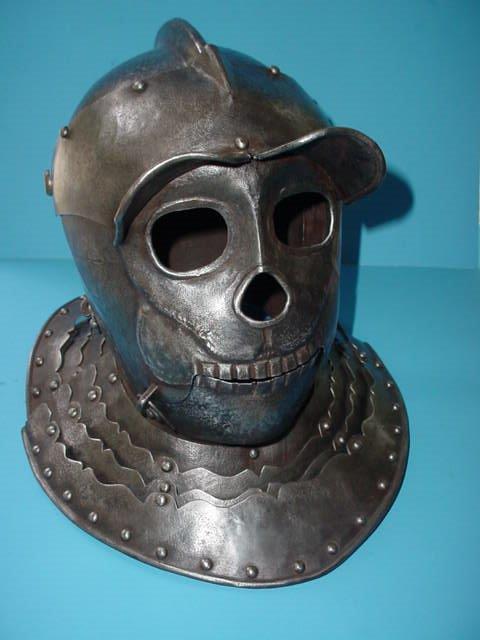
DESCRIPTION: We are proud to offer an original Savoyard helmet from the era of 1600. Head pieces of this distinctive fashion were intended for wear by the mounted Cuirassier or heavy cavalryman. They are usually referred to as “Savoyard” helmets from the tradition that large numbers of them in Les Musées d’Arte et d’Histoire in Geneva were taken as booty from the troops of Charles Emmanuel I of Savoy following their unsuccessful assault on the city of Geneva on the night of 11 December 1602. (See Claude Blair European Armous London 1958 P. 150 and Jose A Goday “Los Armets Savoyards Du Musee D’ Arte Et D’ Histoire De Geneve N.S. Vol. L 2002 PP 11-97.) The helmet was known as Todenkopf or in more modern German Totenkopf (Death’s Head). This term arises from the German denotation for skull, Saxony being a Germanic Provence. The name emanates from the terrifying appearance of this helmet with its black-hued surface and the visor in the shape of a stylized grotesque face with dark eyeholes. Being the elite troops of the early 17th century the Savoyard were the heavy cavalry. Charles Emanuel, Duke of Savoy, contributed significantly to the reputation of this Totenkopf cavalry and led to the denotation–Savoyard helmet. So it occurs that in 1602 Charles attempted to besiege the city of Geneva and commanded 2000 combatants to surround the city walls during the night of December 11. When the ring was closed at 2 o’clock the duke implemented an interesting maneuver. The 200 members of the heavy cavalry were ordered to dismount and climb the walls in their impressive armor and Totenkopf helmets using the element of surprise. The guards were to be “overmastered” (slain) in order to open the city gate for the main forces to enter; however, the alarm was raised by a night watchman and Geneva’s militia rose to meet the invaders. The attempted raid was a disastrous failure. Fifty-four Savoyards were killed and many more captured. Charles Emmanuels’ army retreated in a panic and the Savoyard prisoners were executed. Until the present day, the events of the Geneva raid and the successful defense of the city are celebrated each year at the festivities of the Escalade de Genève. Defeating the invaders, Geneva’s militia captured their plate armor which became a kind of war trophy. Some of the pieces are on view at Geneva’s Musées d’Arte et d’Histoire. Other helmets entered the art market in the course of time. Possibly, this helmet that we offer was once a trophy from this battle. On the other hand, the term “Savoyard” helmet being known as such from the events of Geneva shall not lead to the conclusion that this style helmet subsequently was not used by other heavy cavalry on the continent though it was most assuredly Germanic.
The Helmet
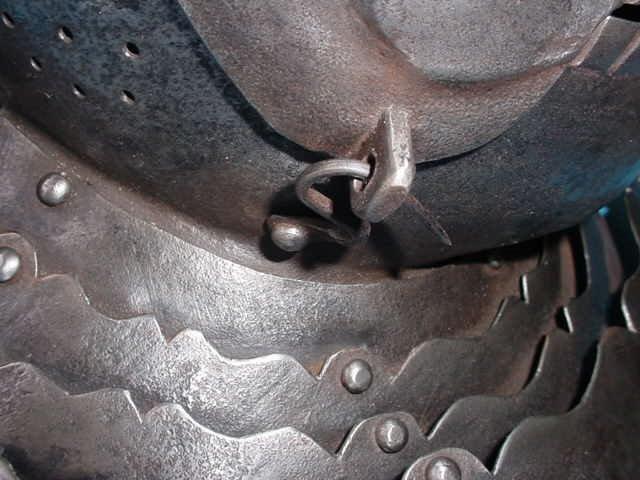
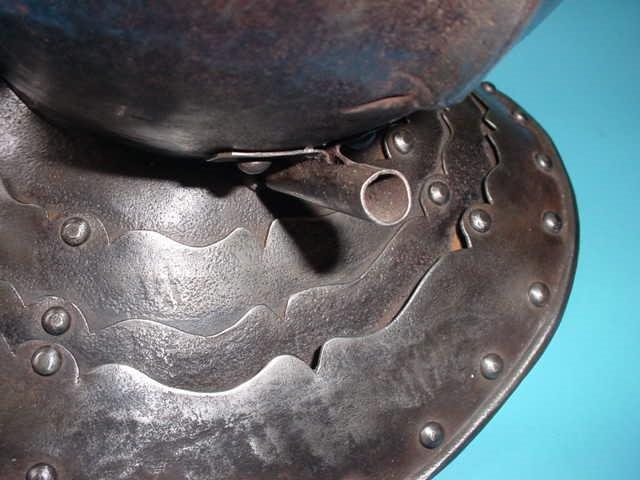
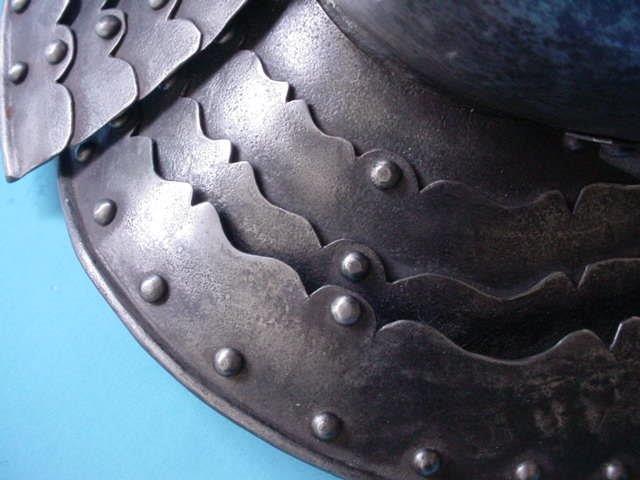
The measurements are 13 inches high from the end of the bib collar to the top comb of the headpiece. It measures 1 foot across from side to side of the collar. There is a little hook device that holds the helmet in place until it is ready to be worn. This is found just above the collar and attaches to the faceplate. This must be released also before pulling the entire mask upward to reveal the man’s face. Unique to this style of helmet are the sunshades over the eyeholes giving an even greater grotesque appearance, but this might also deflect direct sword slashes that would be directed toward the head. The collar is constructed of three layers of iron gorgets pinioned by numerous round-top rivet-looking pieces securely fastened, but giving flexibility to the wearer to move upward and downward at will. At the back there is a plume holder that would accept a colorful feather display worn at victory parades and official reviews. The helmet is in truly remarkable condition throughout and is certainly a genuine museum piece and a worthy relic of the days of knightly valor and high adventure!
PRICE: SOLD
|
|
|
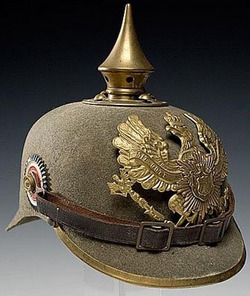
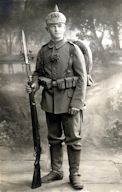
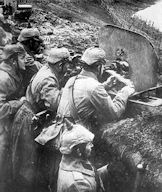
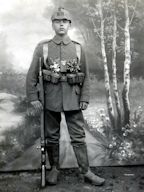
Here is a Prussian ersatz helmet
|
|
|
|
|
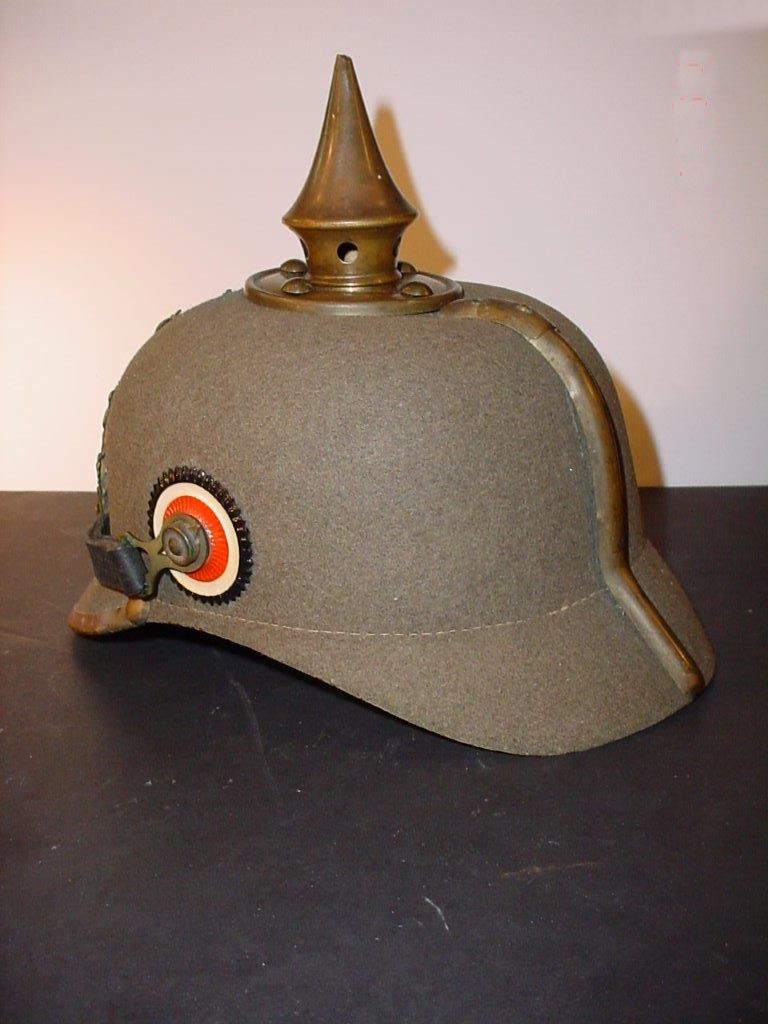
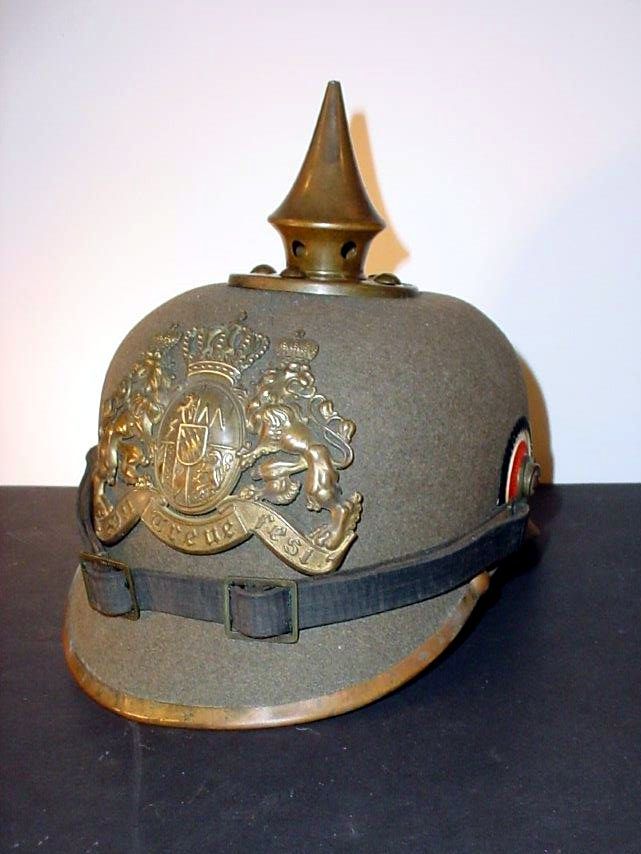
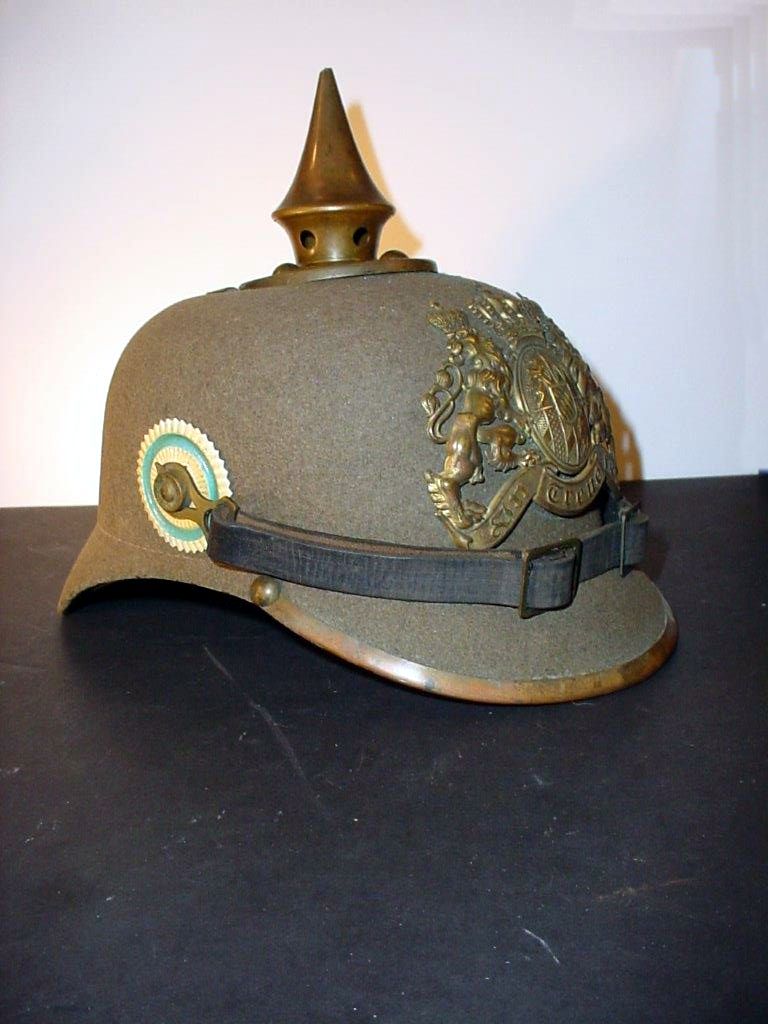
WW I Bavarian Ersatz Felt Pickelhaube (Spiked Helmet) (Extra Rare!) (Item KHELMET 2-18; WWI 12-27)
|
|
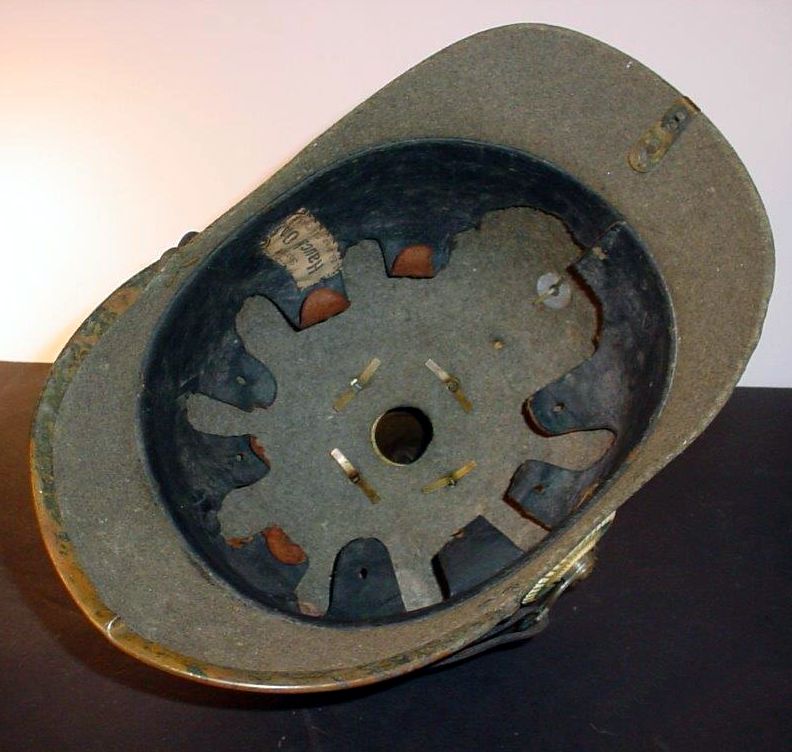
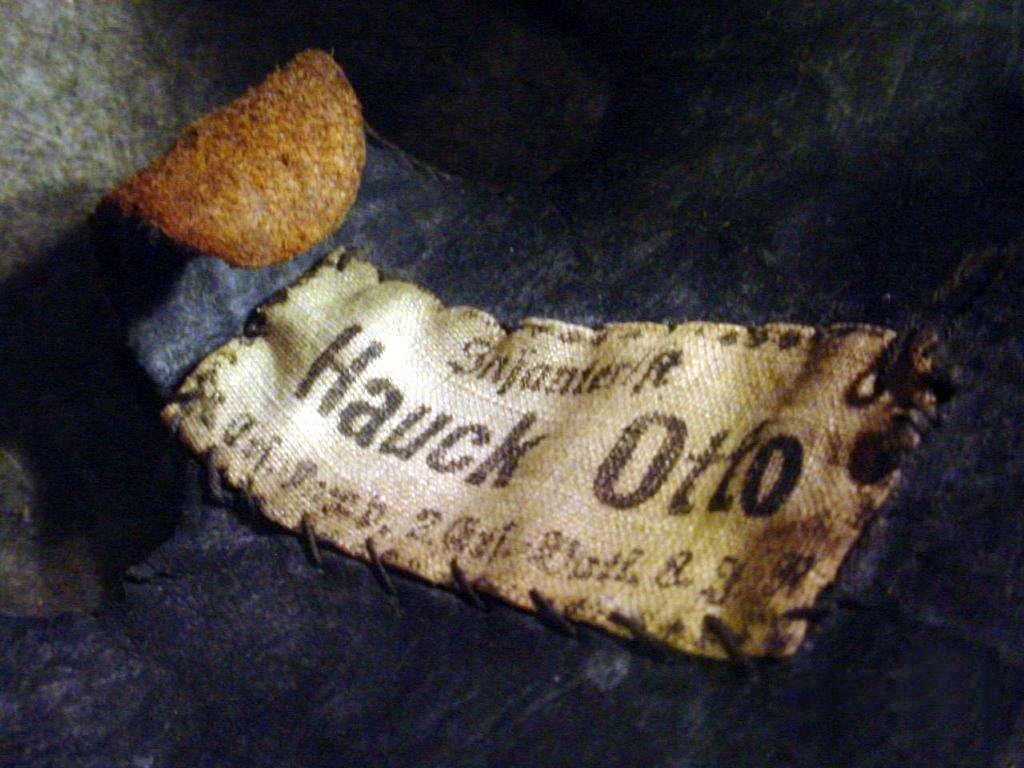
DESCRIPTION: Here is the finest felt spiked helmet we have ever had or even seen. Because of the material most all of them encountered are pretty much mangled after over 100 years—scuffed, bruised, bashed, etc. But this one for the most part is positively pristine! The leather chin strap is intact and unbroken. The right side nautical color cockade is black, white, and red and the Bavarian cockade is blue and white. Just as they should be. The top of the spike has a little practically unnoticeable dent. The liner is all there and inside is a little label sewn to the liner that reads: “Hauck Otto” followed by some regimental identification. Ersatz helmets in the Bavarian army were adopted in 1915 and ersatz means replacement and these were for sure replacements for the leather ones when the war blockade prevented the importation of cowhide from Argentina to Germany. This helmet has prewar brass fittings that are 100-percent correct. Others we have seen had grey metallic pewter fittings and were not so glamorous looking; however, both sets of fittings would be authentic and correct. This one however is very special in condition and is the one we know you have long sought.
PRICE: $1,875.00; extremely rare, but very reasonably priced considering all
|
Contact Us
Please refer to item designator in parentheses in all correspondence.
Please E-mail for any additional information you may need.
If you prefer, contact 'Germania' at PO Box 68, Lakemont, GA 30552
or call at 706.782.1668.
Please! do not call during the wee hours of the morning. The best time for calling us is between 9 and 11 am and between 9 and 11 pm eastern time.
| |