
|
|
|
|
France
Page 3
|
||||||||||||||||||
|
“Rally to the Standard, the Flag Must Not Fall!” (Item FRAN 3-1) |
||||||||||||||||||
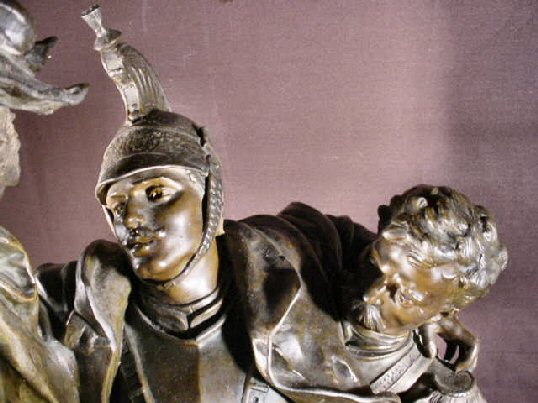
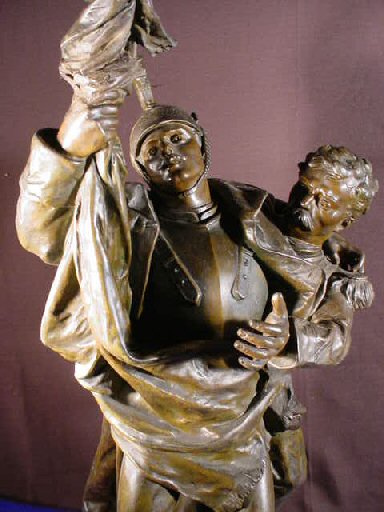
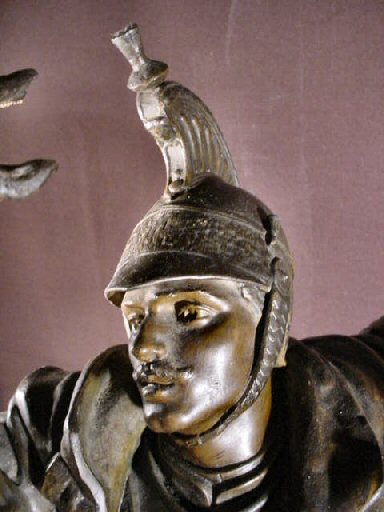
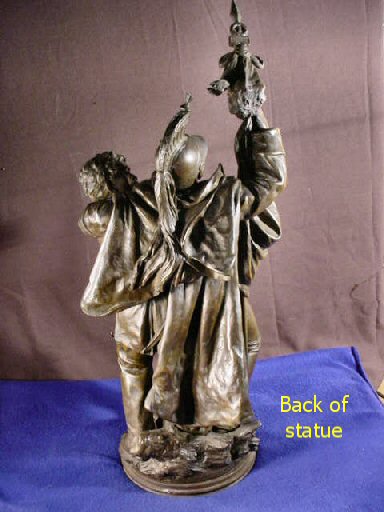
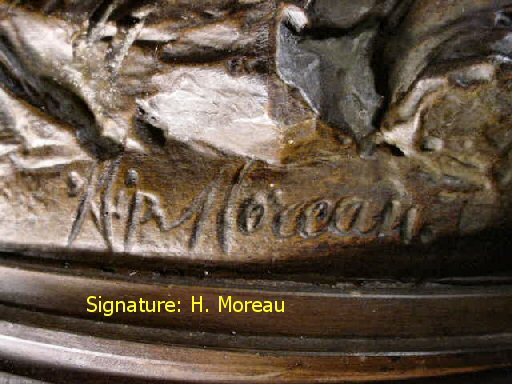
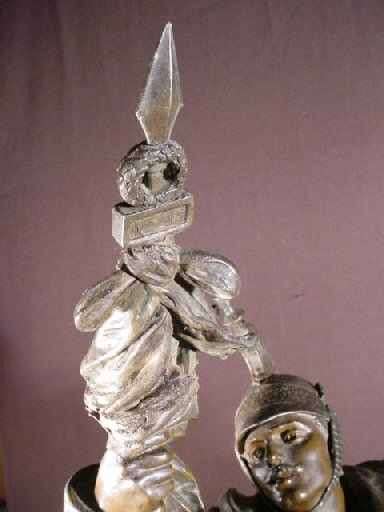
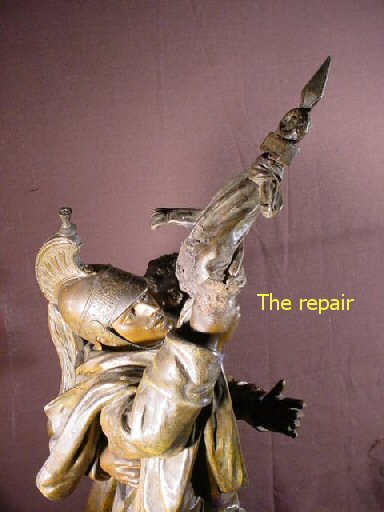
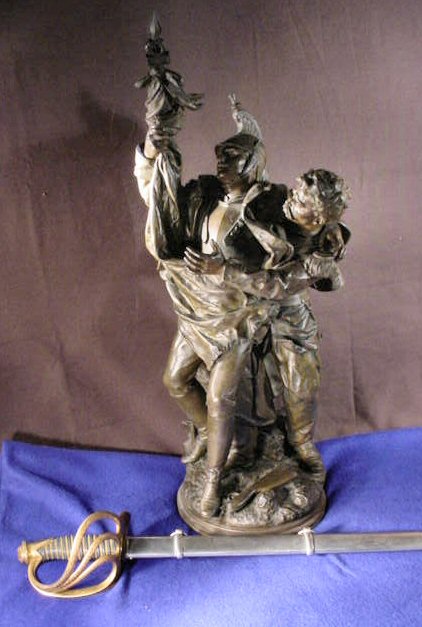
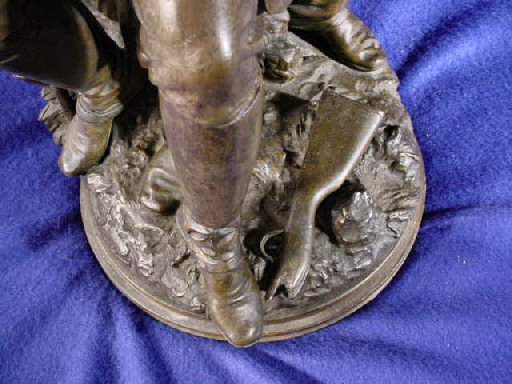
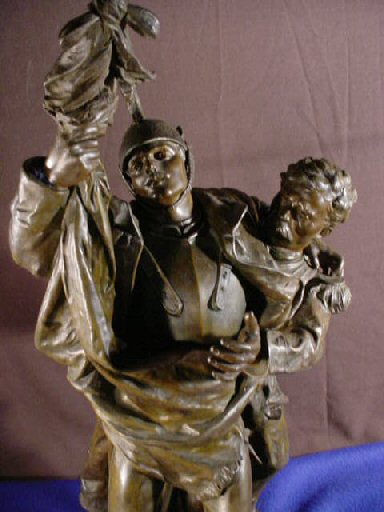
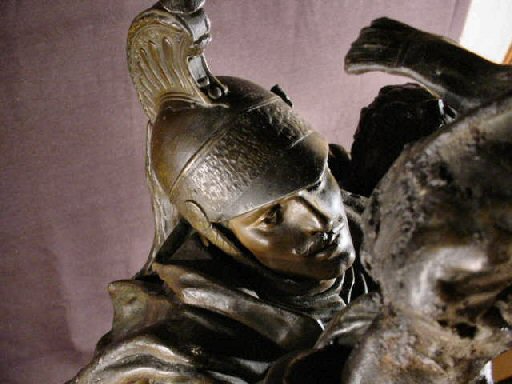
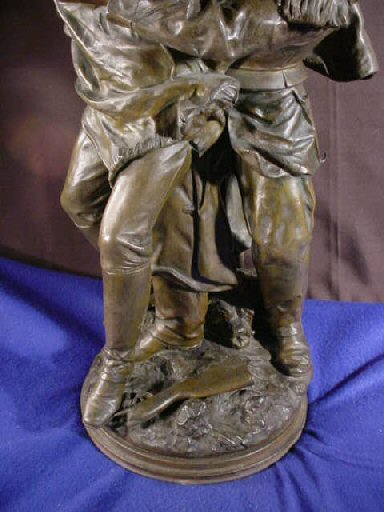
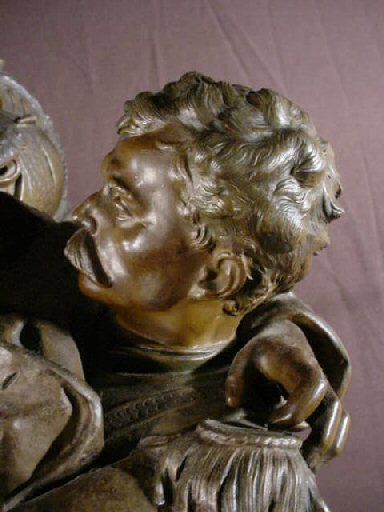
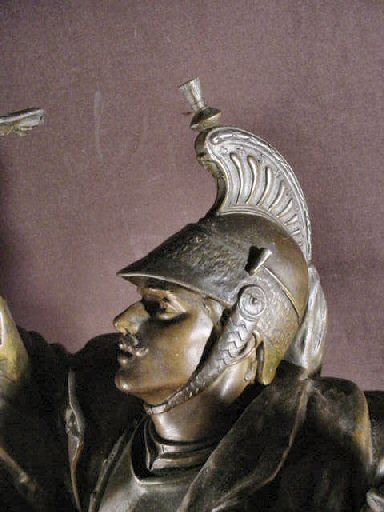
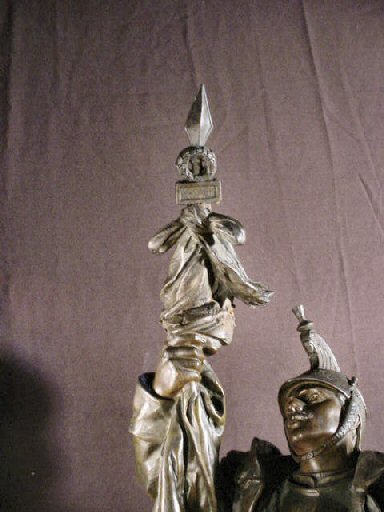
| DESCRIPTION:Here is a large piece of 19th-century French sculpture; a masterpiece really capturing great valor, emotion, and militant action. It depicts a pair of French cuirassiers dismounted as one snatches the regimental standard from his comrade who is wounded—possibly mortally—and cannot carry it any further. Rather than let it fall into enemy hands, which would be a disgrace, the helmeted cuirassier comforts his comrade and lifts the sacred flag afresh in an act of martial defiance and pride. In two of our pictures we added a cuirassier sword to give size perspective to this massive sculpture. The sword is one of the very large cuirassier swords. The actual height from the bottom of this sculpture to the flagpole top is 29 inches. From the bottom to the top of the man’s helmet is 27 inches. This is a large statue. In one of the pictures you can see that probably many years ago there was a repair at the point where the flag bearer’s hand clutches the pole. The repair was done at this point and I’d have to say it was not too professional; however, it does not really detract from the overall look of the statue and if it is on display as it would be (frontal viewing) it would never be noticed. The flag in the depiction is broken (broken, but undefeated!). This is part of the saga portrayed here. The flag is meant to be depicted as broken. There is a saying in German: “Der Man darf fallen; die Fahne nicht!,” “The man may fall, but the flag, never!” In French it is something like this: “L’homme peut tomber, mais le drapeau jamais! This is a very dramatic and heroic depiction in statuary. The material is of spelter, or white metal, but is heavily bronze coated. Depending on the subject and the artist often a spelter sculpture is worth as much or often more than a similar bronze piece by a lower-rated artist. This particular one is certainly of a desirable subject and by world-famous French sculpture H. Moreau. So in essence, we have here a first-class piece of art sculpture regardless of the repaired damage and it is priced very competitively considering all.
PRICE: $2,200.00; a great price for this rarity! (Traded - no longer available) |
|
|||||||||
|
Victory Statue in Bronze (Item FRAN 3-2) |
|||||||||
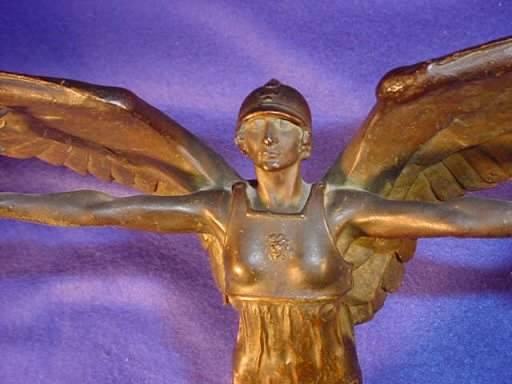
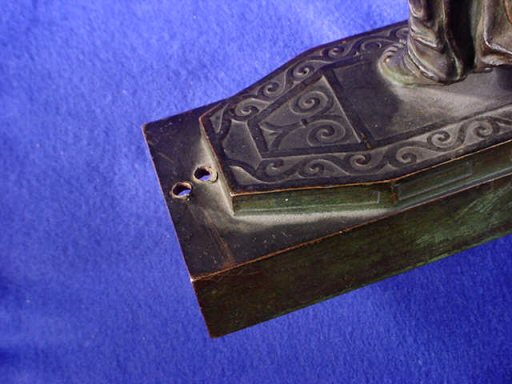
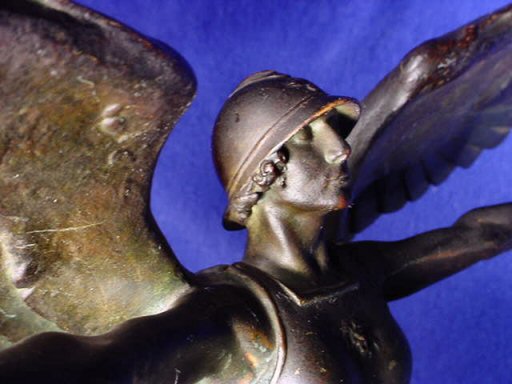
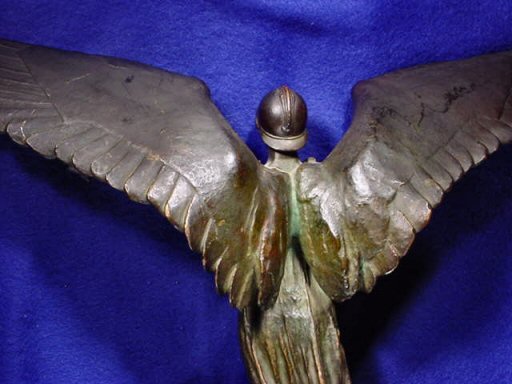
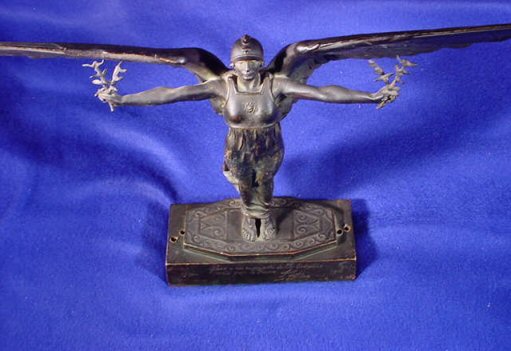
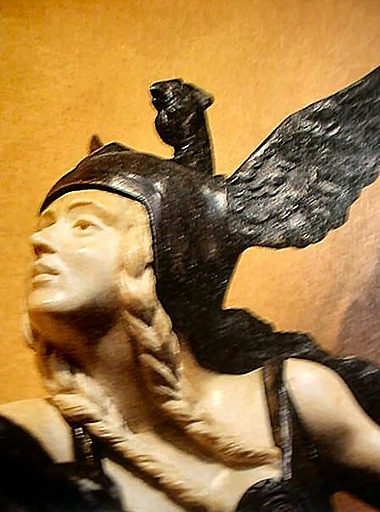
| DESCRIPTION:This is an incredibly fine bronze sculpture of the winged victory. It depicts a female figure in Romanesque attire while wearing the steel helmet of the French poilu. She appears with eagle’s wings and the branches of victory clutched in her hands. On her breastplate is the traditional lion face as used by the Roman Legionnaire officers of history. On the base or plinth is a saying by marshal Foch and the dates 1914-1918. The saying is: “Gloire a las camarades de technique morts pour la France,” and then his signature. A rough translation is: “Glory to the companions of divisions who died for France.” Could this be for the armored divisions? Can you help? In any case, this is a beautiful sculptor’s highly detailed and dramatic memorial to a heroic and noble countenance. The plinth has great design, as well. On each side of the plinth are two drilled holes. We believe this was to secure the piece to a wooden stand of some kind. This, of course, was done at a later time than when the sculpture was issued. Although this was unfortunate, it doesn’t detract from the overall beauty of the sculpture. The piece with plinth measures 10 inches to the top of the helmet; 11 inches from the base to the highest point of the wingtip; 16 inches from wingtip to wingtip; and the base is 6 1/2 x 2 1/2 inches. There is no signature, but it does have foundry marks. This is an elegant desk piece for the WWI enthusiast or a great display cabinet treasure for collector or museum.
PRICE: SOLD |
|
|||||||||||
|
Belgian Double-barreled Percussion Pistol (Item FRAN 3-3) |
|||||||||||
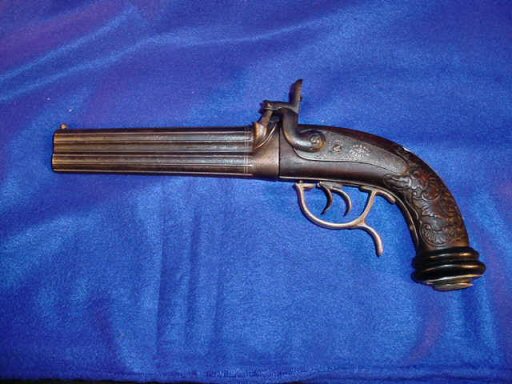
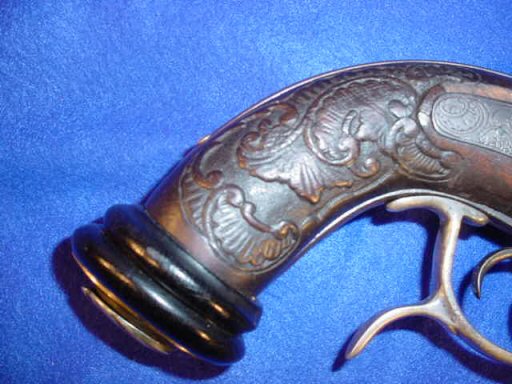
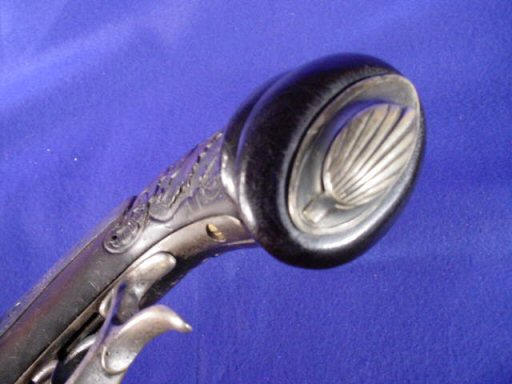
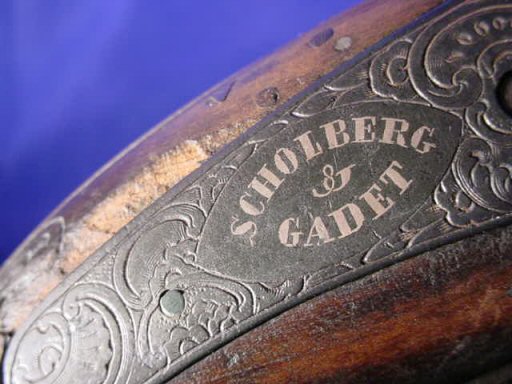
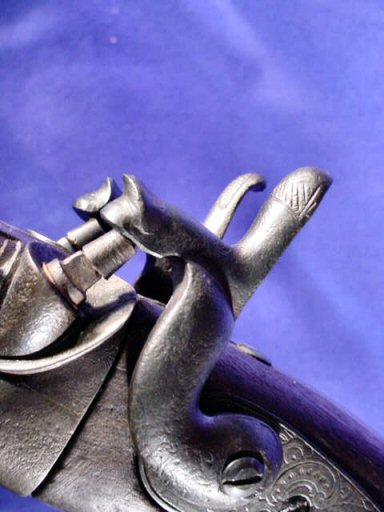
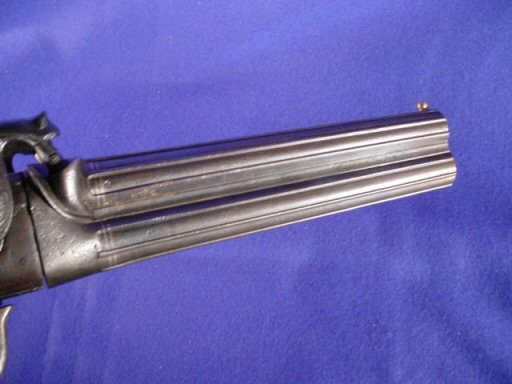
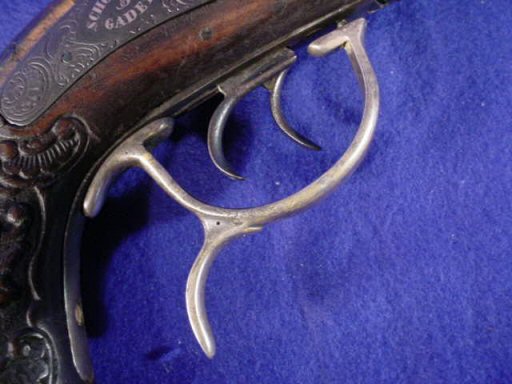
| DESCRIPTION:This fine pistol was produced by the company known as Scholberg & Gadet on the Rue Viegnis 186 in Liege, Belgium. They were registered as gun makers in 1861, although they may well have produced earlier. This fine weapon looks be from the 1861 period. This finely crafted pistol has a foliate and scroll carved walnut stock which is a bit worn from use. Both lock plates are engraved and inlaid with the names Scholberg and Gadet on the right side. On the left side the proud individual gunsmith (A. Pelotas), who made this particular weapon has his name inlaid. The hammers are engraved and the barrels feature a double line of inlay just forward of these hammers. The screw located on the left side of the lock plate appears to be an old replacement. This is certainly an elegant pistol which has surely seen some turbulent history. The length of the entire pistol is a little more than 12 inches. The barrels are about 6 3/4 inches in length. It’s still quite mechanically good and tight as well. The triggers and hammers respond in crisp action. This is a museum piece for sure--a neat-looking weapon and historically important as a great 18th-century firearm.
PRICE: SOLD |
|
||||
|
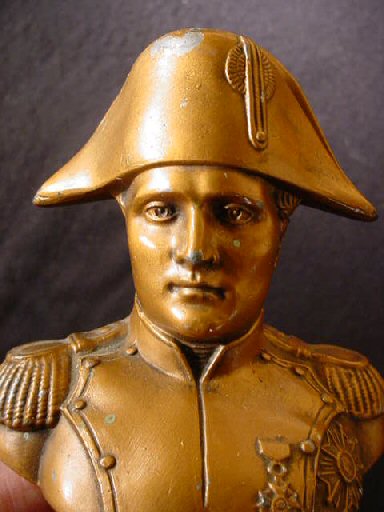
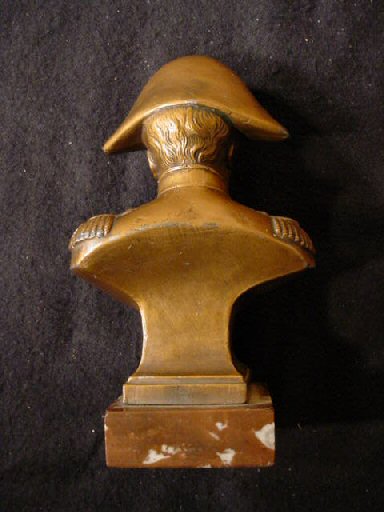
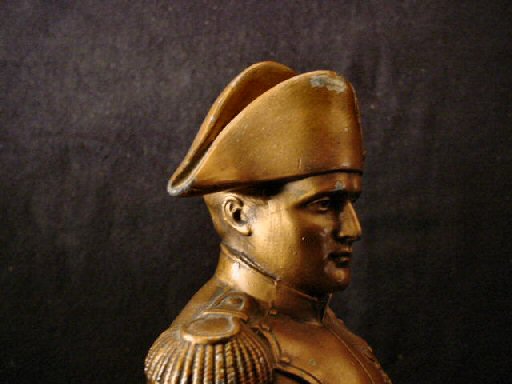
Small Bust of Napoleon (Item FRAN 3-4) |
||||
| DESCRIPTION:This very good likeness of Napoleon Bonaparte is probably made of heavy-gauge white metal with a thick bronze-plated finish. It’s mounted on a nicely grained piece of Italian marble. It’s about 6 inches high and about 3 1/4 inches wide from shoulder to shoulder. The detail is extremely good. Even his medals stand out in detail. This is a very nice depiction of le Emperor at the height of his fabulous military career. It probably dates to turn of the 20th century.
PRICE: $126.00 |
|
||||||||||||||||||||||||||||||
|
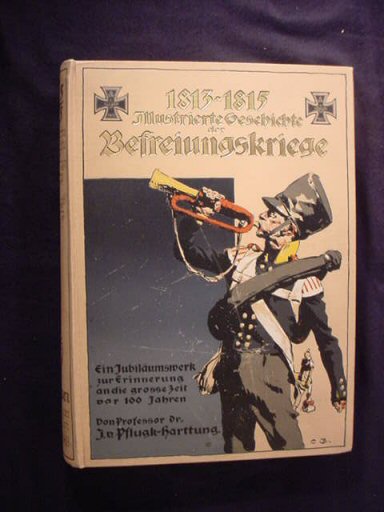
Book 1813-1815, Illustrierte Geschichte der Befreiungskriege (Item FRAN 3-5; KBOOKS 2-6) |
||||||||||||||||||||||||||||||
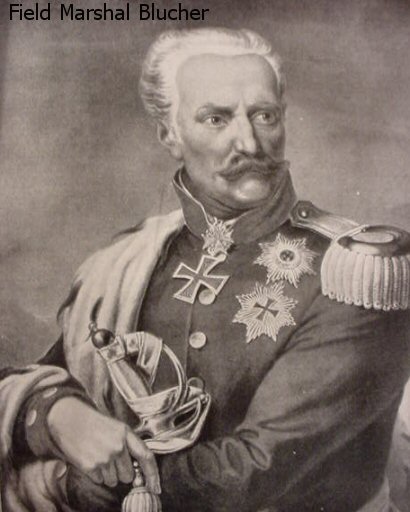
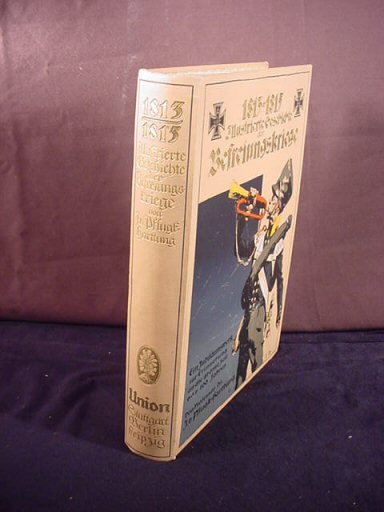
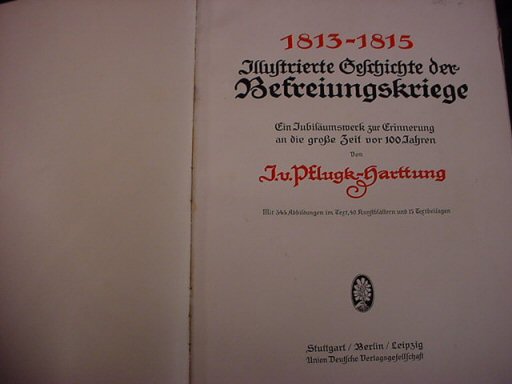
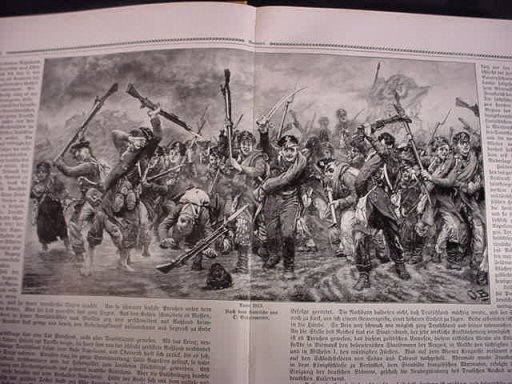
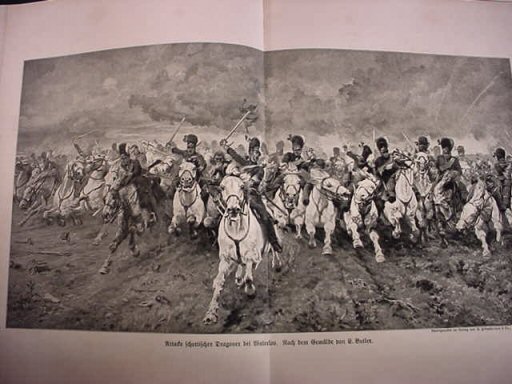
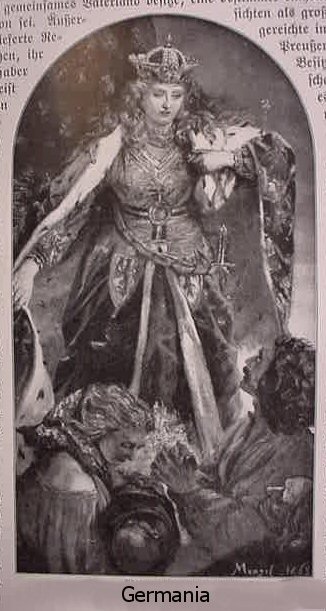
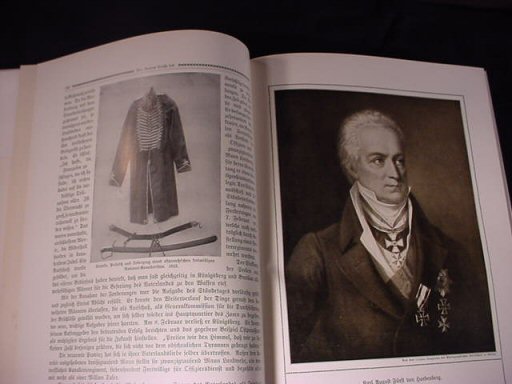
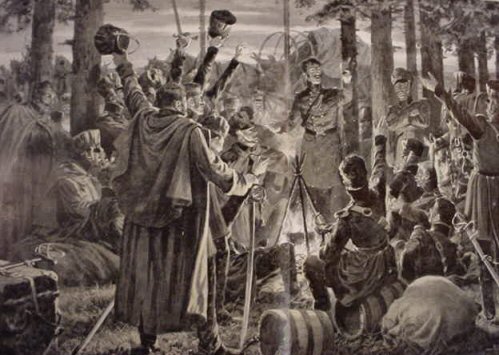
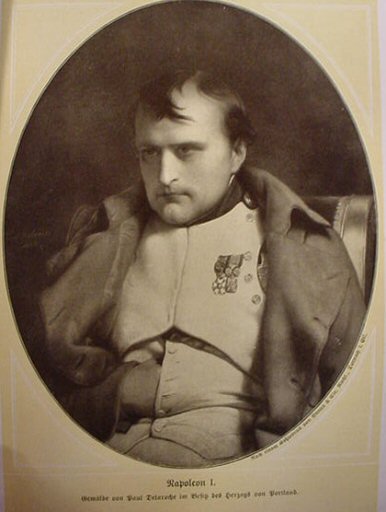
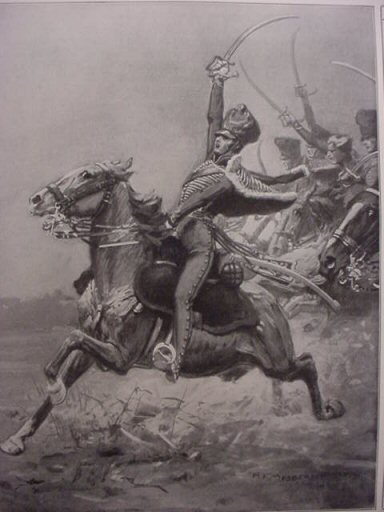
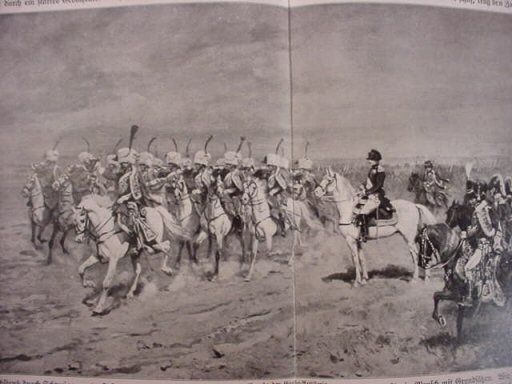
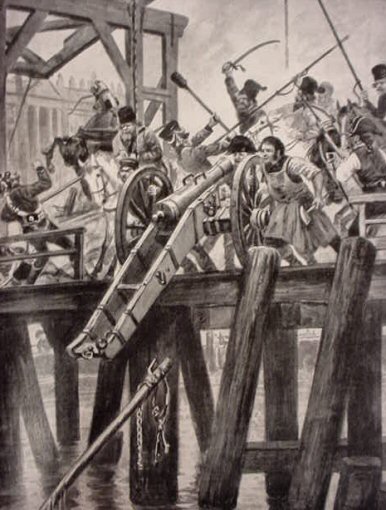
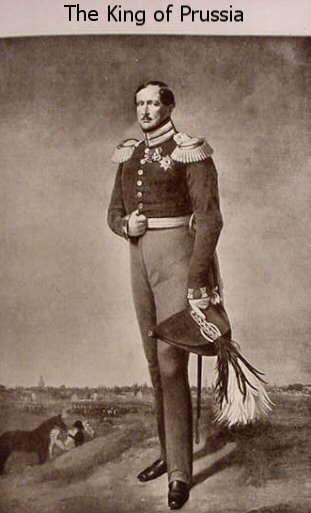
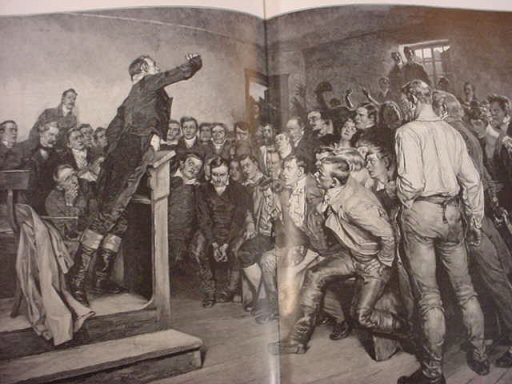
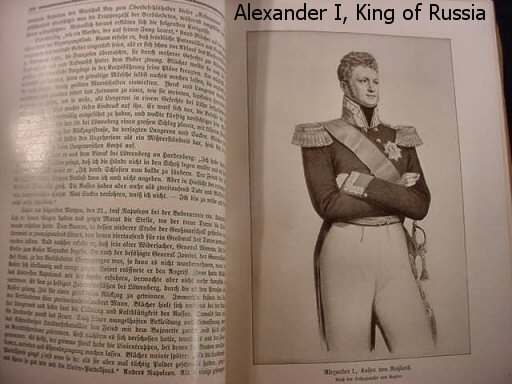
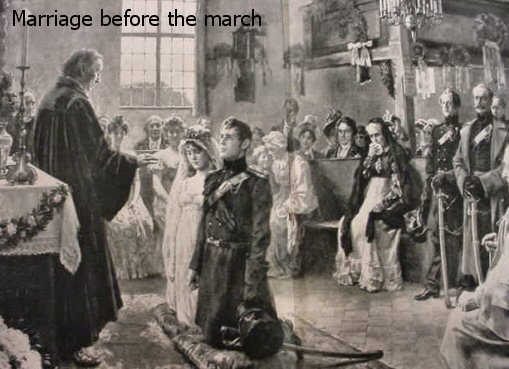
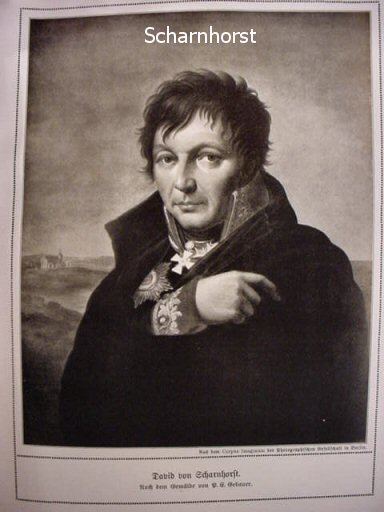
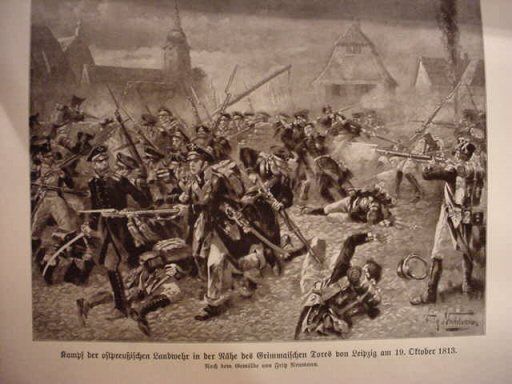
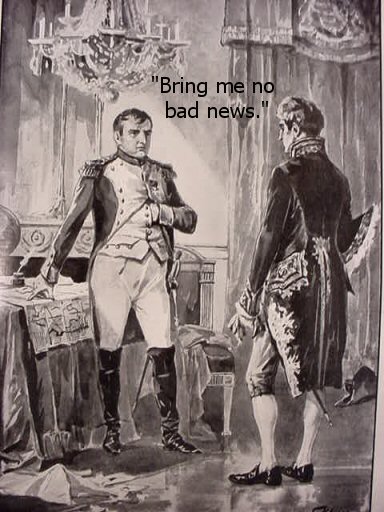
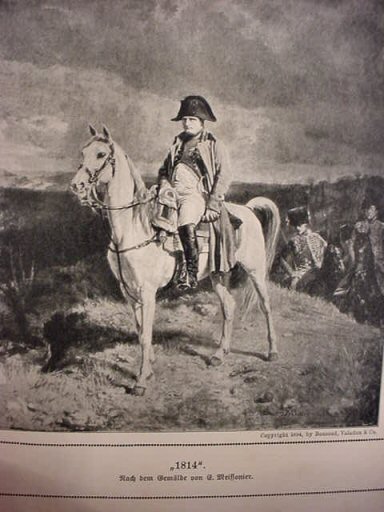
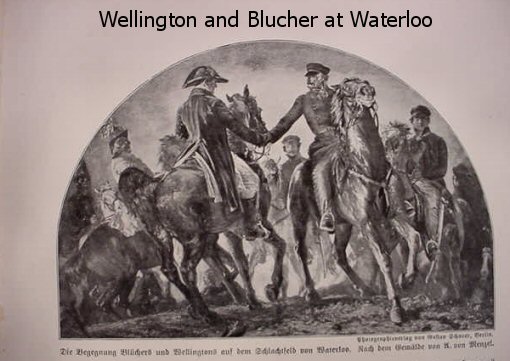
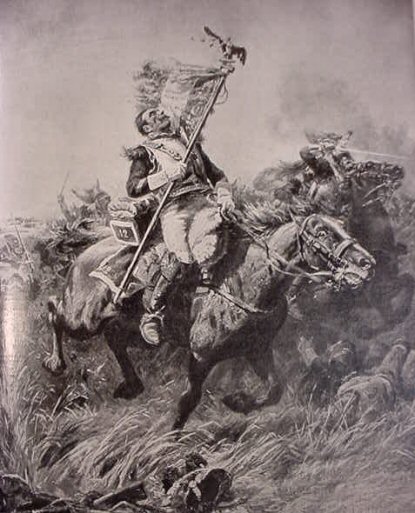
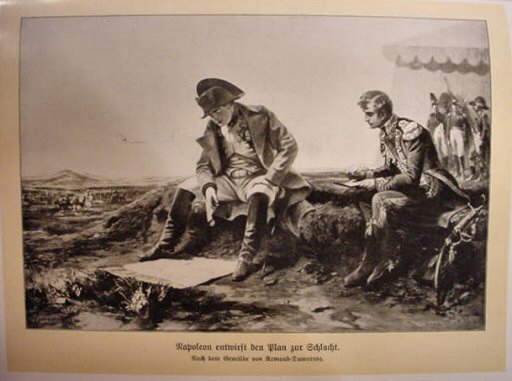
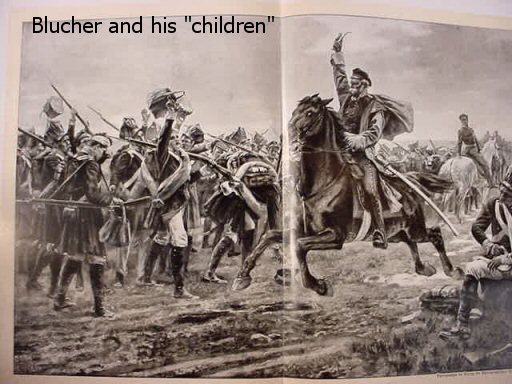
| DESCRIPTION: 1813-1815, The Illustrated History of the War for Freedom is a fantastic huge volume measuring 9 1/2 x 15 inches and is almost 2 inches thick. It was published in 1915 in celebration of the jubilee of the 100th anniversary of the German military resistance against Napoleon. By Professor Harttung, is has 414 pages and 343 illustration with 40 full-page spreads depicting scenes from this epic struggle. This, like no other, is the story of the war that changed the world forever. It actually was a world war since Britain, Scotland, Russia, and other European nations joined to defeat the forces of France. The pictures are all from famous historically correct paintings executed during the time of the conflict all the way up to just after the turn of the 20th century. Some of the full two-page illustrations are breathtaking to the fervent historian. Page after page depicting every battle from the beginning of Napoleon’s conquest of central Europe to his final defeat at Waterloo is excitedly covered. The notables on both sides are depicted in great detail. The greats such as Field Marshal Blucher appear lifelike within the pages. The battle scenes depicting the British and German forces acting in unison the French foe makes one think of Hitler’s ultimate agenda and goal. He wanted a repeat of this Aryan cooperation against another common enemy of the west—Soviet Russia—but Britain had other plans. England’s suicide as a great nation was the direct result of its anti-European stance. Stop me! I’m wishing and daydreaming again. We wish we could show you all of the hundreds of great pictures because almost every one of them is a treasure in itself. Inspiring! and thrilling as much as a book can be. The edition is ultrarare, even in Germany and is deserving of placement in a museum or great collection.
PRICE: $300.00 |
|
|||||||||||
|
Miniature Portrait of Napoleon by Armand Berton (Item FRAN 3-7) |
|||||||||||
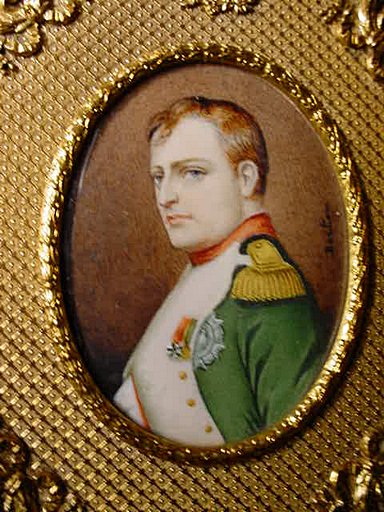
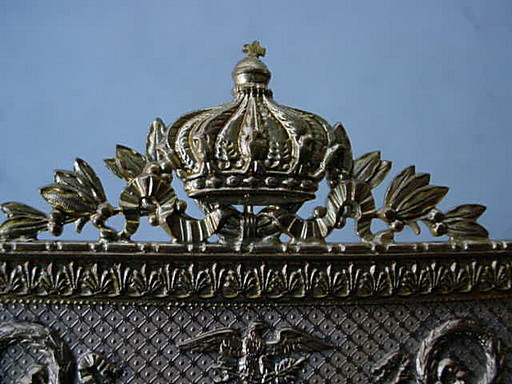
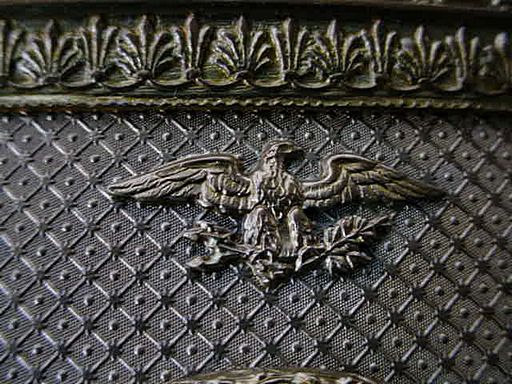
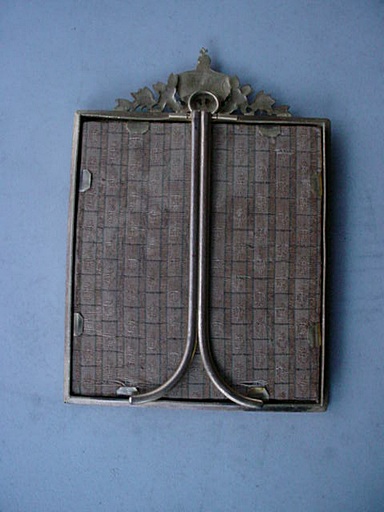
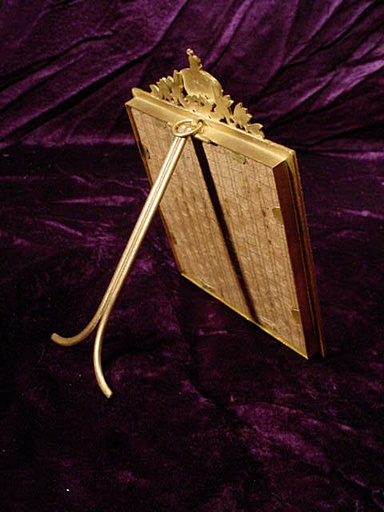
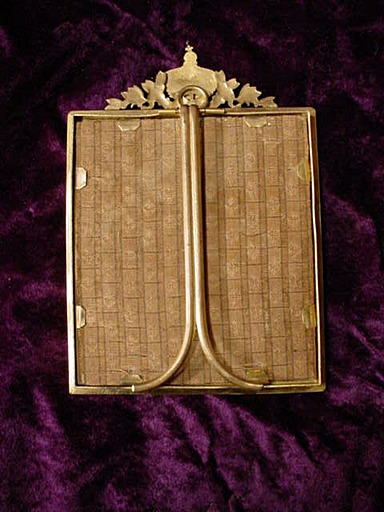
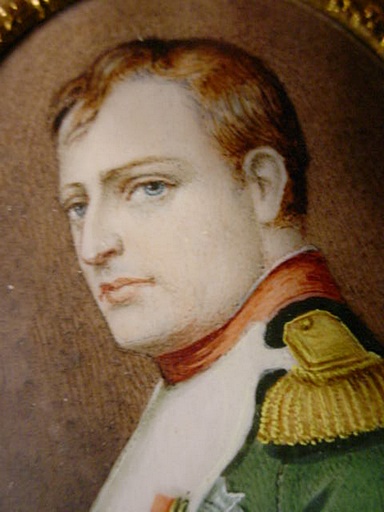
| DESCRIPTION:Armand Berton, 1854-1927, was a very famous French artist of the realist school. He was so famous that the French Academy of the Arts instituted an Armand Berton Poussielgue prize for talented artists, one of he most prestigious awards for artists in the world. Armand Berton was known for his portraits; especially nudes. One of his nudes brought $50,000 in 13 x 10 size according to the price guide by H.J. Davenport. The information we have obtained also mentions that he was deaf. He was born in Paris. He was a history and portrait painter, a pupil of Millet and Cabanel with medal third class, 1882. Many famous works such as ‘Evening’ (1880), ‘Eve,’ ‘Woman with the Rose’ (1882), ‘A Grasshopper’ (1883), ‘Modern Fable Seated upon Antique Ruins’ (1884). The artist was also a miniaturist evidently and his fine realistic style is evident in this very elegant portrait of L’Emperor Napoleon. The work is done on bone which was the traditional mode for fine miniatures of the time. When a high intensity glass is used the bone graining is evident. The signature of Berton appears at the right of the portrait. The frame is of royal magnitude employing the Bourbon crown because that is the royal house he served earlier when as a young officer as this portrait shows him to be. Also depicted is the eagle of the French Empire. The frame is in a rich antique-gold finish with a dot pattern and applied ceremonial wreaths and ribbons. The back of the frame has a substantial stand, but also has a ring so if one desired to hang the portrait instead of displaying it on a table this could be an option. This is probably one of the finest miniatures we have ever seen of this great subject. It was not anybody less than landed gentry or royalty that would be the past owner of this elegant and important object d’art. “Vive l’Empereur!”
PRICE: SOLD |
|
||||||||||||||||||||||||||||
|
Manikin of a Napoleonic Grenadier of France: GERMANIA scores, again (Item FRAN 3-8) |
||||||||||||||||||||||||||||
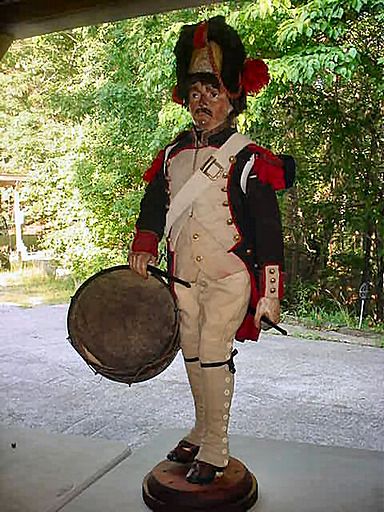
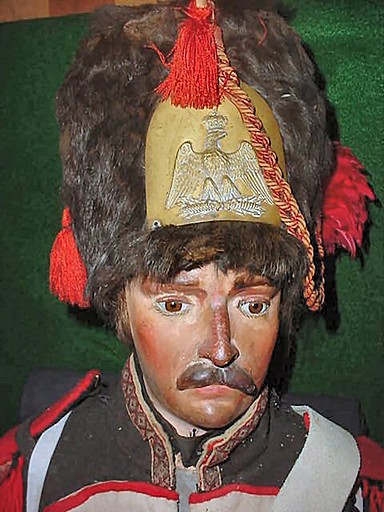
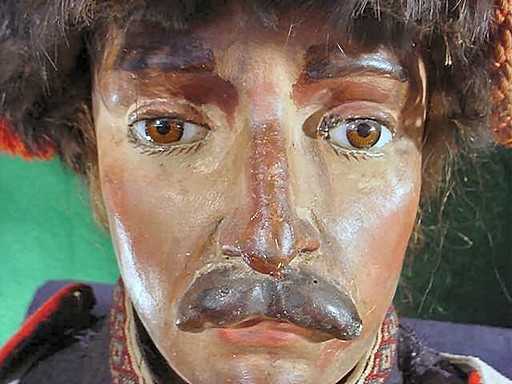
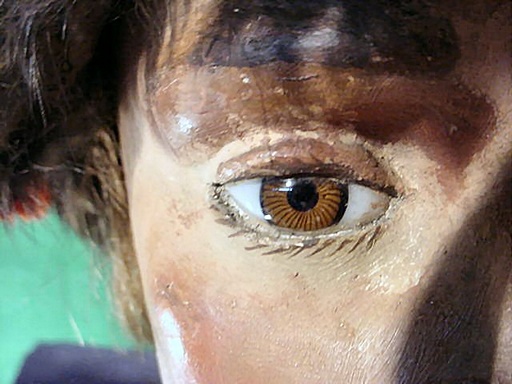
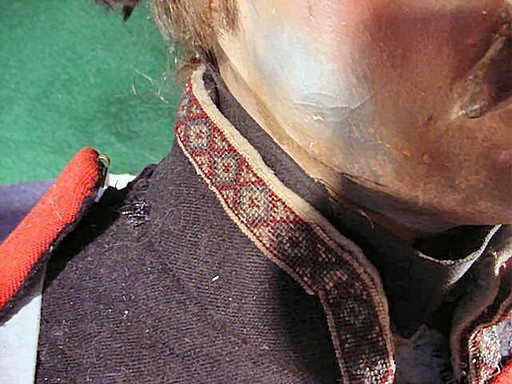
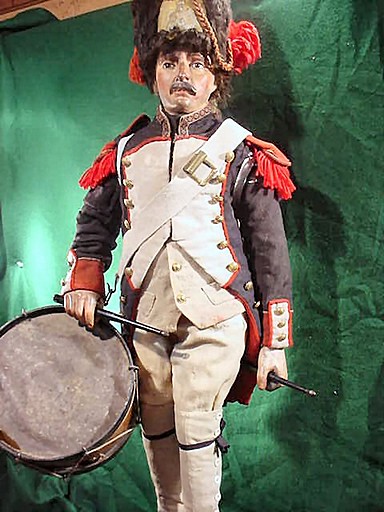
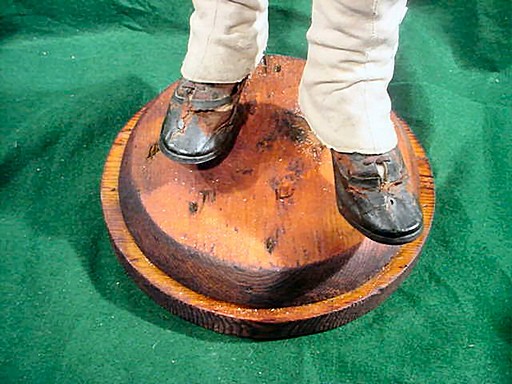
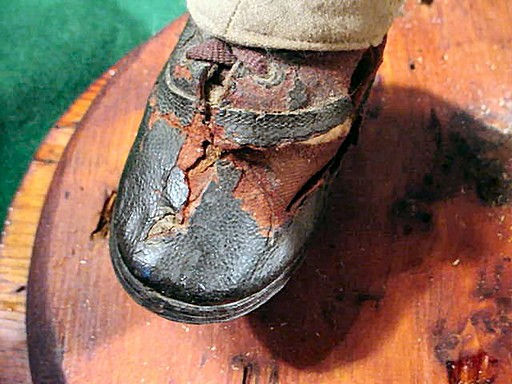
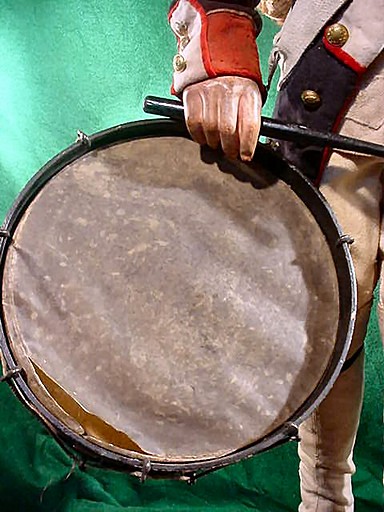
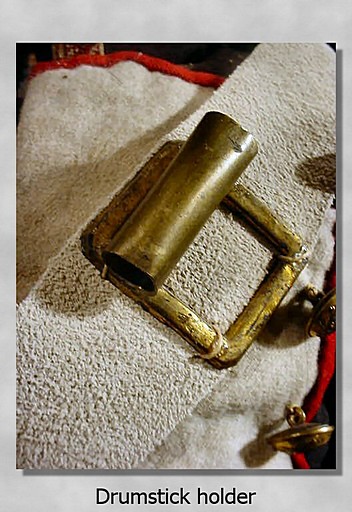
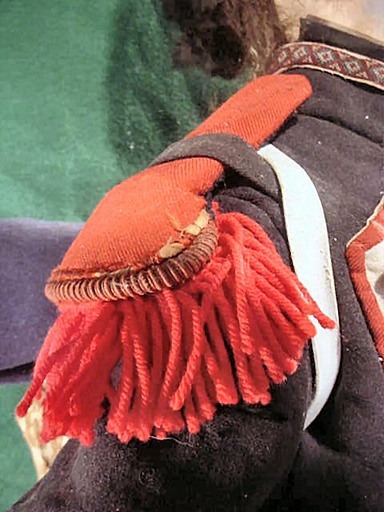
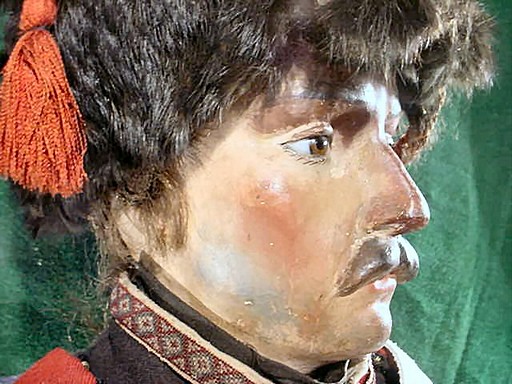
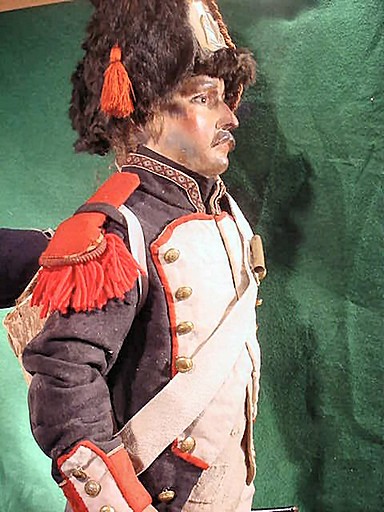
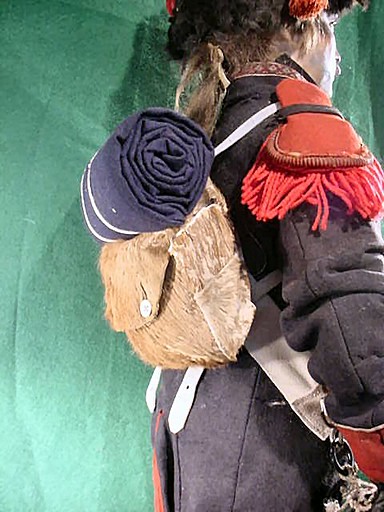
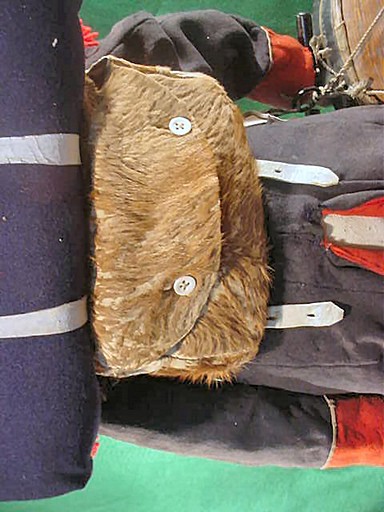
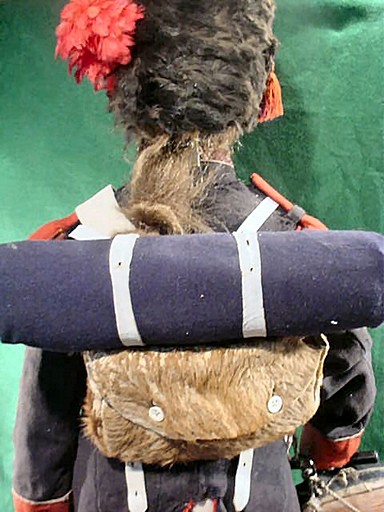
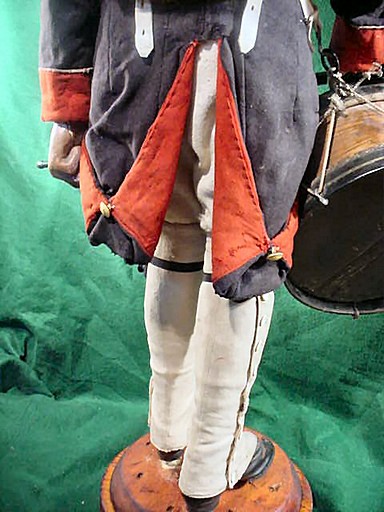
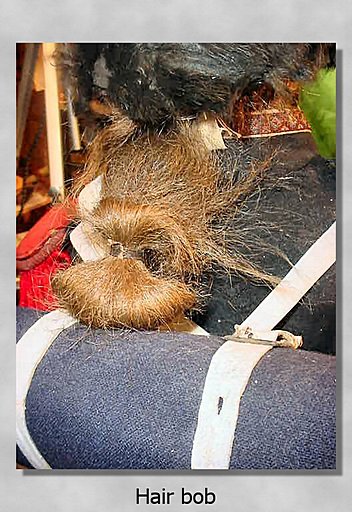
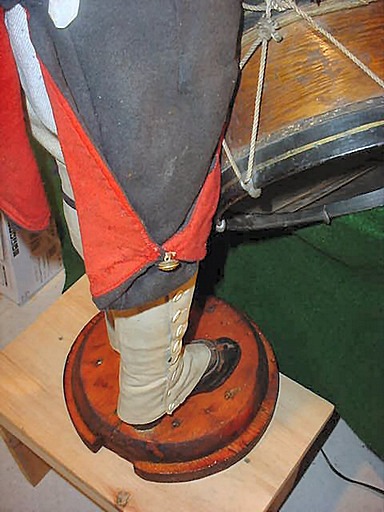
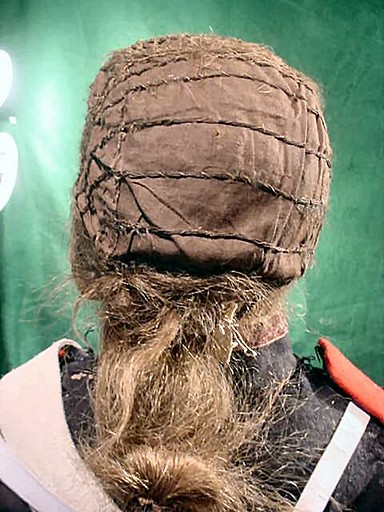
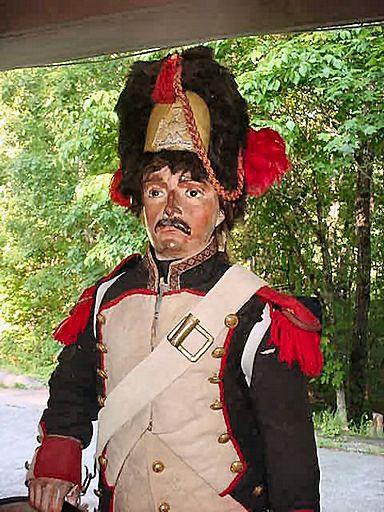
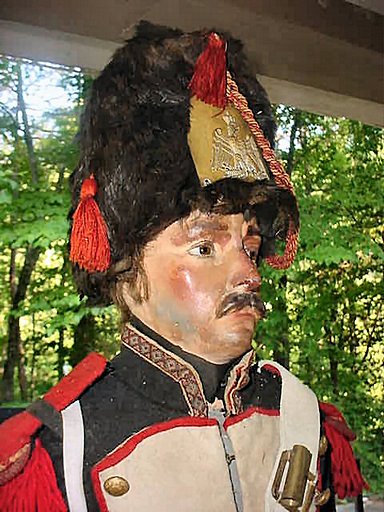
| DESCRIPTION: In keeping with our promise to bring you only the finest and rarest historical objects imaginable, we’ve done it, again! This is a very old, intricately assembled, probably period manikin of a regimental drummer. He may be a soldier of the Garde Imperiale-Garde-Consulaire on perhaps the Grenadiers a pied or even Conscrit Grenadiers. It is hard to say as early descriptions vary. He has the long, blue coat with white lapels; the “old guard” bearskin cap, red epaulettes; and the “falling plume” and lanyard on the cap in red. The coat and lapels are also trimmed in red bunting. The coat cuffs are red. The coattails fold back at the rear to show red linings. Everyone knows Théodore Géricault’s famous painting of an Imperial Guard mounted officer. This officer is dressed very similar to our “François” here; his face even bears a resemblance. In any army the Grenadiers were meant to be the tallest, strongest, and bravest troops who would be the first into the attack. In the French Army under Napoleon a battalion was supposed to have six companies, one of which was of Grenadiers, but of course the most famous of these was the company known as the “Old Guard.” It was the elite of the “Grande Armée” as the re-creations go. This “soldat” is among the “elite,” for sure. History and repairs: The figure was found in Canada in an attic in the 1980s. He was in rather poor condition. As to his clothing being rather soiled, the components were “plain dirty,” and I guess he looked like he took the trek from Moscow with the Emperor Napoleon. He showed some evidence of insect damage. The shoes showed extensive red-rot damage. The original drum was missing and replaced at that time with a drum that probably was an Indian drum. The figure was bought and then brought to the U.S. and from August 15 to the 30th 1992, an intensive museum restoration was initiated and successfully completed. We have a treatment record that was put together by Cameron Laughlin in Arizona that details every single restoration that was done on “François” (five pages full). The work was exemplary and intense, but all performed completely without compromising the integrity of the manikin whatsoever. Mr. Laughlin believed that the figure was constructed in the period of 1870 of the Franco-Prussian War and may have been a recruiting-office figure. He says that the materials used are consistent with an 1870s origin and that it illustrates a high degree of artistic excellence and was constructed of top-grade materials. The figure is one-half scale and constructed of heavy papier-mâché, wood, fur, iron, steel, ink print, and glass. The uniform consists of coat, pantaloons, gaiters, shoes, Busby, and cravat (vest is integral to the coat). The Busby is of fur (mink?) The Busby body is in sound condition. The figure’s “peruke” (wig) is of human hair knotted into a queue and secured with liner twine. The Indian drum was replaced by an American child’s toy drum ca. 1870. The drum sling was replaced with a white latigo leather strap tailored to the figure’s dimensions, and incorporating both the drumstick carriage and tinned drum hook that is original. François’ face is incredibly real looking. His eyes are actual prosthetic (glass eyes) as used for human-eye replacement. This gives an eerie manifestation of actual lifelike feature to François. You will swear he is looking at you and is ready for your martial command to give a drum roll prelude to a march to glory! He stands about 44 inches high including his Busby. He measures about 12 inches across his shoulders. He stands on a wooden stand that appears to be original. It seems to be made of fir, is disk shaped, and was fabricated of 1 1/4 pieces of (true) planking. One 12-inch-diameter disk is the base upon which is mounted a beveled 10 1/2-inch disk. Both halves are secured with eight iron, square nails placed at irregular intervals around the periphery of the topmost disk. This stand was never given a paint finish and is seen as raw wood, but has been treated with linseed oil. So what do we have here on François? We have a beautiful historical presentation made in authentic detail and restored expertly. He is at least 130 years old; possibly much older. Mr. Laughlin, the man who did the restorations, says that this artifact should be housed in a protective case, preferably constructed of acid-neutral, U.V.-protective materials, and should be protected from direct sunlight. This is truly a treasure and should be in a museum or an advanced collector’s stewardship. François is unique today; the last of the “Grande Armée Grenadiers.” The official restoration papers will be included.
PRICE: $12,500.00; this is the price, but what is the real value? We suspect much more! |
|
|||||||||||||||||||||||
|
|||||||||||||||||||||||
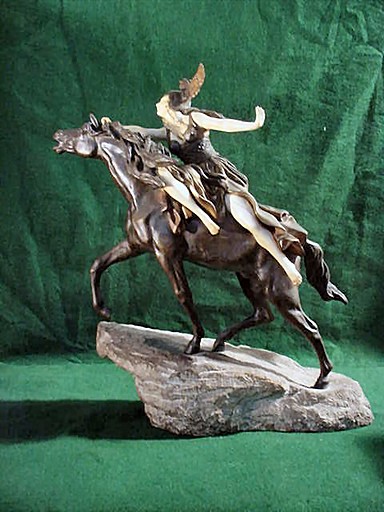
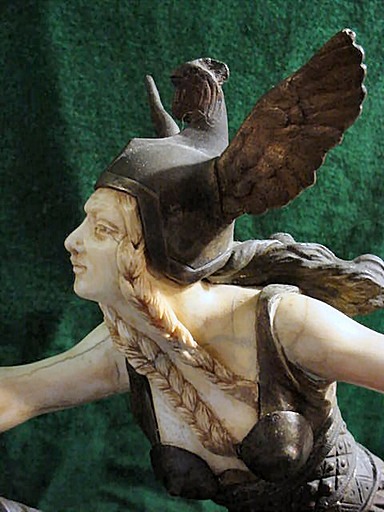
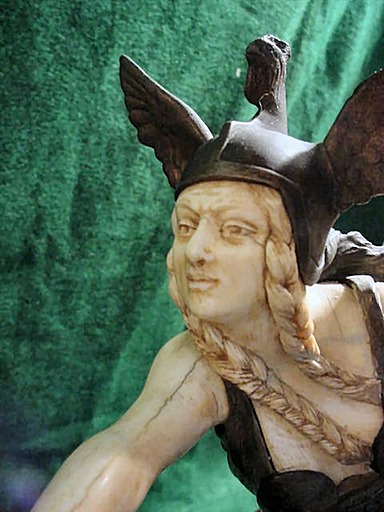
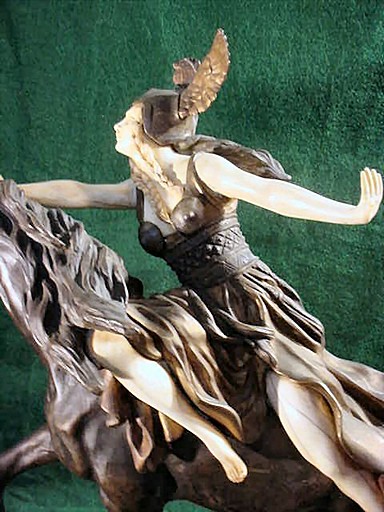
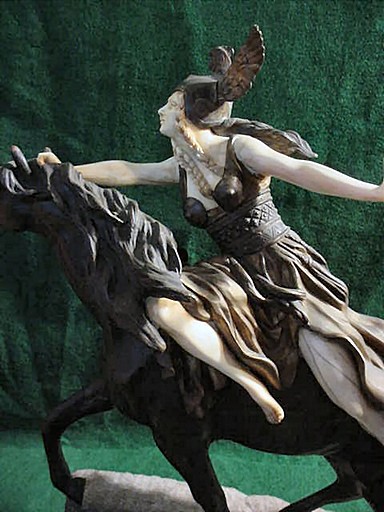
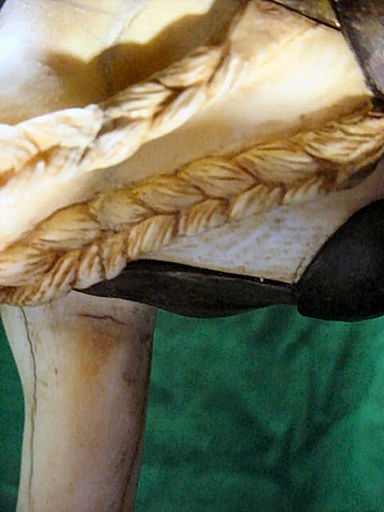
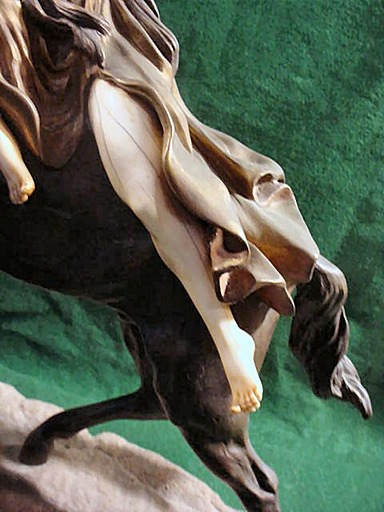
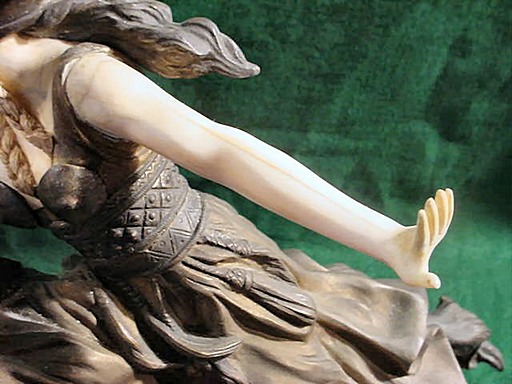
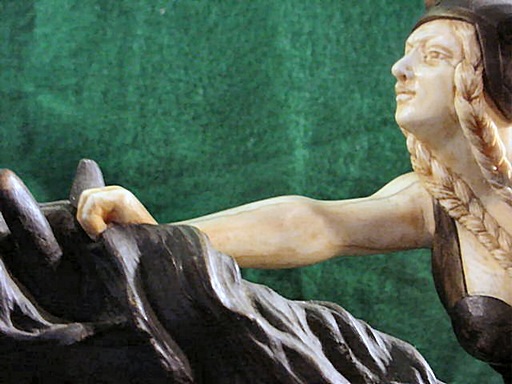
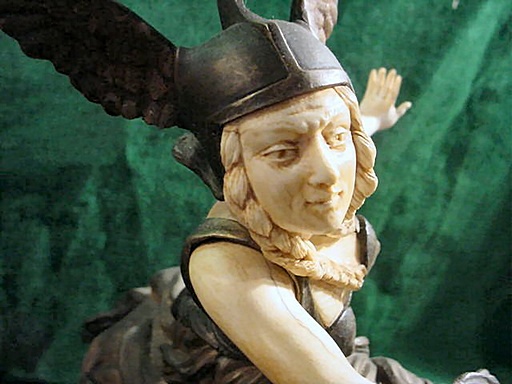
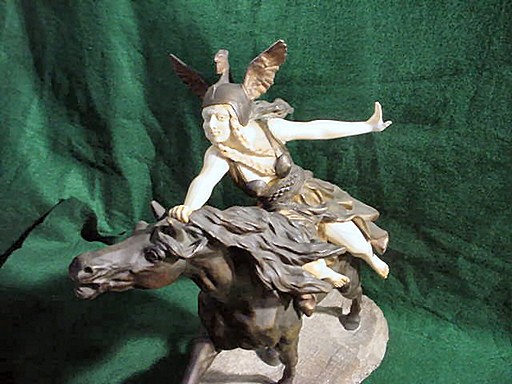
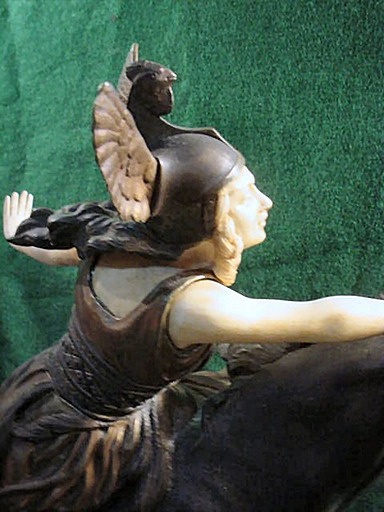
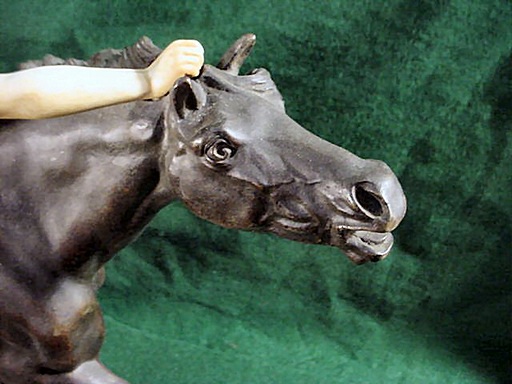
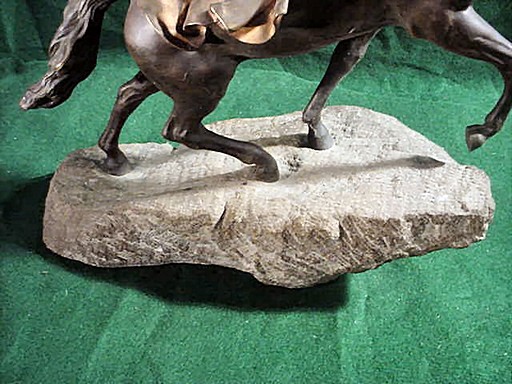
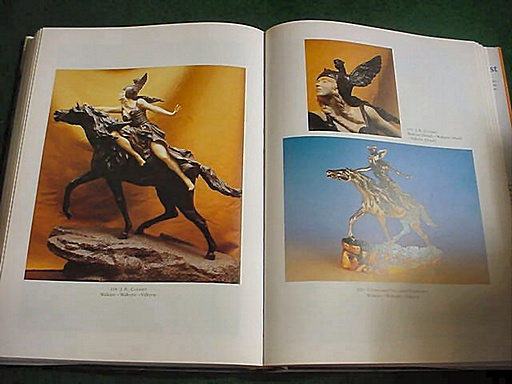
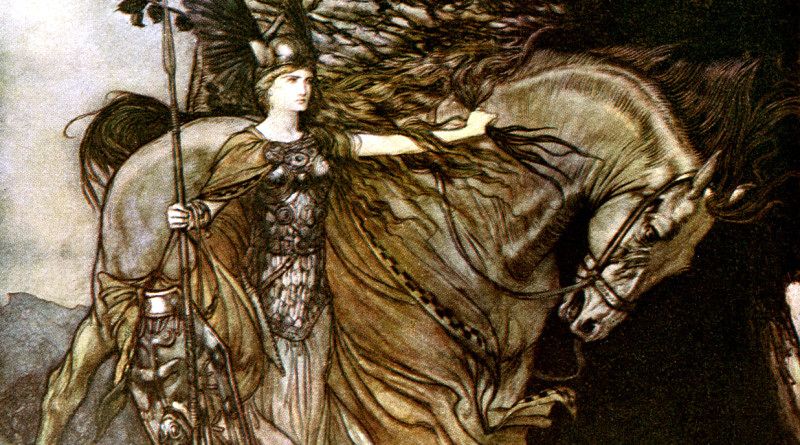
| DESCRIPTION: If you seek a reminder of the 1920s age of streamlined sophistication then look no further to the bronze figures produced through the 1920s and 1930s. Lithe, limbered, scantily draped, or fully nude beautiful young woman posed in theatrical, athletic or historical costuming found their way into the modern interiors of the aspiring upper-class homes. Among the greatest sculptresses of the period was Claire Jeanne Roberte Colinet, who was born in Brussels at the end of the 19th century. She trained as a pupil of the Belgian naturalistic sculptor Jeff Lambeaux. She had exhibited her works at the Salon des Artistes Français in Paris for over 40 years. She made her debut there in 1913 and obtained mention of honor. In 1914 moreover between 1937 and 1940, her sculptures were also shown at the Salon des Indépendents. She indeed was the master artist in creating sculptures. She regularly incorporated theatrical themes personified by her dancers of the world groupings. No doubt this magnificent Colinet that we offer here was inspired by the “Ride of the Walkuries” by Richard Wagner in his great “ring” cycle. We would lean toward calling this sculpture “Walkurie,” but it is well known in the finest of art circles as (Towards the Unknown). The one we offer is in perfect condition with the usual age cracks here and there. The figure is about 19 inches high and 15 inches from the end of the horse’s tail to his snout. I understand that this figure was done in two sizes and the one we have is the big one. To call this piece rare would be wildly understating it. This is “super rare” and a highly desirable art bronze actively sought by collectors worldwide. We will give the Germanophiles a chance at it for what has to be a limited amount of time and then the consigner will probably put it at auction more than likely at Sotheby’s. This particular sculpture is so popular that you will find that several dealers offer posters depicting this rider listed as (Towards the Unknown). This poster is advertised from dealers in dozens of countries. The statue is respected and beloved, indeed, in the world of realistic art.
PRICE: SOLD |
|
|||||||||
|
French Apache Revolver(Item FRAN 3-10) |
|||||||||
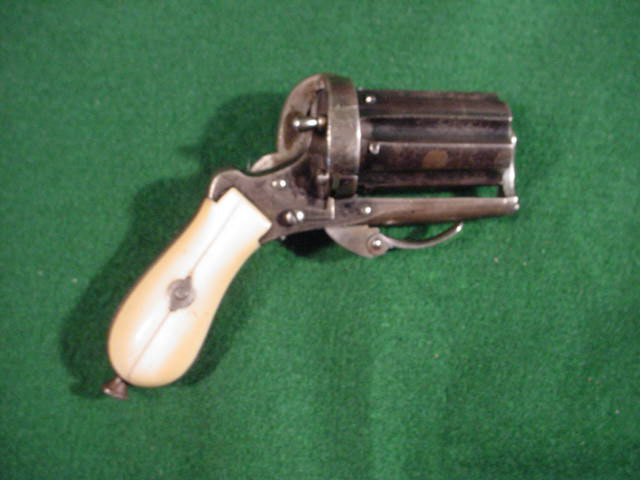
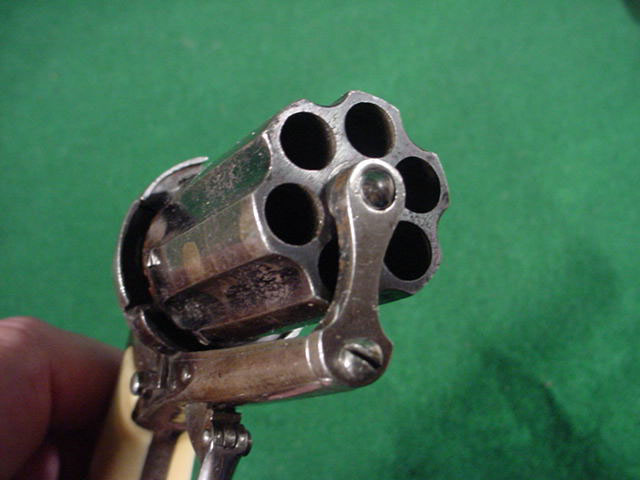
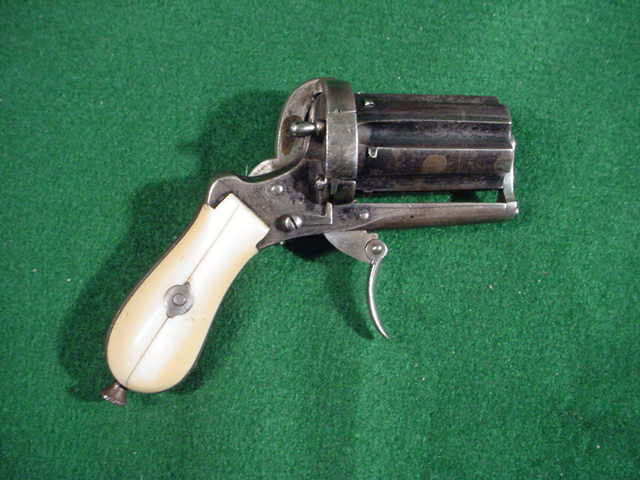
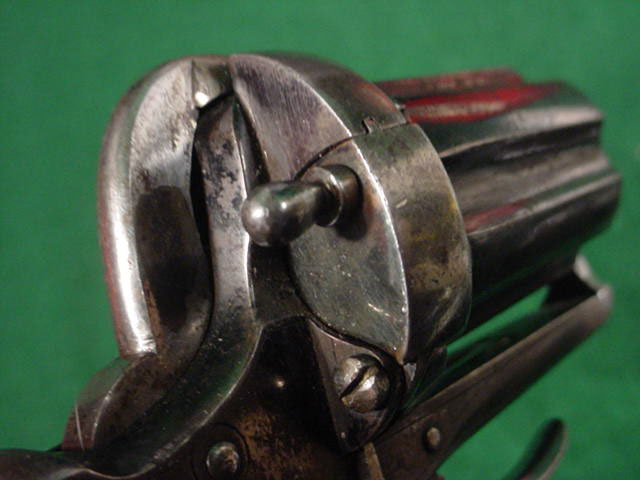
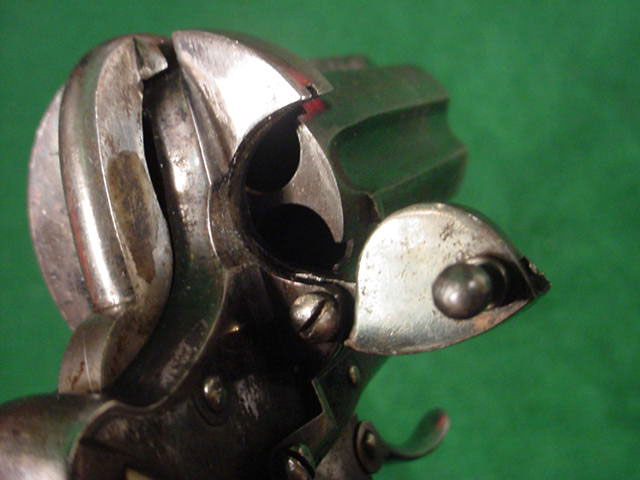
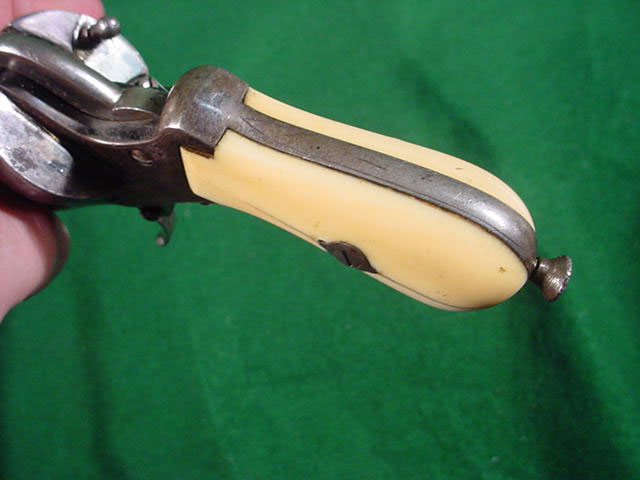
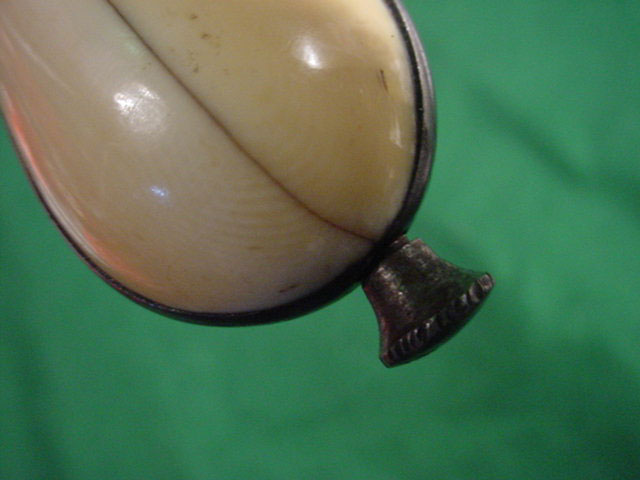
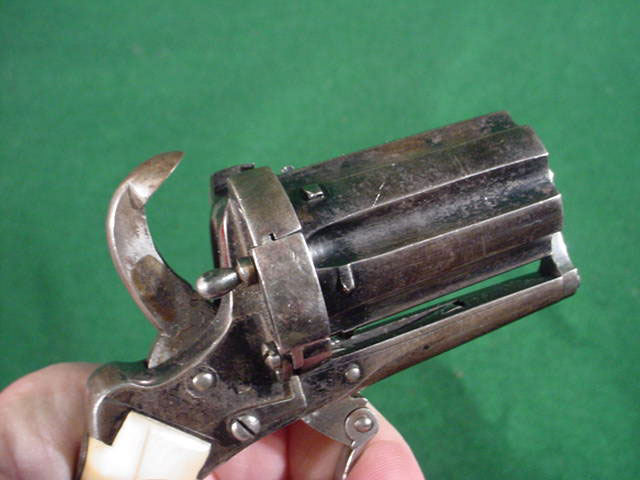
| DESCRIPTION: An Apache Revolver is a handgun which incorporates multiple barrels. It was made notorious by the French underworld figures of the early 1900s. Known as “Les Apache”s The gun has no actual barrel. It has cylinders that fire one at a time as they rotate. Because of its lack of a barrel its effective range was very limited. But since all its component parts could be folded away it was easily concealed inside a pocket. Apaches were so named because their alleged savagery was compared with that attributed by Europeans to the American tribe of Apaches. The Apaches were especially associated with the Montmartre District of Paris which was also home to the famous Moulin Rouge Dance Hall and nightclubs during that heyday. The prospect of being mugged of otherwise assaulted by Apache gangsters was especially feared by members of the emergent middle class . Some of the gangs used such pistols as this classic that we offer here. Some of these Apache pistols have a pair of “Knuckle Duster” Brass Knuckles and a fold up dagger built in. This one only has the firing cylinder. The owner probably had his knife separate, assuming that the Apaches always carried a knife. This gun is a small-caliber, pin-fire revolver. The bullet diameter is 7mm which puts it at about .27 caliber. We assume that this particular weapon could have been owned by a particularly important gang leader since it has white-bone grips. Yes there is a crack down the middle as happens to bone that is a hundred years old or more. But it isn’t going anywhere and is quite sound. This is a honey of a little lethal weapon and is much more rare than the multipurpose type. We are pleased to offer such a great little historically important piece of firearms curiosa.
PRICE: SOLD |
|
||||||||||||||
|
||||||||||||||
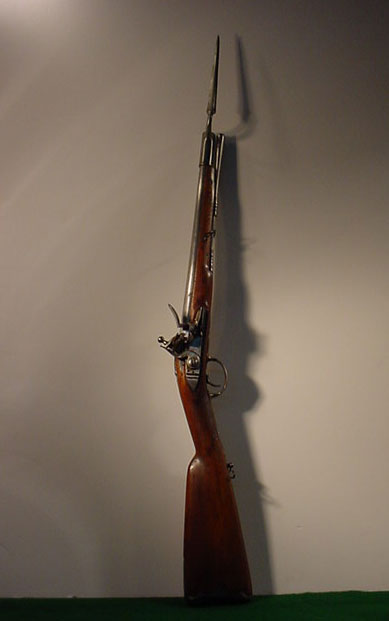
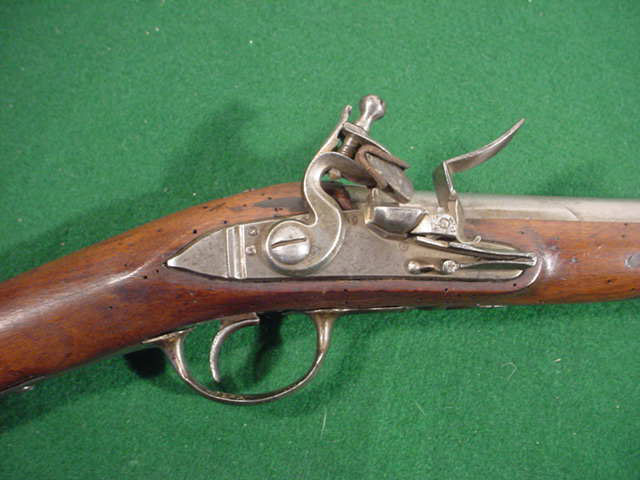
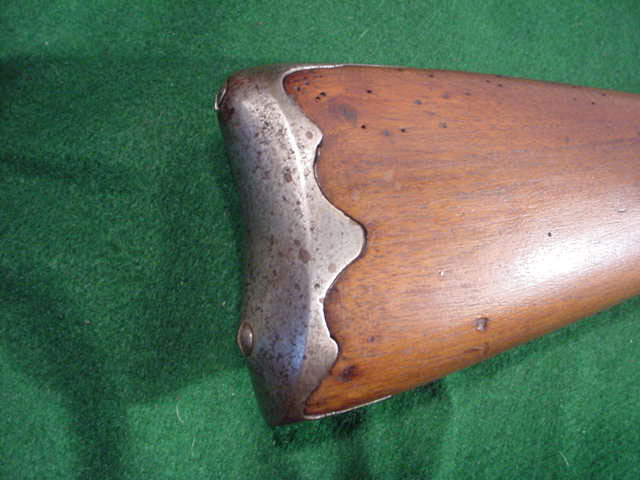
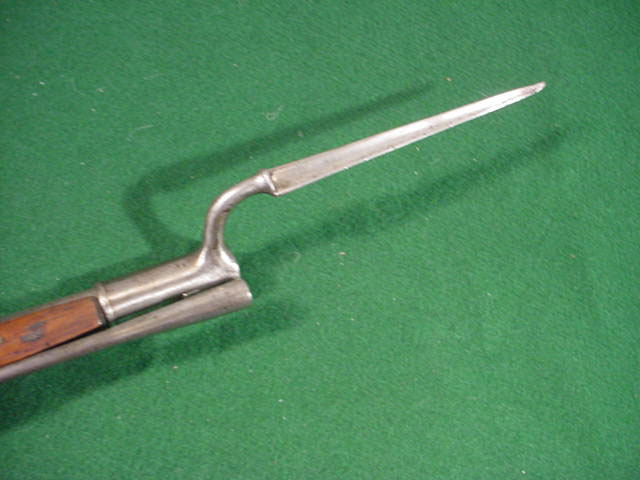
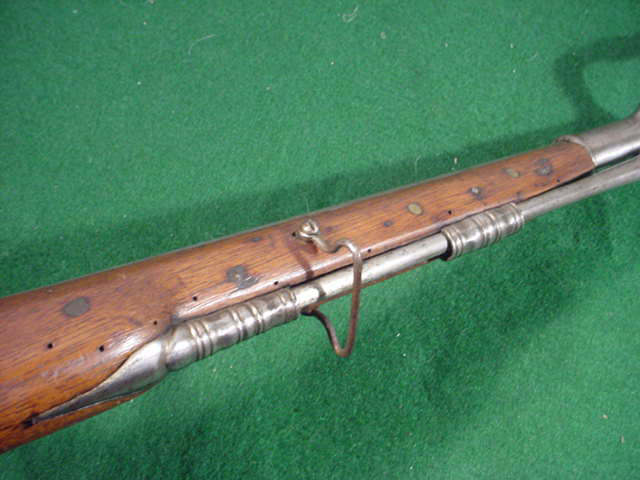
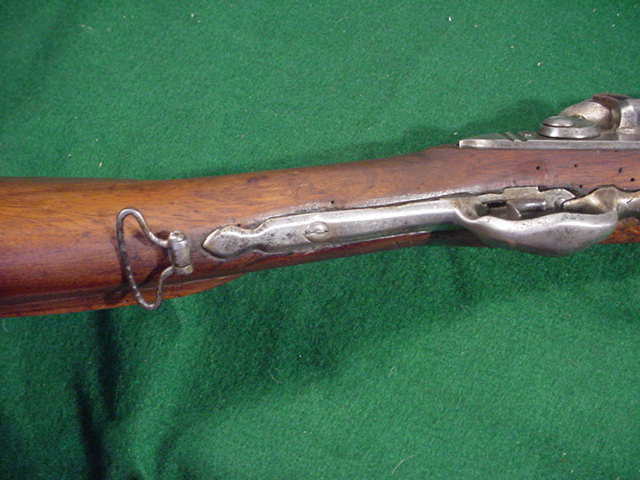
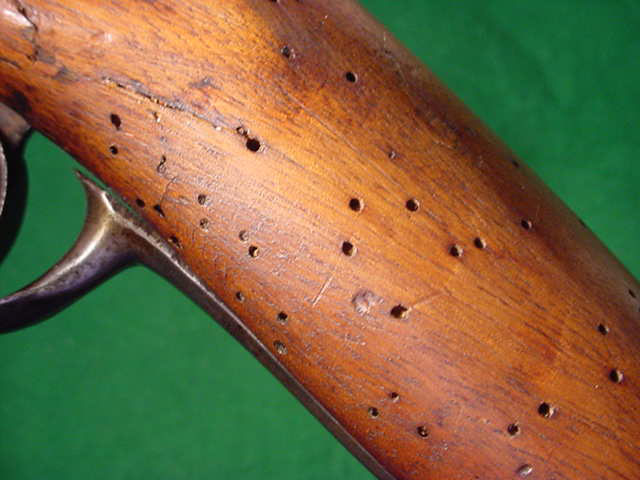
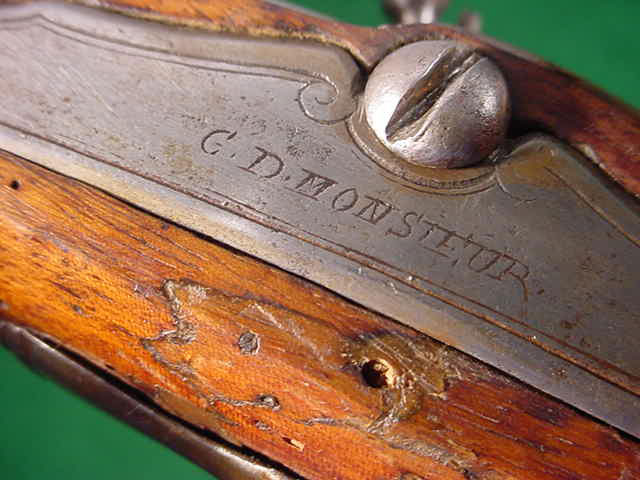
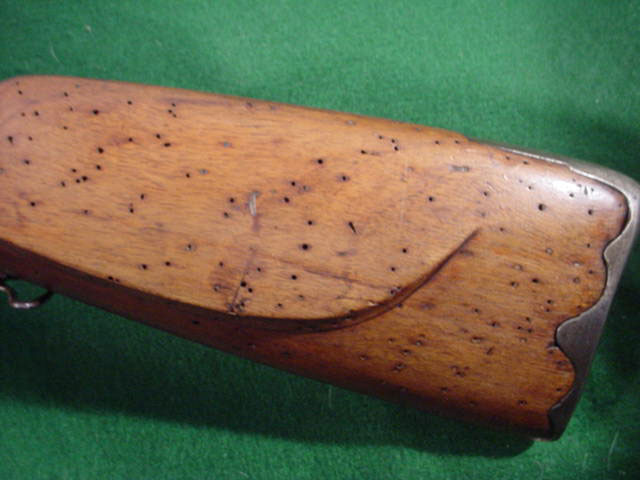
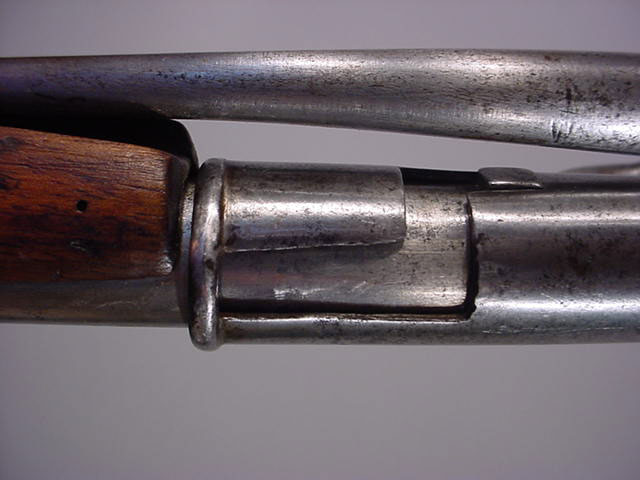
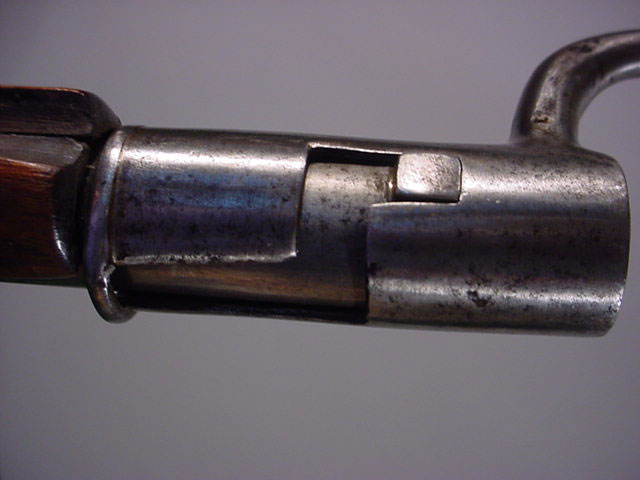
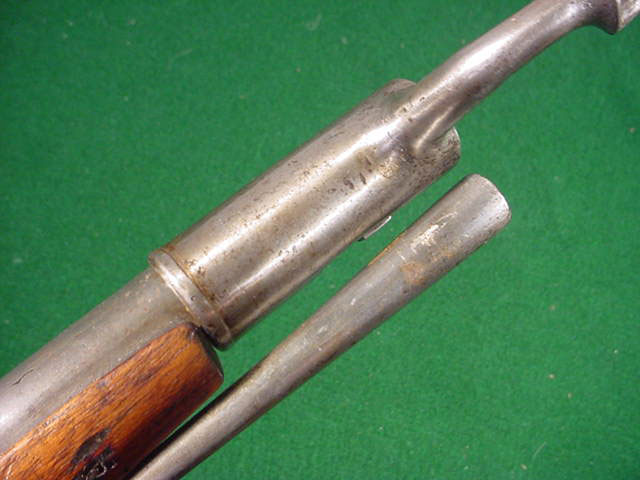
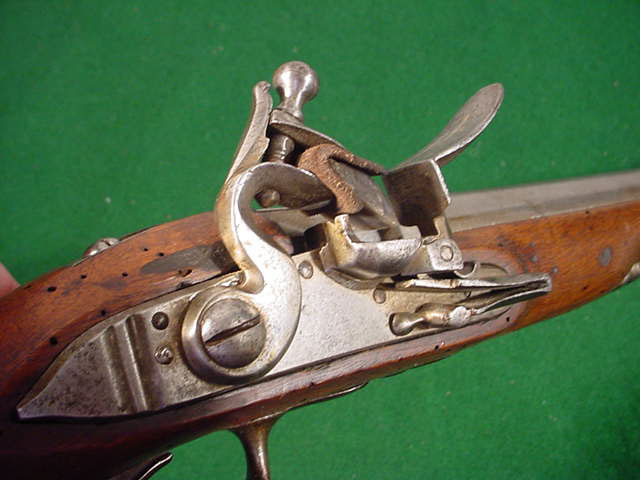
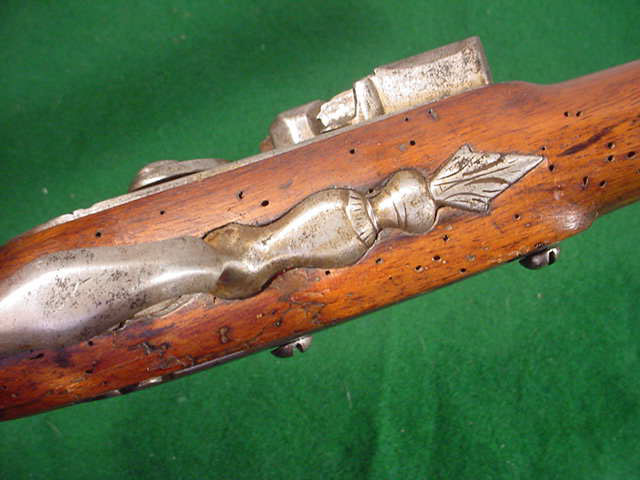
| DESCRIPTION: This is an incredible firearm. A scaled down version of a full military piece of the early 19th century. This was probably made to special order for the child of a wealthy family or Landed Gentry of France or possibly even royalty. The lock plate on the left side of the musket is signed C.D. Monsieur no other marks appear on it. This is not a toy. It is an actual firing musket fully capable. And this convinces us even more that it was crafted by a superior gunsmith for someone of importance. During the time of the Emperor Napoleon military prowess and martial bearing were part of the regimen of young men from the time of early childhood. In the ranks of Napoleon’s soldiers were officers that were particularly proud of their male offspring and had a great desire to turn the young men into professional soldiers and hopefully an officer. It would only be natural that a “Papa” like this might also purchase such a miniature weapon that would actually function to train the young son with, to say nothing of the fact the child would also in all probability have a uniform befitting the fathers pride in his regiment. How great would be the pride of this officer of the “Grande Armee” to show off his little officer at the celebrations that followed up with grand reviews. This petite musket is in overall great condition except for many old worm holes mainly in the butt and forearm. The lock is original and not ever converted. It functions perfectly; all the iron parts are in beautiful condition. The ramrod is original and the most spectacular thing about the weapon is that it still has its original bayonet. This is amazing! One would have thought that gun and bayonet would have surely parted company somewhere in a couple of hundred years. So collectors here is a prodigiously historically important piece of Napoleonic History that is many times as rare as a full sized musket of the same era. The musket itself is 27 ½ inches long. The bayonet is 8 ½ inches in length. The worm holes come at no extra cost. Believe me they do not detract in the least! Many collectors will be thrilled to see them. This is a firearms “gem” fit to be put as a center spread in the NRA Magazine at least..
PRICE: SOLD |
|
|||||||||||||
|
Magnificent Bronze of Saint George and the Dragon (Item FRAN 3-12; KSTATUES 5-1) |
|||||||||||||
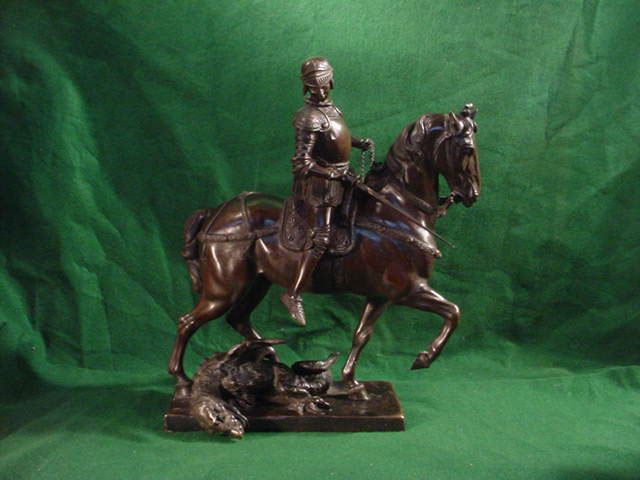
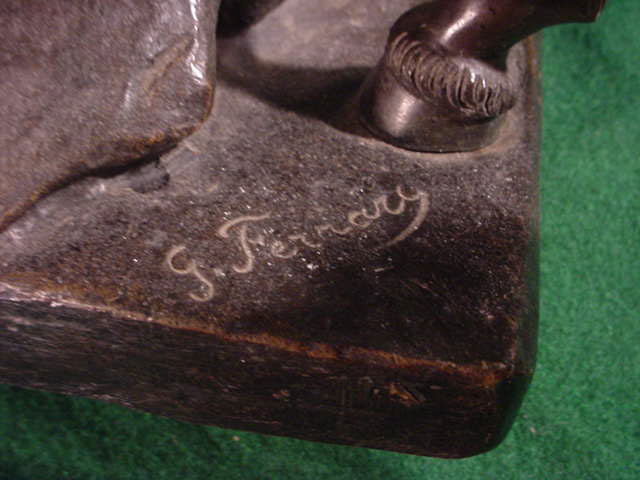
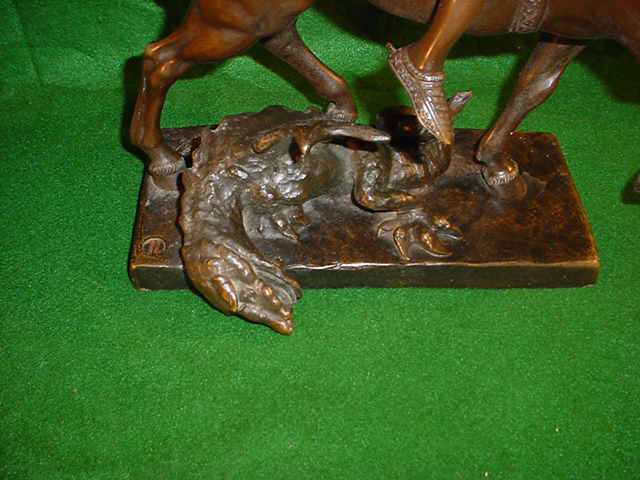
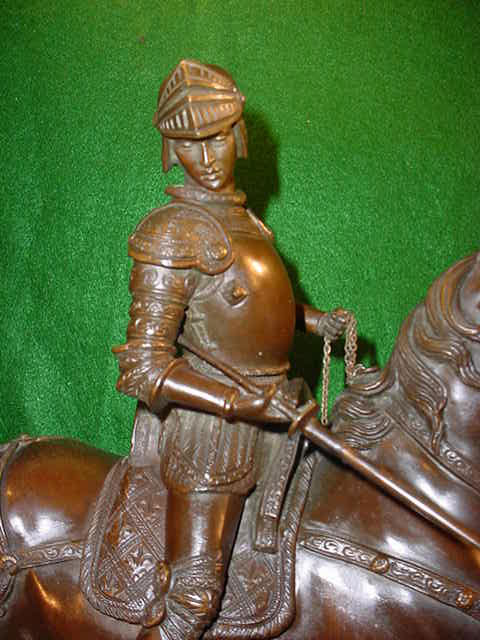
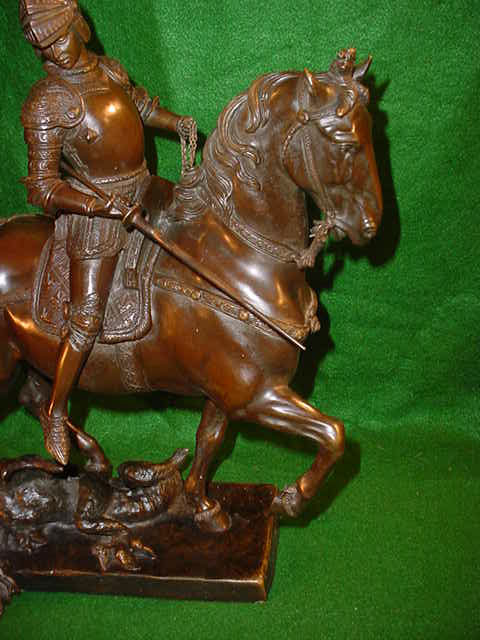
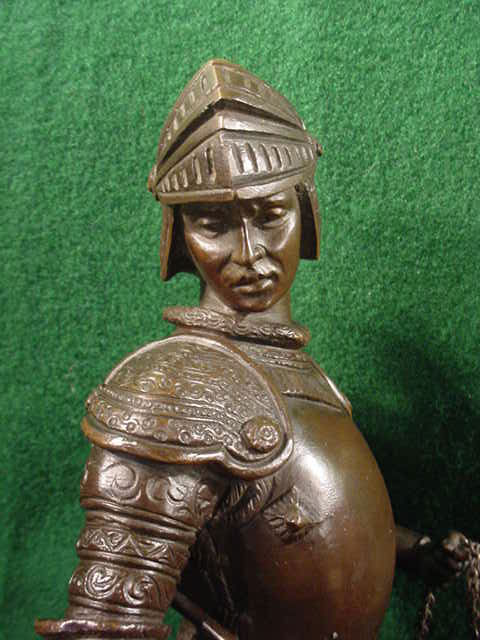
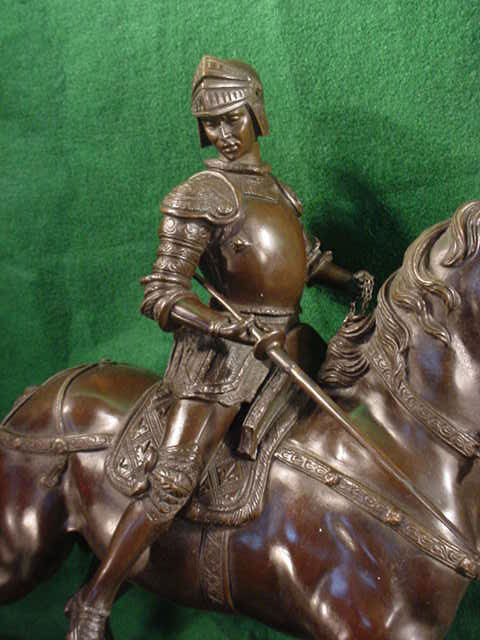
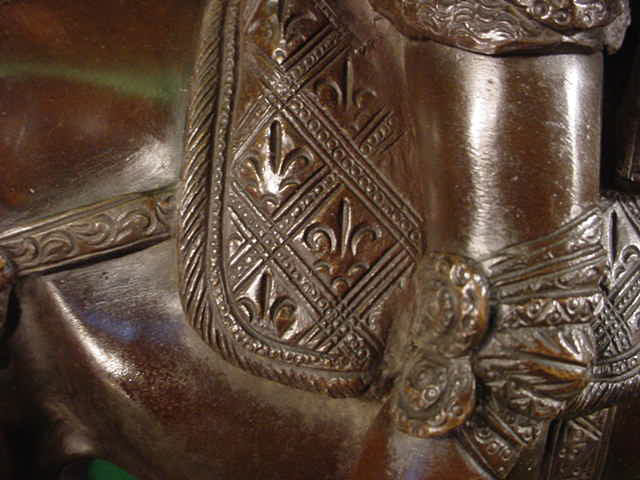
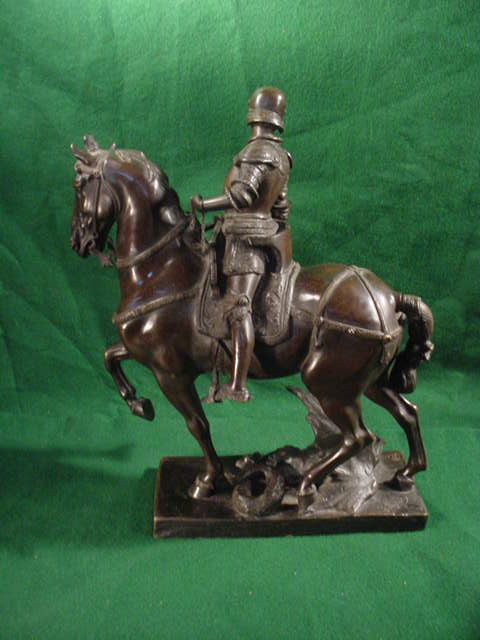
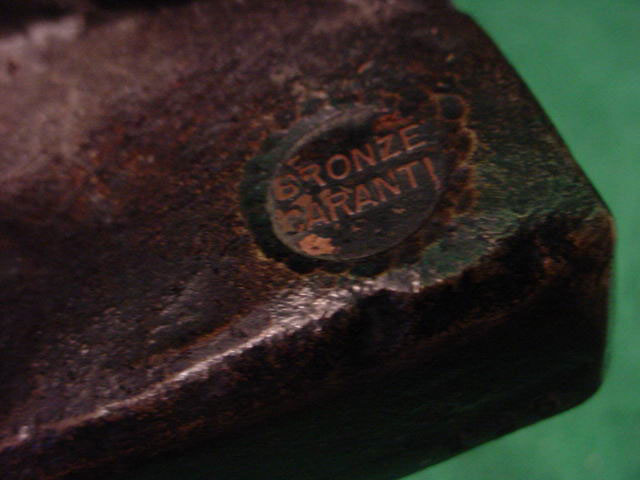
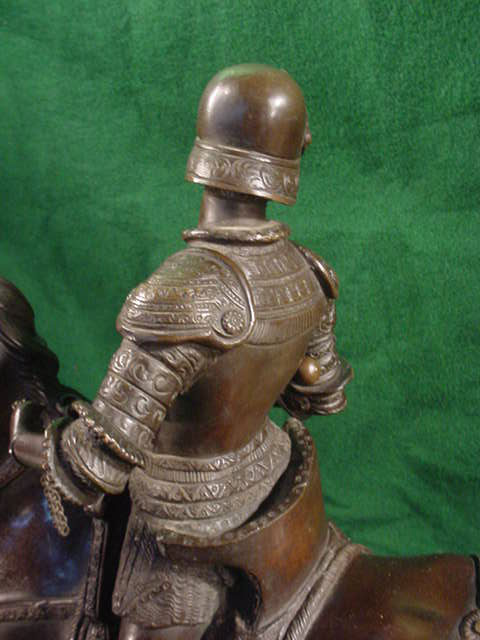
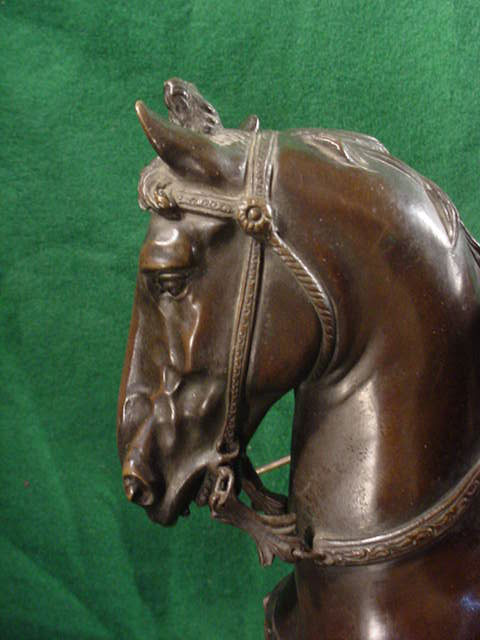
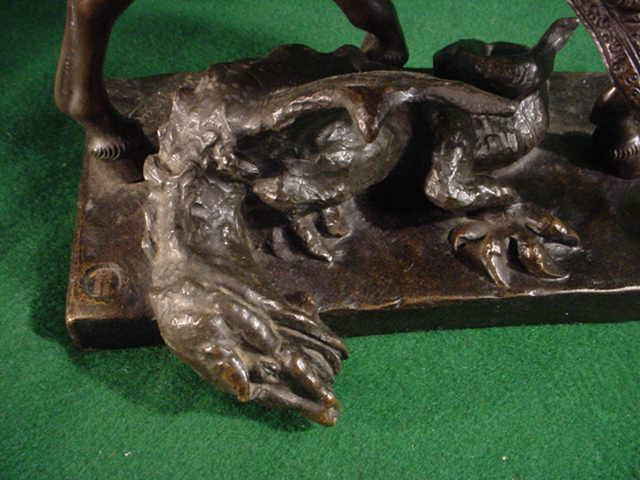
| DESCRIPTION: This is one of the finer bronze sculptures that we have ever beheld. It is surely Madison Ave gallery grade. It depicts the beloved warrior Saint George on his steed riding off after slaying the fierce dragon. This saint was depicted in the coats of arms and crests of both Imperial Russia and England. He represents all the good and noble against the forces of darkness. The knight depicted is a bit unusual in that he has already killed the evil serpent. Usually he is depicted as he actually enters into mortal combat with the creature. The detail is exquisite. The artists name signed to it is G. Ferrari. I was able to find an Italian artist in Gormans bronze book volumes by the name of Carlos Ferrari but it is possible that G Ferrari could be of the same family. This was often the case in France and Italy where the entire family would be involved in the same or similar artistic creations. The sculpture is 16 ½ inches high with a base that is 11x 5. the horse from tail to snout is 14 inches long. This is one of the best equestrian figures we have ever had the pleasure of offering at Germania.
PRICE: SOLD |
Page Three |
Please refer to item designator in parentheses in all correspondence.
Please E-mail for any additional information you may need.